EN




Why Laminate Flooring Laminating Machine Improves Floor Durability
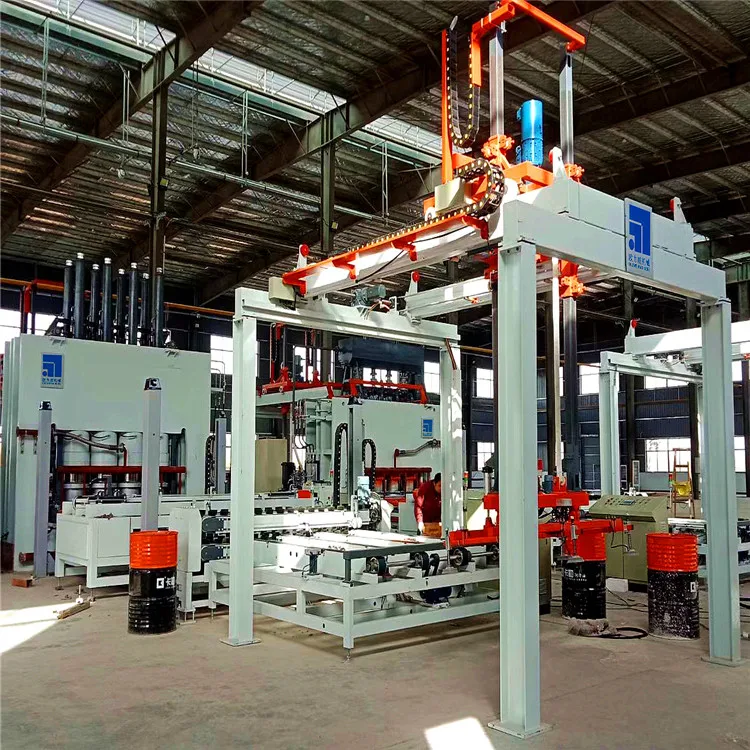
A durable laminate floor is not created when a decorative sheet first looks smooth. It is created when the decorative layer, overlay, adhesive system, and board core leave the press as one consistently consolidated panel. That is why a laminate flooring laminating machine matters so much: it turns a stack of sensitive materials into a surface that can better resist everyday wear, localized impact, moisture exposure at the surface, and the stresses of machining and installation.
From a surface-defect analyst’s viewpoint, the useful question is not whether a press can apply force. It is whether the laminate flooring laminating machine applies the intended heat and pressure uniformly, for the intended time, to boards that are ready for lamination. A panel can look acceptable immediately after pressing and still reveal weak bonding, telegraphed texture, blistering, or edge-related problems later. Process consistency is therefore a durability control, not merely a productivity concern.
Durability begins with full, even consolidation
Laminate flooring commonly relies on layers with different jobs: a decorative paper carries the visual design, an overlay helps protect the surface, and a board substrate provides the structural base. During pressing, resin must flow and cure in a controlled way while the decorative system conforms to the panel. A well-configured laminate flooring laminating machine helps keep this event repeatable across the full board area.
If pressure is uneven, one zone may consolidate differently from another. In practice, that can show up as inconsistent surface appearance, weak adhesion, localized texture variation, or a panel that reacts differently after cutting. Uniform platen contact and stable closing behavior do not guarantee a particular floor classification, but they reduce a common source of process variation that undermines durable surface construction.
How heat, pressure, and dwell time work together
Press settings are often discussed as independent dials, but they interact. Temperature influences resin flow and cure; pressure supports contact between layers and substrate; dwell time gives the system time to reach the intended consolidation state. A laminate flooring laminating machine must manage these conditions as a coordinated press cycle rather than as a single maximum-pressure event.
- Controlled temperature supports predictable resin response without relying on excess heat to compensate for poor preparation.
- Even pressure distribution helps the overlay and decorative layer contact the substrate consistently.
- Repeatable dwell time reduces the temptation to change cycle length from board to board when production conditions drift.
- Orderly closing and opening can help prevent disturbances to a carefully placed paper stack before cure is complete.
In day-to-day production, faster is only better when it remains controlled. A laminate flooring laminating machine with a stable cycle makes it easier to investigate a quality deviation because operators can compare like with like. When settings, panel preparation, and press behavior all change at once, root-cause work becomes much harder.
Why hydraulic control supports bond consistency
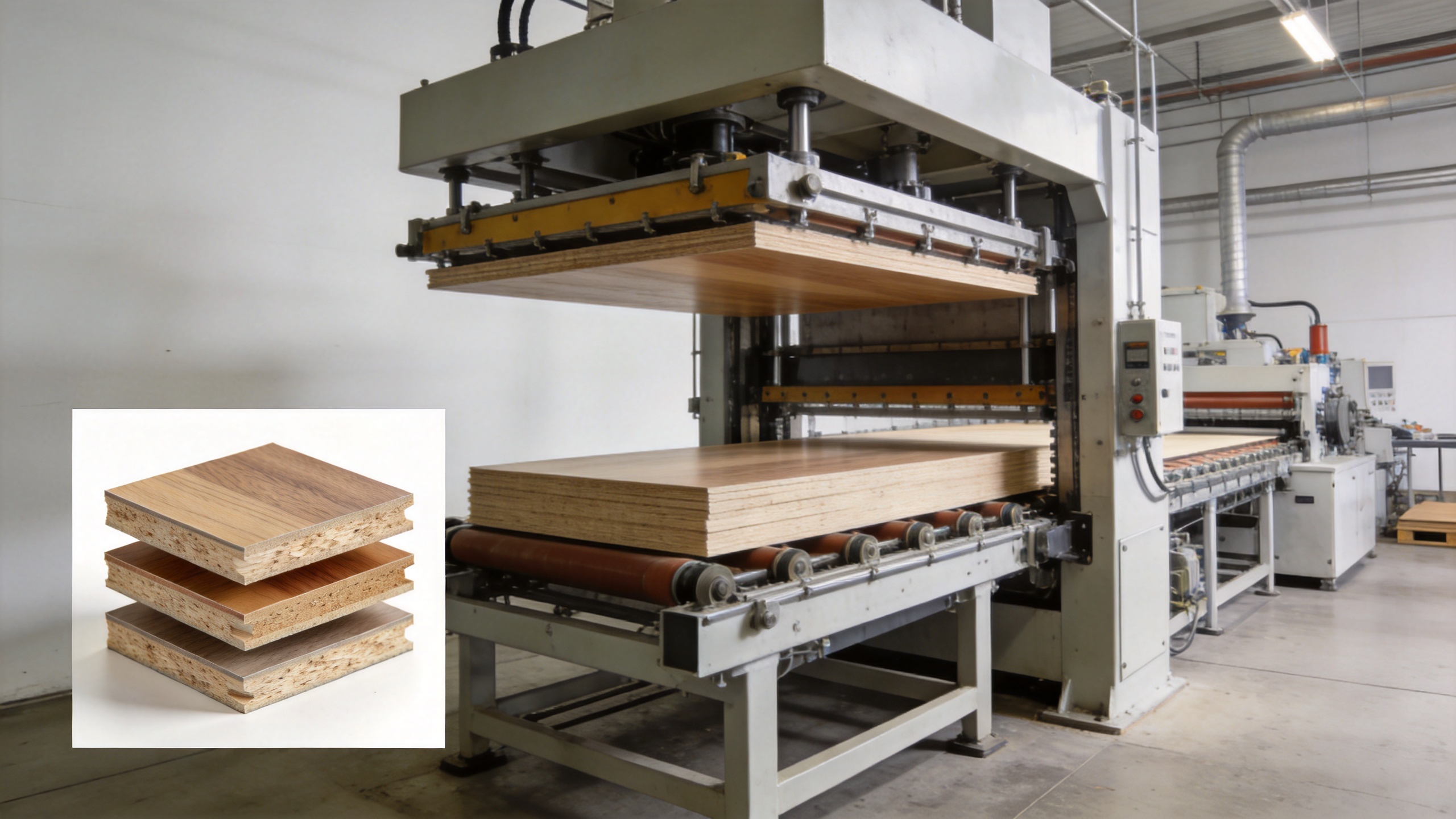
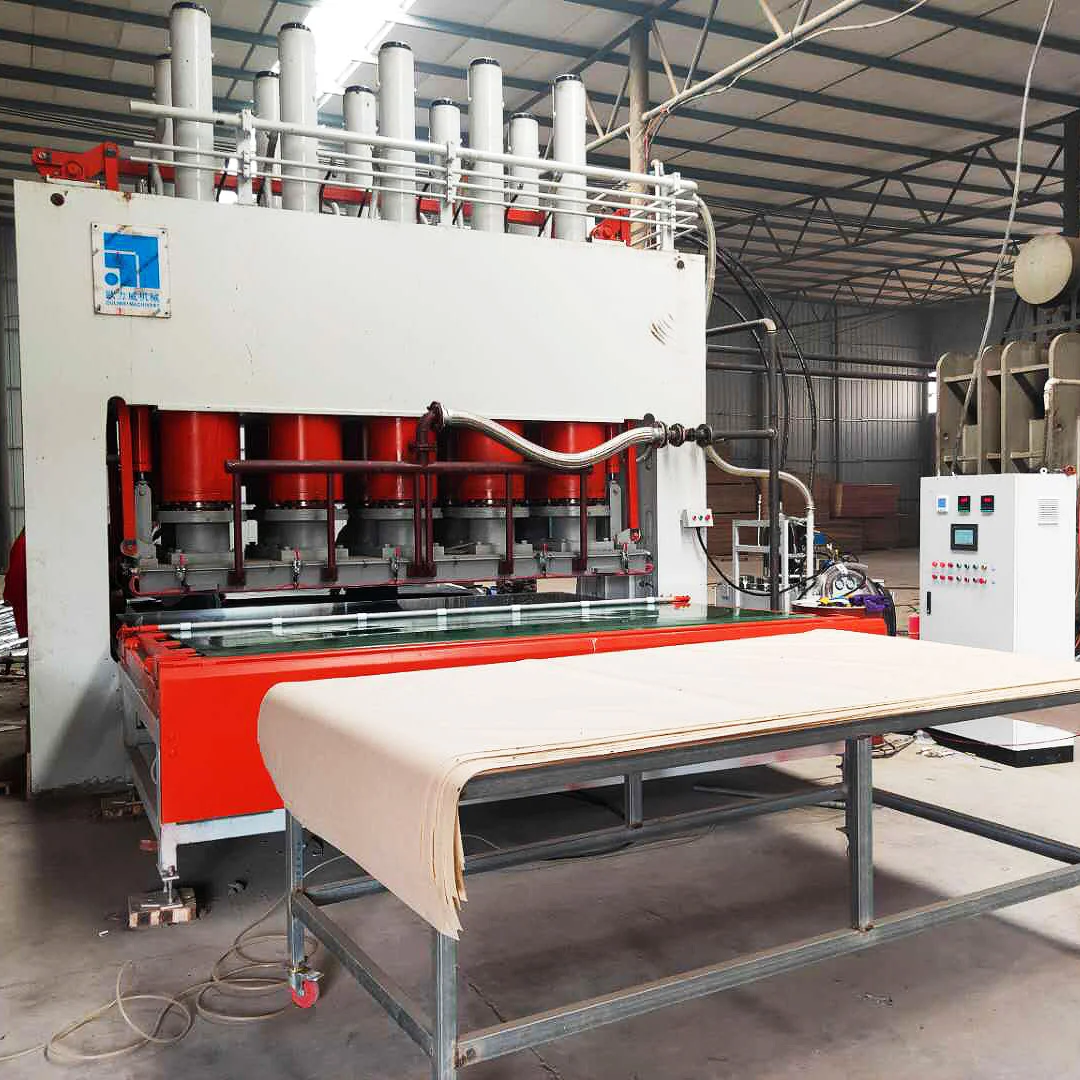
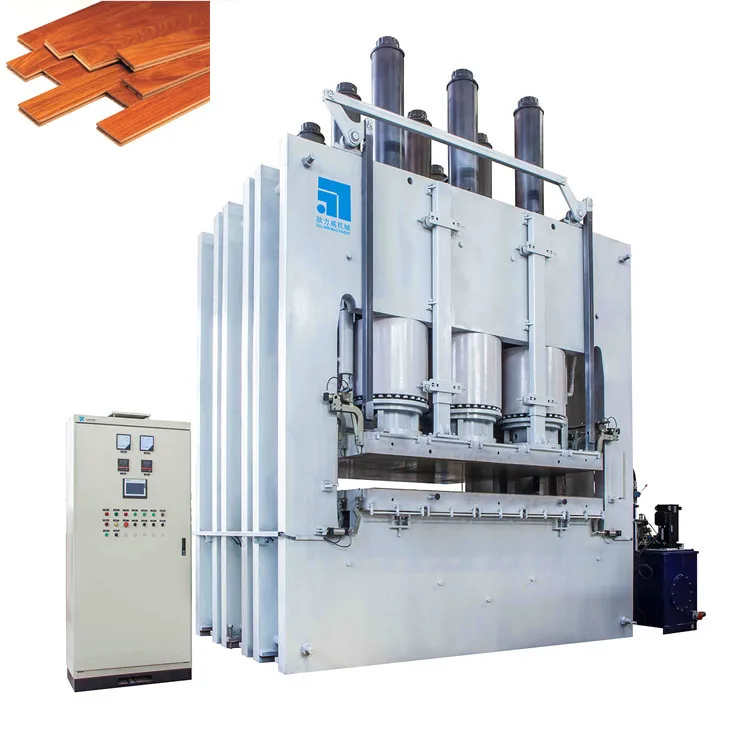
A hydraulic wood laminating press is often selected for its ability to develop and maintain pressing force through a programmed cycle. In flooring lamination, that capability is valuable when it is paired with sound platen condition, suitable tooling, accurate temperature control, and a verified recipe. Hydraulic force alone cannot correct damaged paper, an unsuitable substrate, or an incorrect resin system. What it can do is give the production team a controllable and repeatable way to apply the pressure part of the process.
For this reason, buyers evaluating a hydraulic wood laminating press should ask how pressure is monitored, how the press closes under load, how temperature and timing are coordinated, and how operators record deviations. These questions are more useful than a headline force figure alone. The right laminate flooring laminating machine is the machine that helps a factory hold its validated process window across normal production, not just during a demonstration cycle.
Platen condition affects the surface you see and the durability you do not
Platen flatness, cleanliness, and surface condition deserve attention because the press is the final contact surface during consolidation. Debris, damage, or uneven thermal behavior may transfer a visible mark or create a localized process difference. On textured flooring, tooling and release materials also need disciplined handling so the intended texture is reproduced without introducing unwanted imprinting or incomplete contact.
Routine checks are therefore part of getting value from a laminate flooring laminating machine. A practical checklist can include platen inspection, temperature verification, pressure-system checks, alignment review, and a review of rejected-panel patterns. Instead of waiting for a large batch to fail, quality teams can trend small warning signs such as repeat marks, recurring edge defects, or changes in gloss and texture.
Substrate preparation is part of the press decision
The press cannot turn an unstable board into a stable floor panel. Board thickness variation, surface contamination, moisture imbalance, or poor storage conditions can affect contact and cure behavior. A practical approach is to define a handoff standard between board preparation and lamination. That standard should identify what operators check before panels enter the laminate flooring laminating machine, what conditions trigger a hold, and how a suspect lot is traced.
This is especially important for producers serving different climates and end-use markets. Surface durability depends on a system of materials and manufacturing controls, rather than one isolated machine setting. A press supplier can help clarify equipment capability, but the finished floor’s performance still depends on the validated panel design, material specifications, and the manufacturer’s quality plan.
Use standards as a verification framework
Recognized references give durability discussions a useful structure. EN 13329 addresses characteristics, requirements, and test methods for laminate floor coverings with surface layers based on aminoplastic resins. ISO 4586 also describes high-pressure decorative laminate durability characteristics, including resistance to wear, scratching, impact, moisture, heat, and staining in applicable laminate constructions. These references do not certify a machine or a panel by themselves. They help manufacturers connect press-process control with the tests and product requirements that matter for their market.
When developing or improving a flooring line, the team can work backward from the intended product tests: define the panel construction, validate the process recipe, document operating limits, then use production samples for verification. In that workflow, the laminate flooring laminating machine becomes a controlled manufacturing asset rather than a standalone piece of equipment.
What to review before investing
For Wuxi Ouliwei customers producing melamine-faced panels for furniture, flooring, wall panels, cabinets, and customized interior applications, a focused evaluation is more useful than a generic equipment comparison. Review platen dimensions against the board format, the consistency of heating and pressure control, the cycle-recording method, maintenance access, available commissioning support, and the ability to align the machine with the factory’s material and quality-control process.
- Map the current defects and identify whether they relate to contact, heat, pressure, timing, or substrate preparation.
- Define the required board format, decorative system, texture, and production rhythm before discussing a press configuration.
- Ask for a process-validation plan that includes sample inspection and records, not only throughput estimates.
- Train operators to recognize deviations early and to preserve traceability when a setting changes.
A controlled process, not a single setting
A laminate flooring laminating machine improves floor durability because it gives the lamination process the consistency needed to form a reliable surface bond. The machine is most valuable when it supports a stable relationship among heat, pressure, time, platen condition, and prepared substrate. Pair that control with material validation and product testing, and the factory has a stronger basis for producing laminate flooring that remains visually and functionally dependable through its intended use.
 Hot News