EN




How Flooring Woodworking Laminating Machine Standardizes Floor Production
In laminate-floor production, a panel can look acceptable at the press exit and still create sorting, trimming, or customer-claim pressure later in the shift. A flooring woodworking laminating machine helps standardize the operation by turning a sequence of material handling and hot-pressing decisions into a repeatable process. The machine matters, but so do the routines around it: board conditioning, paper alignment, platen temperature, pressure build-up, dwell time, cooling, and inspection.
Speaking from an operator’s perspective, the useful question is not simply, “How much tonnage does the press have?” It is whether the flooring woodworking laminating machine can reproduce the same controlled conditions panel after panel. A high headline load can be useful, but pressure distribution and stable heat across the working area usually tell more about whether a decorative surface will look consistent.
First, Separate Flooring Lamination from General-Purpose Lamination
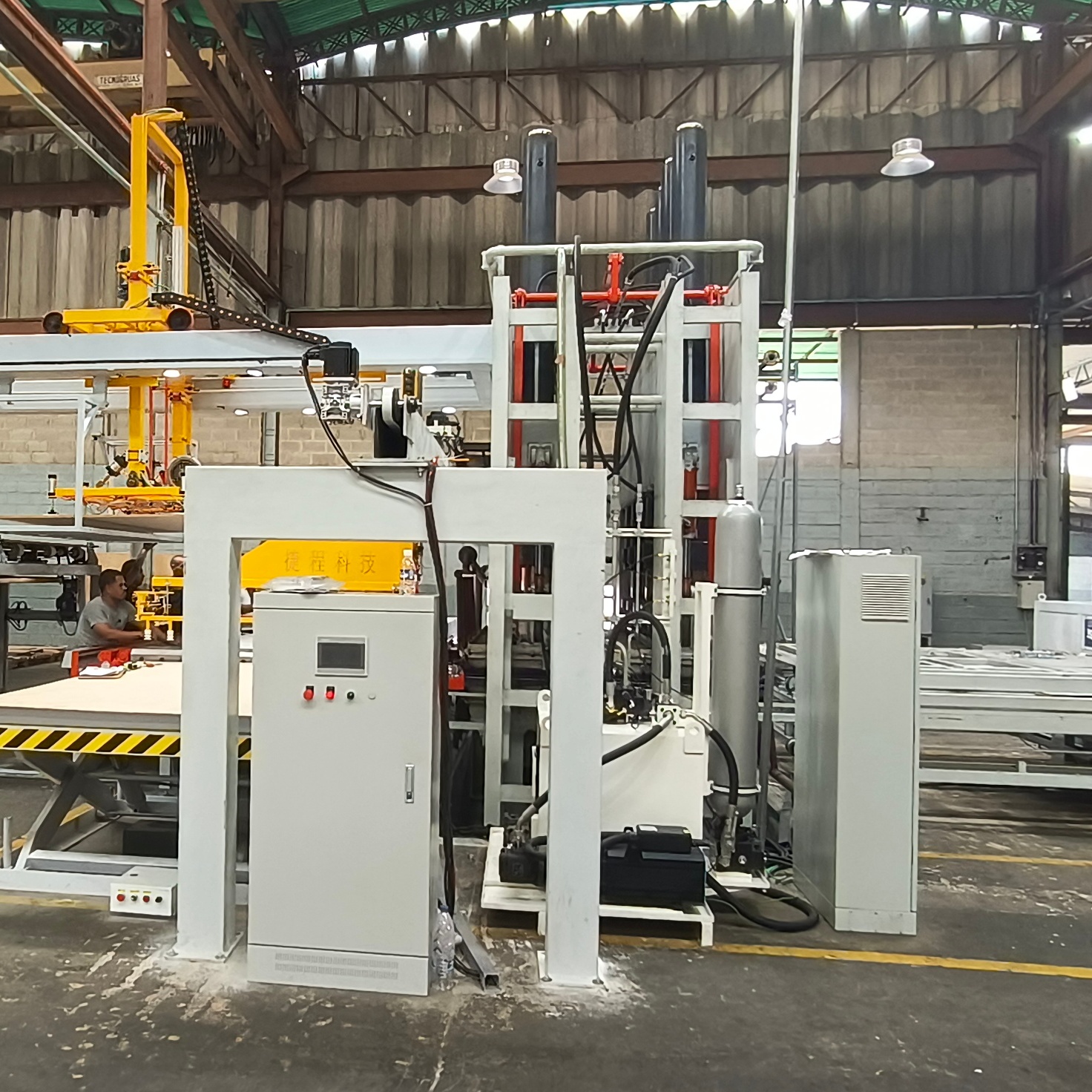
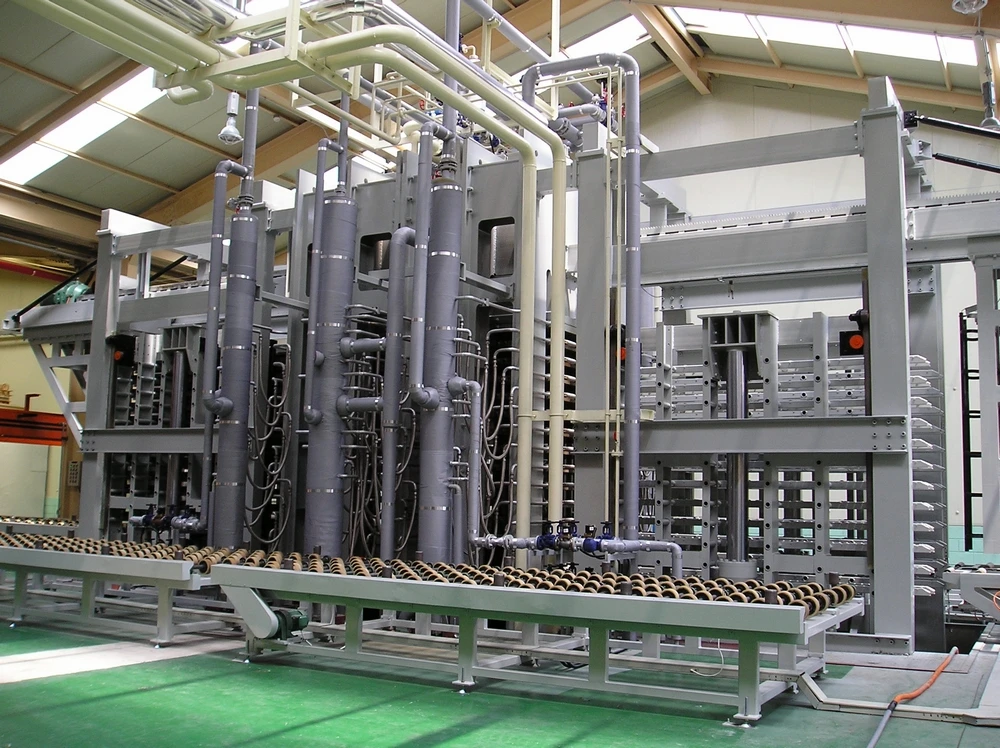
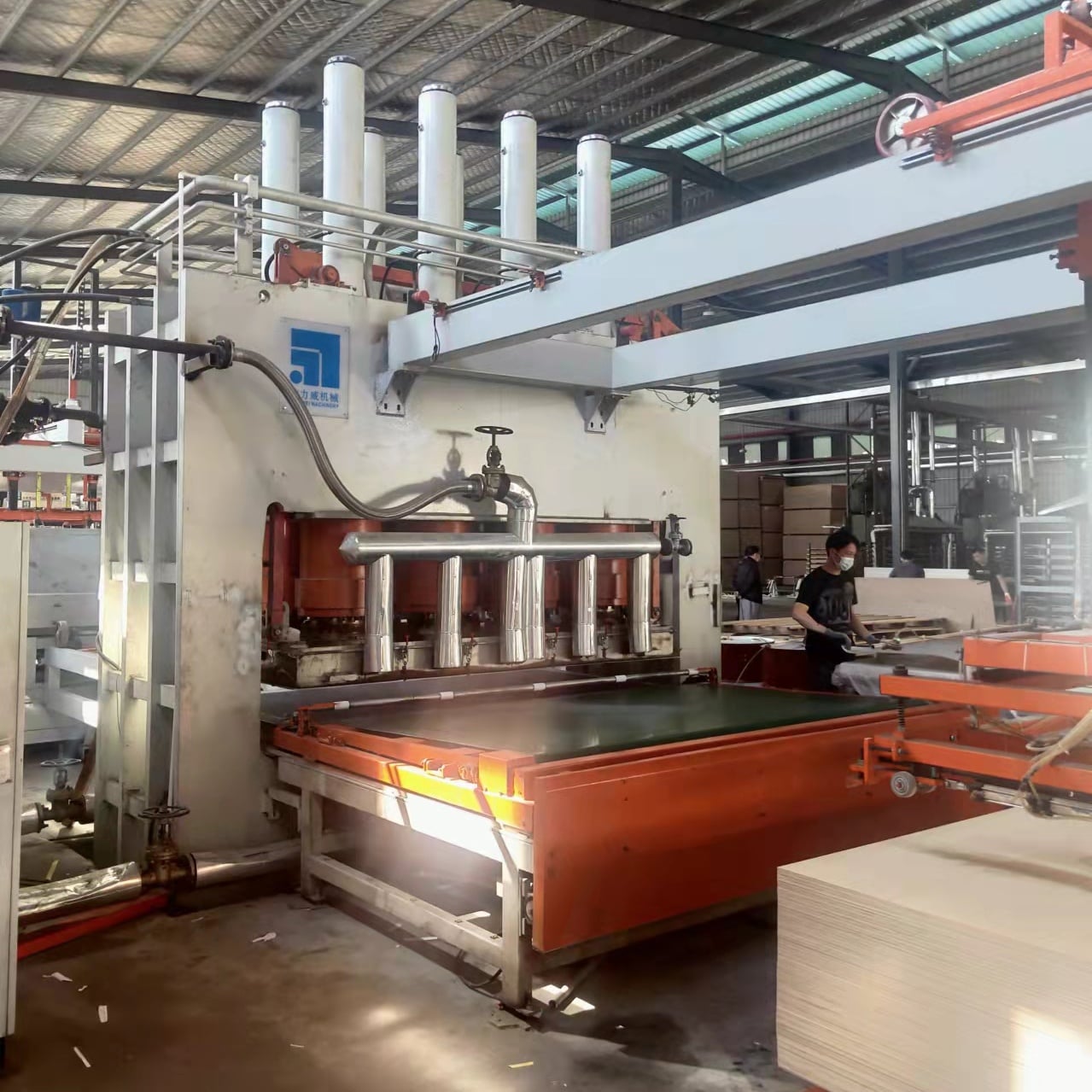
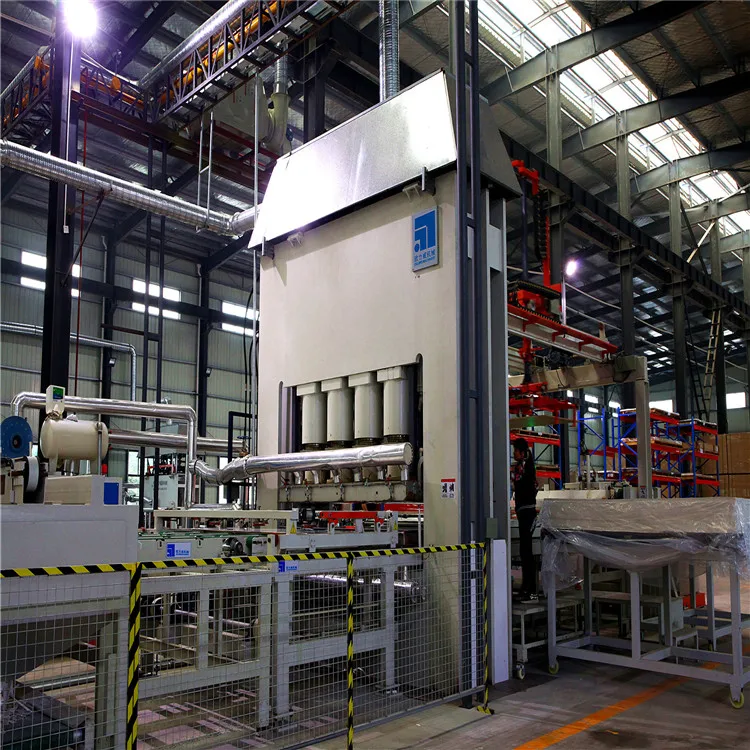
The search term flooring woodworking laminating machine can bring up office laminators, protective-film equipment, and roller systems. Those serve different processes. For laminate flooring, the relevant production system typically brings a board substrate together with resin-impregnated decorative and overlay papers, then applies controlled heat and pressure to form the surface construction. A density board woodworking hot press may be part of this line when the substrate is a high-density fiberboard or another engineered board grade.
This distinction is operationally important. A flooring line is not judged only by whether it bonds layers. It must support repeated visual quality, reliable surface texture transfer, stable panel geometry, and a process record that allows the team to trace a defect back to material or machine conditions.
How the Production Sequence Creates Repeatability
Standardization starts before the press closes. The following sequence gives production teams a practical way to think about a flooring woodworking laminating machine as part of a controlled system rather than as an isolated press.
- Prepare and verify the board substrate. Check board thickness, surface cleanliness, moisture condition, and flatness against the factory’s approved incoming criteria. Variation here can show up later as uneven contact or inconsistent appearance.
- Condition and align the paper layers. Decorative and overlay papers need clean storage, correct identification, and repeatable registration. Small alignment errors can become an obvious edge, pattern, or trimming problem after pressing.
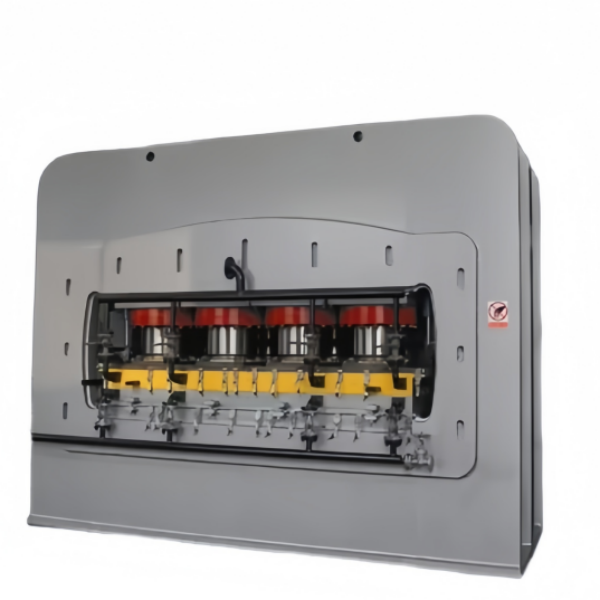
- Apply the programmed press cycle. A density board woodworking hot press uses its temperature, pressure, and time controls to set the resin and consolidate the construction. The setpoint alone is not the full story; the real control point is whether actual conditions stay close to the validated recipe across the platen and across cycles.
- Cool, handle, and inspect consistently. Move finished boards through cooling and staging in a controlled way. Rapid or uneven downstream handling can confuse root-cause analysis when a panel later shows distortion or surface marks.
Published descriptions of direct-pressure laminate construction show why this sequence is sensitive: layers are fused in one press operation at elevated heat. One example describes press temperatures above 300°F, while another describes a construction example with temperatures reaching 400°F, pressure up to 600 psi, and a 20–30 second cycle. These are context points, not a universal recipe. The right window depends on the resin system, paper weight, board, surface finish, and line design.
The Controls That Matter Most on a Flooring Woodworking Laminating Machine
Temperature uniformity, not only temperature setpoint
Operators may see a correct temperature on the display while edge-to-center behavior tells a different story. Uneven platen temperature can contribute to variable resin setting or surface appearance. Record actual temperature checks at defined intervals, compare zones where the system allows it, and investigate drift rather than compensating informally with a longer cycle.
Pressure distribution and closing behavior
A flooring woodworking laminating machine needs stable, repeatable pressure transfer across the panel. More force does not automatically create a better surface. If the board stack, paper placement, platen condition, or hydraulic response is inconsistent, extra load may hide one symptom while increasing another. The production standard should therefore include a verified pressure profile, not just a nominal tonnage value.
Cycle time as a controlled result
Faster output is attractive, yet a shorter cycle is only useful when the intended surface and bond quality remain within the factory’s acceptance criteria. In practice, a team should validate changes through trial panels, retained samples, visual inspection, and the relevant finished-product tests. For markets where it applies, EN 13329:2023 is an example of a standard that defines characteristics, requirements, and test methods for laminate floor coverings; it reinforces why repeatable production controls matter.
Paper registration and platen condition
Paper alignment is easy to underestimate because the error begins before pressing. Guides, sensors, operator loading practice, and clean transfer surfaces need a shared check routine. Likewise, inspect platen surfaces for scratches, contamination, and wear. A press cannot standardize a floor design if the contact surface itself is introducing variation.
Build a Standard Work Routine Around the Hot Press
A density board woodworking hot press becomes easier to manage when the line uses a short, documented routine instead of relying on individual memory. The checklist should reflect the factory’s own validated process, but these categories are broadly useful:
| Control point | What to standardize | Why it matters |
|---|---|---|
| Board release | Board ID, thickness range, surface condition, and conditioning status | Creates a known starting condition for each press load. |
| Paper loading | Paper code, orientation, alignment check, and storage condition | Reduces pattern mismatch and handling-related defects. |
| Press recipe | Approved temperature, pressure, and dwell-time program with change authorization | Prevents unrecorded adjustments from becoming the default process. |
| Machine condition | Platen inspection, hydraulic trend review, and sensor verification schedule | Finds gradual equipment drift before it becomes broad output variation. |
| Exit inspection | Defined visual, dimensional, and traceability checks | Connects production observations to a specific batch and cycle. |
The value of this routine is not paperwork for its own sake. It gives the shift a common reference point. If a surface defect rises after a changeover, the team can compare the board condition, paper lot, program, platen condition, and cooling flow instead of changing several variables at once.
Using Defects as Process Signals
Repeatable floor production improves when defects are treated as signals. A recurring mark may point to platen condition or contamination. A pattern-shift issue can lead back to paper handling or alignment. A visual difference between shifts may indicate that one operator is compensating for a material or machine variation that should be addressed upstream. The goal is not to assign blame; it is to preserve a stable process window.
For maintenance planning, trend data matters. Record actual cycle time, hydraulic oil temperature, temperature verification results, rejects by defect category, and the corrective action used. Over time, this record helps distinguish a material-lot event from a gradual machine-control issue. It also makes commissioning and future capacity changes easier to evaluate with evidence rather than assumptions.
What to Confirm When Selecting or Upgrading Equipment
When assessing a flooring woodworking laminating machine, start with the floor construction and target output, then verify whether the machine configuration supports the intended process. Ask for clarity on platen working size, heating method, temperature-control approach, pressure-control behavior, loading and unloading flow, safety interlocks, maintenance access, and the support needed for commissioning. A supplier that specializes in short-cycle lamination equipment can discuss those questions in relation to the production line, but the final configuration should still be matched to the buyer’s board format, paper system, output plan, utilities, and operator capability.
It is also worth testing the handoff between the press and the surrounding equipment. A capable hot press cannot compensate indefinitely for unstable paper preparation, unclear board acceptance, or unstructured cooling. Standardization comes from the line working as a system.
Conclusion
A flooring woodworking laminating machine standardizes floor production when it supports repeatable conditions from prepared board to inspected panel. Treat temperature, pressure, time, registration, platen condition, and downstream handling as linked controls. Then document the verified recipe, inspect the process at defined points, and use defect trends to refine the line. That approach gives a density board woodworking hot press a clear role: not merely applying force and heat, but helping the factory reproduce the surface quality its flooring program requires.
 Hot News