
 EN




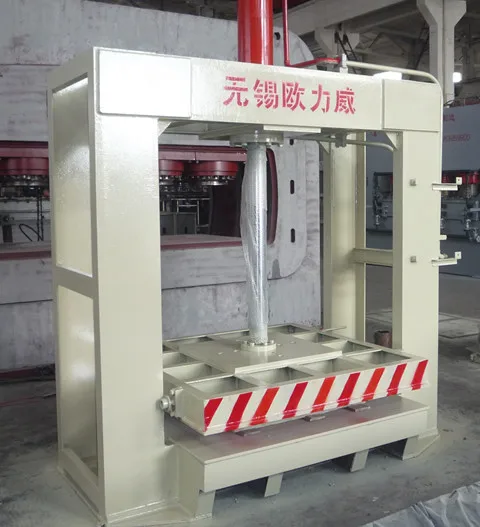
Hydraulic cold press machine used for pressing furniture panel, wood door, other kinds of panel and furniture leveling, shaping, can make the sheets adhesion more firm, strpmg amd no back pressure. This industrial hydraulic cold pressing equipment represents an indispensable manufacturing solution designed specifically for modern woodworking facilities, high-volume furniture production lines, architectural millwork shops, and specialized panel fabrication plants. Engineered to execute precise, uniform mechanical compression on multi-layer laminates, solid wood doors, decorative boards, veneered panels, and various composite assemblies, this advanced machine ensures that adhesives cure evenly and thoroughly across the entire surface area. By applying steady, balanced tonnage without introducing thermal distortion, the hydraulic cold press secures permanent, high-strength bonding while effectively preventing common structural defects such as panel warping, surface bubbling, edge delamination, or undesirable back pressure release during the curing phase.
The foundational operational purpose of a professional hydraulic cold press centers on delivering reliable, consistent, and controllable pressure across large-format panels immediately after glue application. In modern furniture manufacturing and interior door production, achieving proper initial bonding is a critical prerequisite before panels undergo subsequent high-speed machining, precision edge banding, sanding, or CNC routing operations. The heavy-duty hydraulic cylinders and robust pressing plates integrated into this system generate smooth, controllable force that forces trapped air pockets and excess moisture out from between substrate layers and adhesive films. This tight mechanical contact guarantees that core materials, MDF substrates, and surface decorative veneers achieve maximum molecular adhesion, resulting in exceptionally flat, structurally sound panels that easily withstand rigorous daily use and long-term environmental stress.
A standout technical advantage of this machinery is its specialized capability to eliminate undesirable back pressure and spring-back phenomena during and after the pressing cycle. In conventional or poorly engineered presses, uneven pressure distribution can cause boards to warp, twist, or push back against the platens once the primary hydraulic pressure is released. This advanced cold press utilizes a structurally rigid upper platen and a heavy-duty lower working bed supported by synchronized mechanical linkages, precision guide pillars, and multi-cylinder hydraulic circuits. This sophisticated engineering design ensures absolute parallelism between the pressing surfaces, maintaining uniform pressure distribution across every square centimeter of the board and ensuring that panels remain perfectly flat, stable, and true to shape upon completion.
Versatility is another defining attribute of the hydraulic cold press machine, making it adaptable to a wide array of production requirements. Beyond standard wood doors and flat residential furniture panels, the press is widely utilized for leveling, pressing, and shaping various composite panels, laminated sandwich boards, acoustic wall panels, and modular cabinet components. Whether a manufacturing facility is producing high-end residential cabinetry, commercial office furniture, architectural wall panels, or specialized acoustic solutions, the machine accommodates varying thicknesses, lengths, and dimensions with effortless ease. Factory operators can easily adjust the pressing duration, hydraulic pressure settings, and dwell times to match specific adhesive curing requirements, ensuring optimal bonding results across different glue types, including polyvinyl acetate (PVA), cross-linked emulsions, and urea-formaldehyde resins.
The structural framework of the industrial hydraulic cold press is meticulously engineered to endure the intense mechanical stresses of continuous, multi-shift industrial operation. Fabricated from thick, high-tensile structural steel plates and subjected to precision machining and stress-relieving heat treatments, the machine frame resists all forms of deflection under maximum working loads. This structural rigidity protects the internal hydraulic seals, high-pressure pumps, control valves, and electrical components, ensuring long-term operational reliability and minimal maintenance downtime. Furthermore, precision-ground and chrome-plated hydraulic piston rods resist corrosion, scratching, and wear, providing smooth, reliable vertical movement shift after shift across demanding production environments.
User safety, operational convenience, and workflow efficiency are fully integrated into the intuitive control architecture of the machine. Equipped with a user-friendly electrical control panel and programmable timers, operators can easily set pressing cycles, monitor hydraulic pressure gauges, and manage automatic or manual operating modes. Comprehensive safety mechanisms—including emergency stop push-buttons, perimeter safety pull-cords, photoelectric light curtains, and automatic hydraulic pressure relief valves—safeguard factory personnel during active loading and unloading sequences. Additionally, efficient hydraulic power packs operate quietly and consume electrical energy only when actively pressurizing the workpiece, significantly lowering overall utility costs and supporting energy-efficient factory operations.
Logistical efficiency, rigorous international packaging standards, and secure transport solutions are also critical components of the equipment delivery process. Manufacturers utilize moisture-resistant protective wrappings, heavy-duty structural bracing, and secure container anchoring to ensure that sensitive hydraulic manifolds, precision valves, and electrical enclosures arrive at international destination ports or local woodworking shops in pristine, operational condition, completely free from transit damage, moisture-related corrosion, or alignment distortions.
Furthermore, ongoing technological refinement and continuous engineering improvements ensure that this pressing equipment delivers exceptional long-term durability and minimal maintenance requirements under rigorous multi-shift operating schedules. Accessible service points, high-grade hydraulic seals, and wear-resistant platen surfaces protect the capital investment of the manufacturing facility.
Comprehensive technical support, professional remote installation guidance, and detailed operator training programs accompany the deployment of the machinery, ensuring that facility personnel quickly master the operational nuances of the production line. From precise pressure regulation to optimal cycle timing, technical assistance helps prevent operational errors and guarantees flawless final results.
Additional auxiliary equipment such as motorized roller conveyors, automated loading tables, and automatic panel stacking units can be integrated seamlessly into the production layout to create a fully synchronized, high-throughput manufacturing ecosystem. This complete system integration minimizes manual panel handling, optimizes labor utilization, and maximizes daily output across commercial furniture factories.
Moreover, strict adherence to global quality management standards and rigorous factory testing protocols guarantee that every hydraulic cold press machine meets the highest benchmarks for mechanical reliability, safety compliance, and hydraulic integrity before leaving the manufacturing floor.
As global interior design, furniture manufacturing, and architectural joinery standards continue to demand higher surface flatness, structural durability, and flawless craftsmanship, the hydraulic cold press machine remains an indispensable asset for modern wood-processing enterprises. By combining robust mechanical strength, precise pressure distribution, back-pressure prevention, and versatile panel-shaping capabilities, this advanced equipment empowers manufacturers to elevate their production efficiency, reduce material waste, and consistently deliver professional-grade furniture and door products to global markets with total confidence and operational excellence. Furthermore, ongoing innovations in hydraulic fluid dynamics and energy-efficient motor technologies ensure that these modern cold presses continue to reduce carbon footprints while maximizing output performance across diverse industrial applications. Through continuous engineering enhancements and dedicated customer-centric development, these hydraulic cold presses remain the definitive industry standard for structural lamination and panel leveling worldwide. By investing in robust hydraulic pressing machinery equipped with advanced parallelism controls and reliable back-pressure elimination, modern woodworking plants secure a sustainable competitive advantage in an increasingly demanding global marketplace. Ensuring maximum operational uptime and exceptional finished product quality for every single manufacturing shift.

