 ×

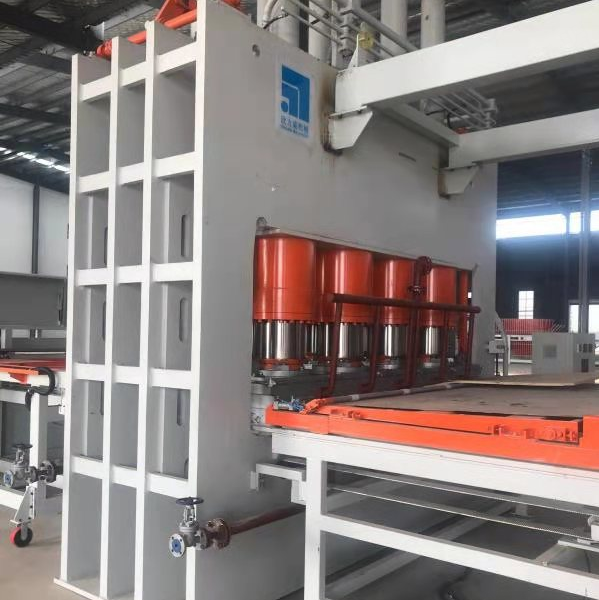
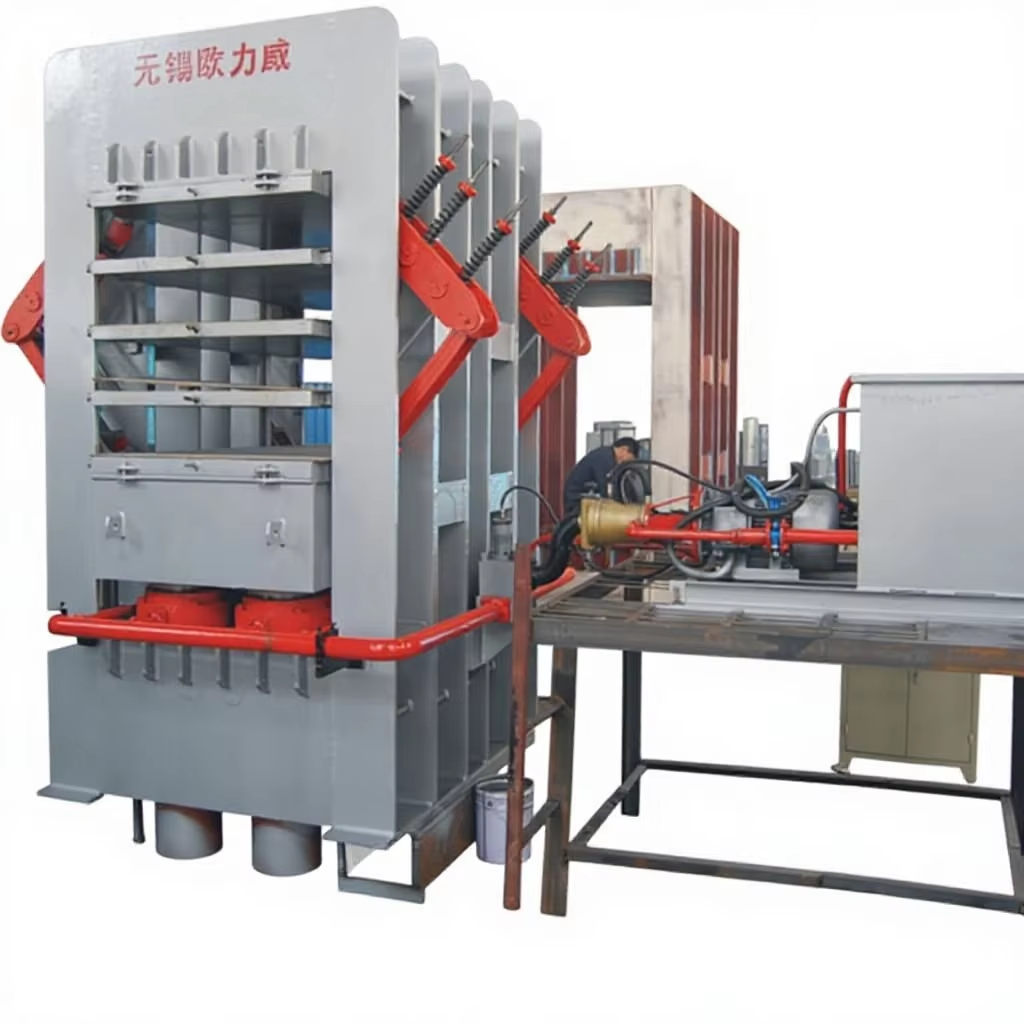
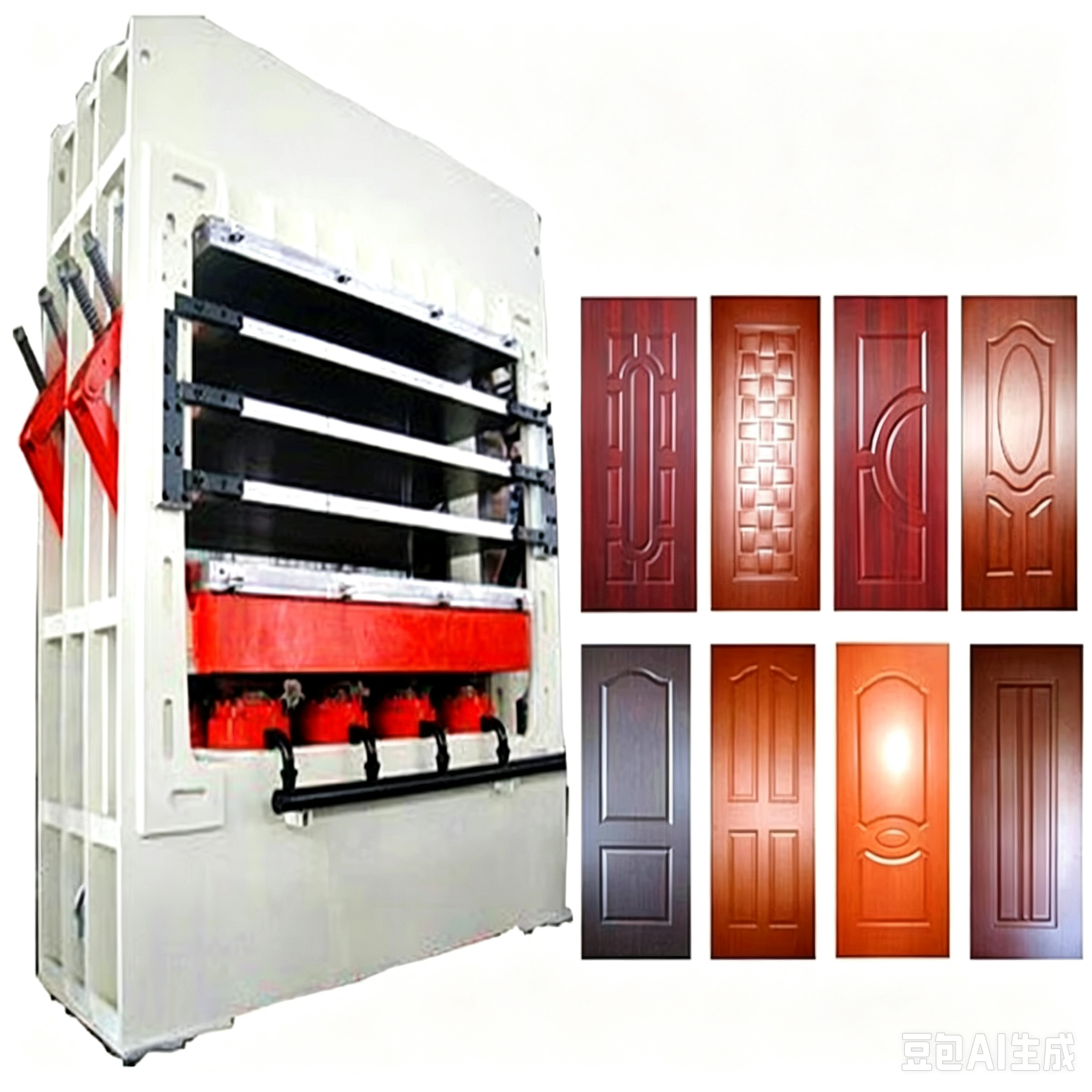
Today, Wuxi Ouliwei Machinery Manufacturing Co., Ltd., a professional laminating hot press manufacturer, explains the essential maintenance requirements for a laminating hot press.
As the core equipment used in panel lamination processing, the maintenance quality of a laminating hot press directly affects production efficiency and finished product quality. The following guide outlines key maintenance considerations from five critical aspects: mechanical structure, hydraulic system, hot platen, electrical control system, and operating practices.
1. Mechanical Structure Maintenance: Ensuring Stable Operation
Regular Cleaning and Lubrication
Mechanical components of the laminating hot press, such as guide rails, chains, and bearings, should be cleaned weekly to remove dust, adhesive residues, and other contaminants that may accelerate wear. After cleaning, apply appropriate lubricating grease to reduce friction and extend component service life. For example, guide rail surfaces should remain smooth and clean to prevent scratches that could cause movement resistance or jamming.
Fastener Inspection
Inspect all bolts and nuts monthly to ensure they remain securely tightened, especially at the connection points between the hot platen and machine frame. Any loose fasteners should be tightened immediately and recorded to prevent vibration-related component displacement, deformation, or failure.
Conveyor Belt Adjustment
The conveyor belt should maintain proper tension at all times. Excessively loose belts may slip during operation, while excessive tension can increase motor load and wear. Regularly inspect the belt edges for cracks, damage, or delamination. Any worn or damaged conveyor belt should be replaced promptly to prevent unexpected breakdowns or safety incidents.
2. Hydraulic System Maintenance: Maintaining Pressure Stability
Hydraulic Oil Management
Oil Quality Monitoring
Hydraulic oil samples should be tested every three months for viscosity, acid value, and moisture content. If the oil becomes dark, develops an unusual odor, or contains contaminants, it should be replaced immediately.
Oil Temperature Control
Hydraulic oil temperature should be maintained between 40°C and 50°C. If the temperature exceeds 60°C, cooling equipment should be activated to prevent oil oxidation and performance degradation.
Oil Level Inspection
Check the hydraulic oil level before starting the machine each day. If the oil level falls below the minimum mark, replenish it with the same type of hydraulic oil to prevent pump cavitation and system failures.
Seal Replacement
Sealing elements in hydraulic cylinders and valve assemblies are subject to aging and wear. They should be inspected every six months. When replacement is necessary, use high-temperature and corrosion-resistant seals specifically designed for hydraulic applications. After installation, verify system pressure stability to ensure proper sealing performance and prevent oil leakage.
3. Hot Platen Maintenance: Maintaining Temperature Uniformity
Surface Cleaning
The hot platen surface should be cleaned daily to remove adhesive residues, wood particles, and other contaminants that may affect heat transfer efficiency after solidification. Soft cloths or copper brushes are recommended for cleaning to avoid scratching the platen surface.
Flatness Inspection
The flatness of the hot platen should be measured quarterly using a precision level. If deviation exceeds 0.1 mm, adjustment or repair is required. Minor deformation can often be corrected through controlled heating and pressing, while severely damaged platens may need replacement.
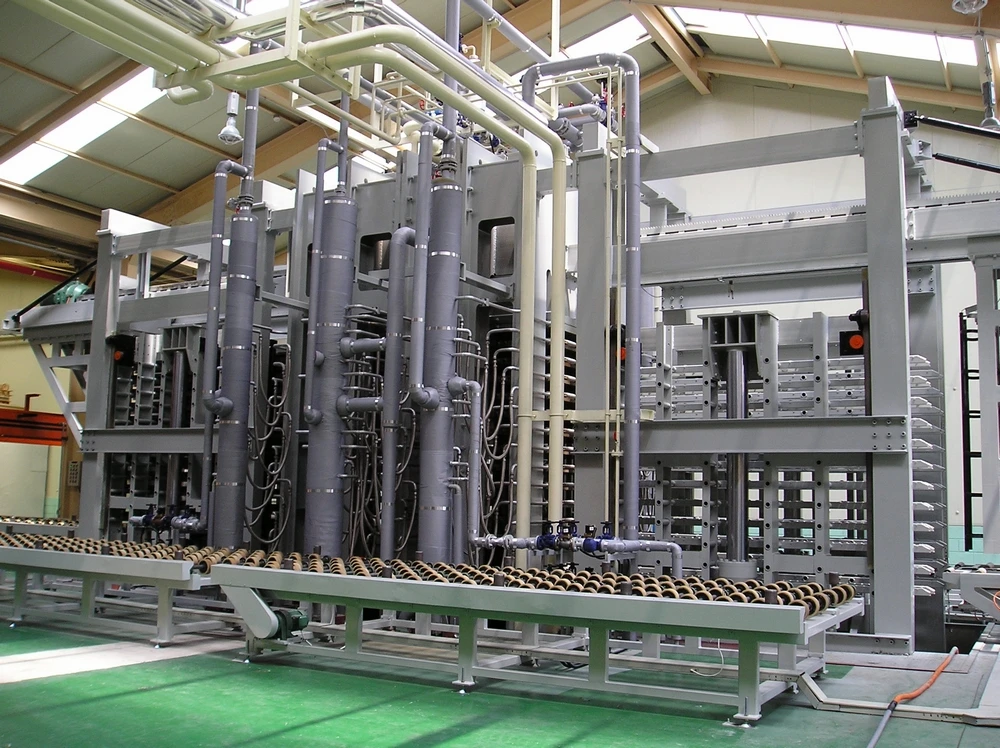
Heating oil equipment Channel Maintenance
For heating oil equipment laminating hot presses, internal channels should be inspected regularly to ensure unobstructed flow. If blockages are detected, high-pressure air should be used to clear the passages and prevent localized overheating that could lead to panel deformation.
4. Electrical Control System Maintenance: Ensuring Operational Safety
Electrical Wiring Inspection
Inspect the electrical cabinet monthly for aging wires, damaged insulation, or loose connections. Special attention should be given to heating element terminals, which must remain securely fastened. Dust accumulation should be removed using dry compressed air to minimize the risk of electrical short circuits.
Sensor Calibration
Temperature and pressure sensors should be calibrated every six months to maintain accurate measurements. If a sensor malfunctions, it should be replaced immediately and the corresponding control parameters should be recalibrated to prevent incorrect machine operation.
5. Operating Practices: Extending Equipment Service Life
Avoid Overloading
The rated pressure and operating temperature specified for the laminating hot press must be strictly observed. Overpressure and overtemperature operation should be avoided. After approximately eight hours of continuous operation, it is recommended to allow the machine to rest for one hour to reduce mechanical fatigue and prolong equipment life.
Handling Abnormal Conditions
If oil leakage, unusual noise, abnormal temperature readings, or other operational issues are detected, the machine should be stopped immediately and inspected by qualified maintenance personnel. Operation under faulty conditions should never continue. During thunderstorms or severe weather conditions, disconnect the power supply to protect the electrical system from potential lightning-related damage.
Conclusion
Effective maintenance of a laminating hot press should follow the principle of preventive care and regular servicing. By implementing systematic maintenance procedures for the mechanical structure, hydraulic system, hot platen, electrical controls, and daily operation, manufacturers can significantly reduce equipment failures, extend machine service life, improve production efficiency, and maintain consistent product quality.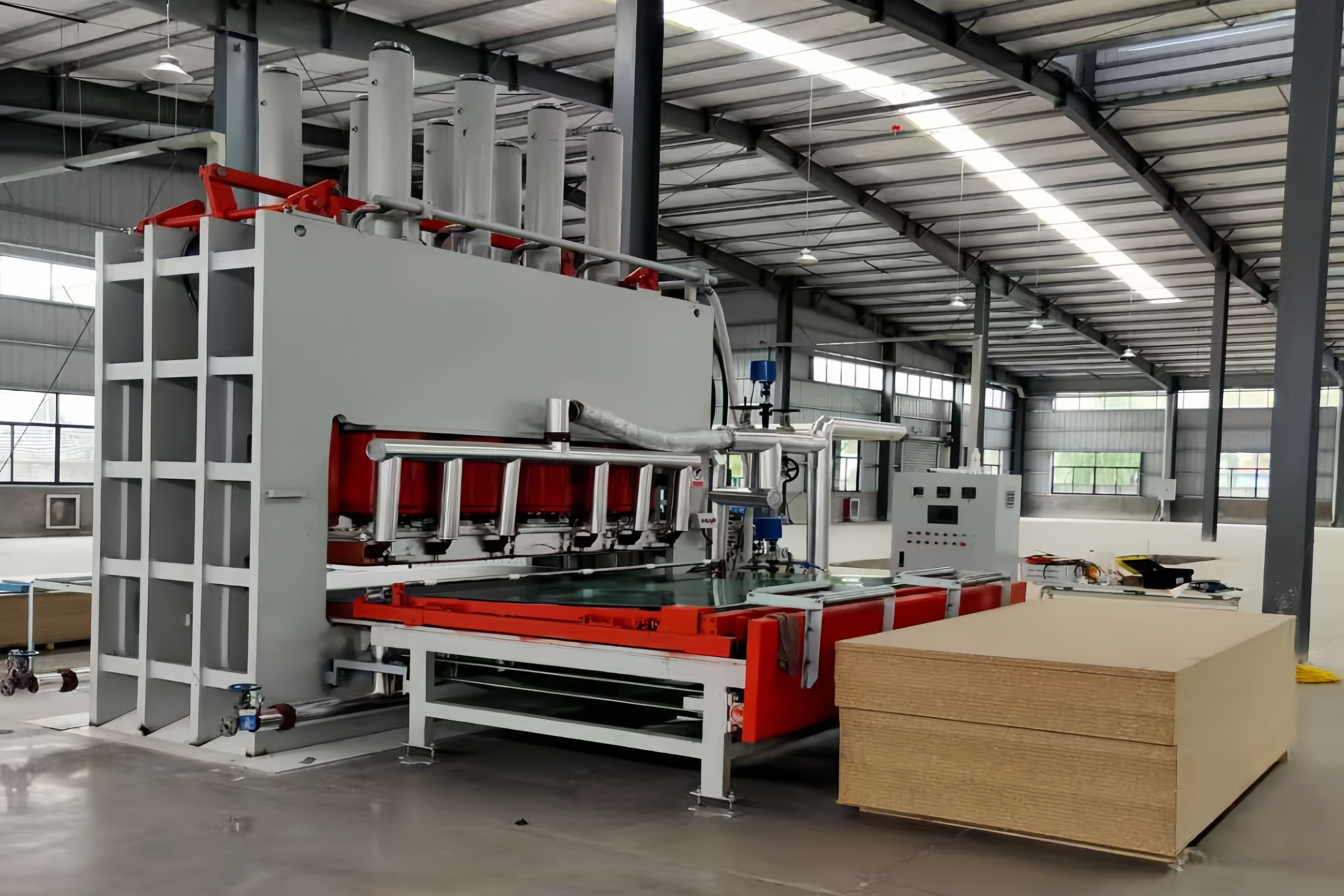
 Hot News
2026-07-13
2026-07-11
2026-07-10
2026-11-20
2026-11-16
2026-11-10


 EN