
 EN



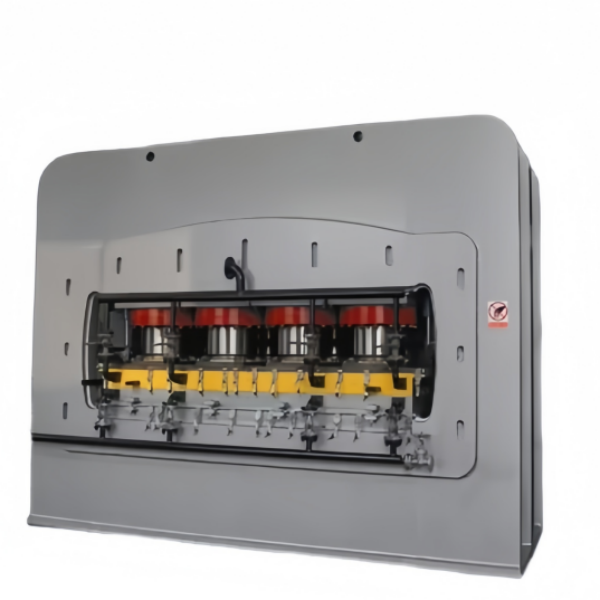
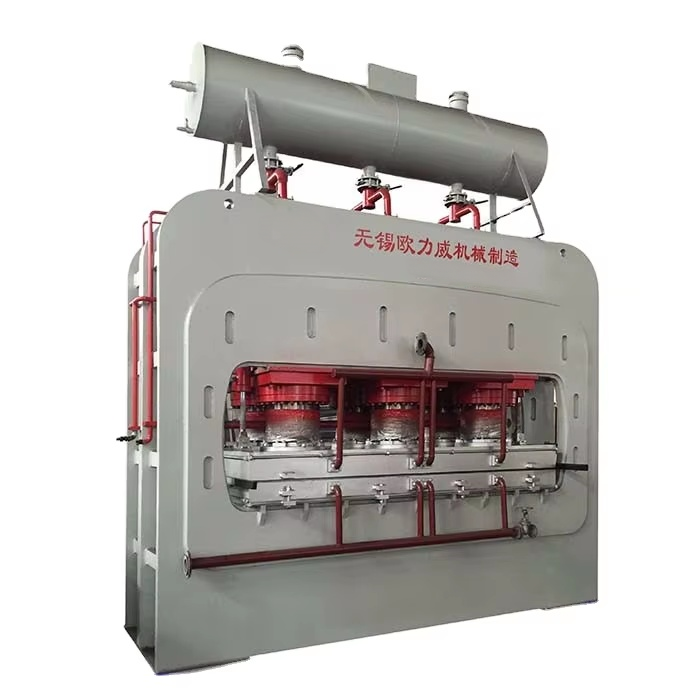
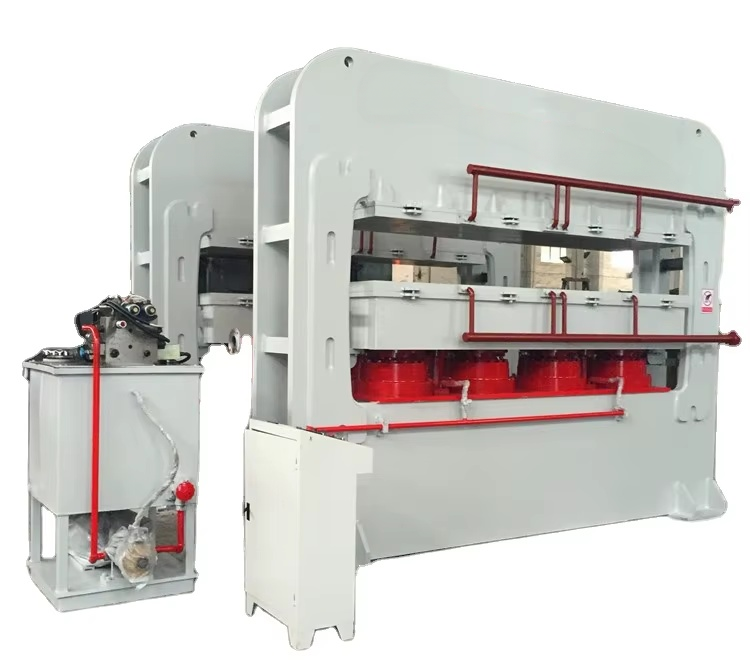
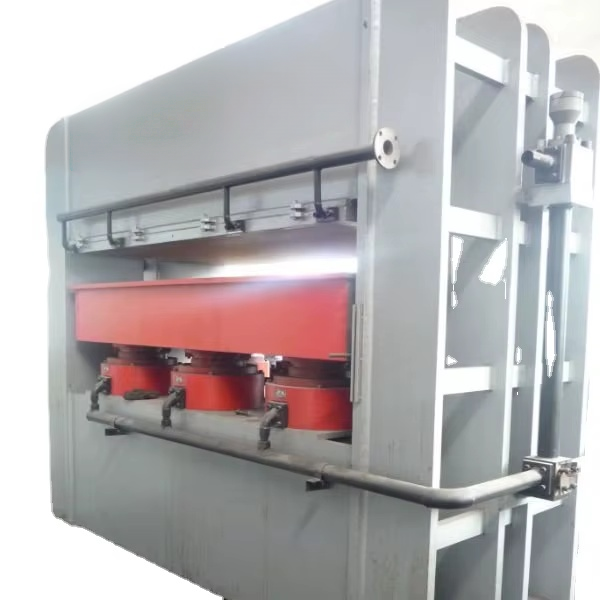
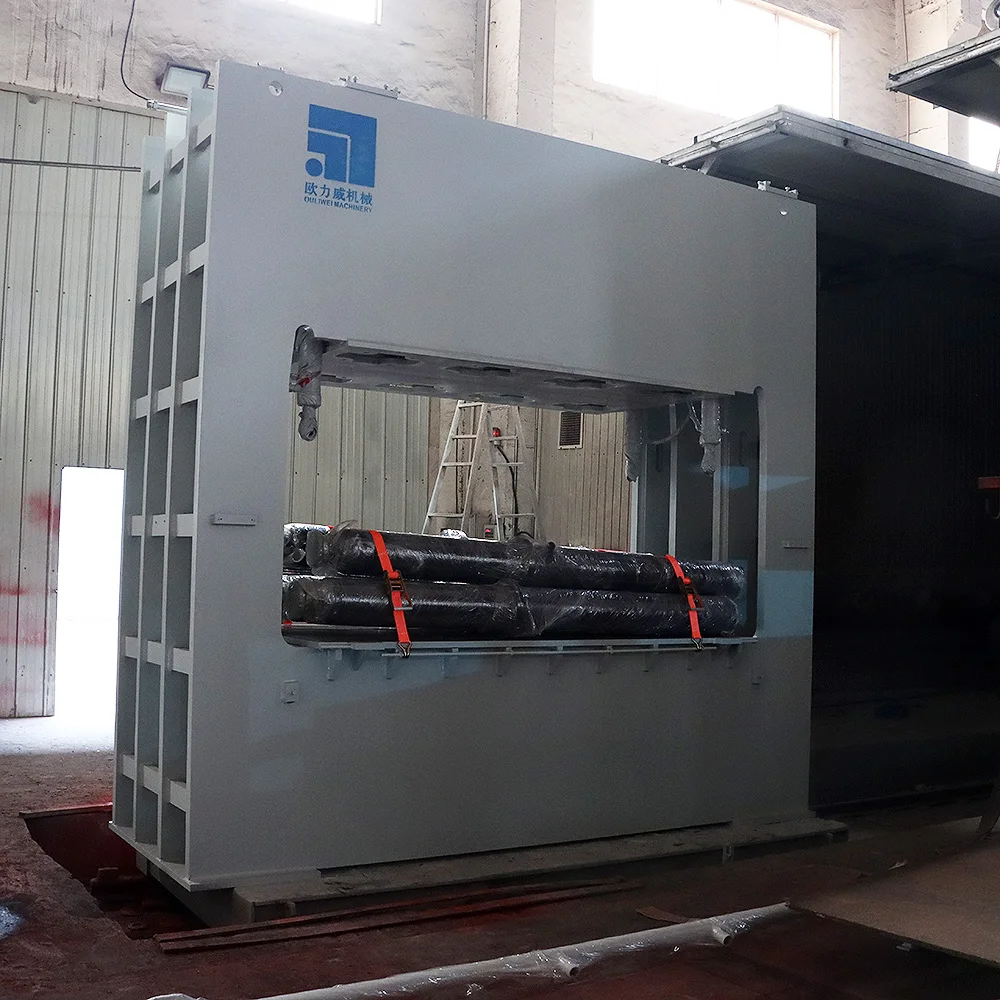
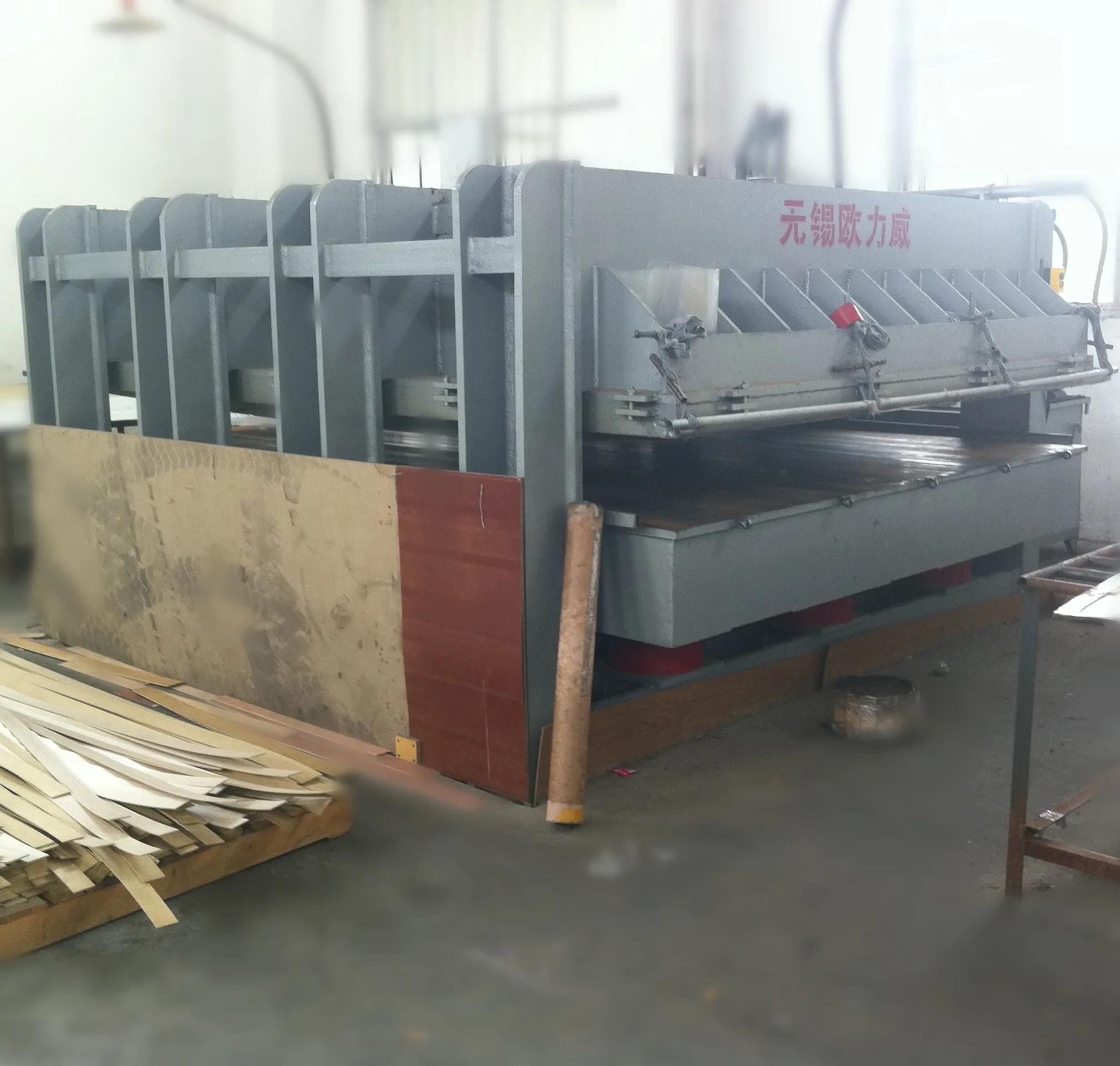
We can customize equipment with different pressures, sizes, and functions according to customer requirements. In the modern industrial manufacturing and heavy machinery sectors, standard off-the-shelf equipment frequently falls short of meeting the unique, highly specialized demands of advanced production facilities. Recognizing that every manufacturing plant operates under distinct spatial constraints, material specifications, and output targets, leading machinery manufacturers provide comprehensive, highly adaptable custom engineering services. Whether a client requires specialized hydraulic presses, automated material handling systems, or precision thermal processing units, equipment can be fully tailored in terms of operating tonnage, working table dimensions, structural configurations, and advanced control functions to match exact operational workflows.
The custom design process begins with a thorough, collaborative consultation between the client’s engineering team and specialized machinery designers. During this initial discovery phase, all critical operational parameters are carefully evaluated, including required pressing forces, cycle speeds, power supply characteristics, available factory floor space, and specific material properties. Advanced computer-aided design (CAD) software and finite element analysis (FEA) are then utilized to model the customized machinery, ensuring that structural integrity, safety compliance, and mechanical efficiency are rigorously optimized before physical fabrication commences.
Customization options span a broad spectrum of engineering variables. For heavy-duty pressing and forming machinery, clients can specify exact pressure ratings ranging from compact multi-ton units up to massive industrial presses capable of delivering thousands of kilonewtons of force. Working platform dimensions, daylight openings, and stroke lengths are similarly adjustable to accommodate oversize panels, multi-layer assemblies, or complex three-dimensional molds. Furthermore, specialized functional integrations—such as programmable logic controllers (PLCs), touchscreen human-machine interfaces (HMIs), automated loading and unloading mechanisms, integrated heating or cooling systems, and specialized safety enclosures—can be seamlessly incorporated into the custom build.
Beyond mechanical and electrical adaptations, custom manufacturing solutions extend to pneumatic circuits, hydraulic manifold layouts, and energy-saving variable-displacement pump systems. By tailoring these subsystems to the client's specific duty cycles, manufacturers ensure maximum energy efficiency, reduced thermal output, and minimal hydraulic fluid degradation over extended periods of continuous multi-shift operation. This meticulous attention to detail prevents costly retrofitting later and guarantees that the delivered machinery integrates harmoniously into existing factory automation networks.
Quality assurance, stringent material selection, and rigorous factory testing remain uncompromised during custom equipment fabrication. Every customized machine is constructed from high-grade structural steel and premium commercial components sourced from globally trusted suppliers. Before shipment, fully assembled custom units undergo extensive load testing, pressure verification, and electrical safety inspections in the manufacturer's testing facility to ensure flawless performance upon arrival at the customer's plant.
Comprehensive after-sales support, detailed technical documentation, and professional remote or on-site installation assistance accompany every customized equipment delivery. Specialized training programs ensure that operators and maintenance personnel quickly master the unique control interfaces and maintenance protocols of the bespoke machinery, maximizing operational uptime and protecting the facility's long-term capital investment.
Logistical efficiency, safe transport packaging, and secure international freight management are also critical components of customized equipment delivery. Because bespoke machinery often features non-standard dimensions or delicate protruding control panels, packaging engineers design custom wooden crates, heavy-duty structural steel skids, and weather-resistant moisture barriers. These protective measures ensure that specialized presses and automated units arrive at global destination ports or local factory floors in pristine, factory-new condition, completely free from transit damage, mechanical misalignment, or environmental corrosion.
Furthermore, ongoing technological innovation and close customer partnerships drive continuous improvements in modular equipment architecture. By utilizing standardized core sub-assemblies combined with interchangeable functional modules, manufacturers can reduce custom engineering lead times while maintaining uncompromising precision and structural robustness. This modular design philosophy enables rapid prototyping, flexible manufacturing adjustments, and seamless future upgrades as client production requirements evolve over time.
Moreover, the implementation of advanced automation and digital twinning in custom machine manufacturing allows clients to virtually test and simulate complex production sequences prior to physical assembly. This cutting-edge digital approach significantly minimizes engineering iterations, reduces material waste during prototyping, and accelerates project delivery schedules for specialized industrial installations across diverse global markets.
In addition to mechanical and software customization, safety compliance remains a paramount priority in bespoke industrial design. Tailored equipment is meticulously engineered to satisfy international safety certifications, including CE, ISO, and OSHA standards, ensuring that customized machinery provides robust operator protection regardless of unique operational configurations or regional regulatory environments.
Ultimately, investing in custom-engineered industrial machinery empowers modern manufacturing enterprises to transform unique operational challenges into sustainable competitive advantages. By aligning equipment capabilities perfectly with specific production goals, businesses achieve unprecedented levels of manufacturing excellence, operational efficiency, and long-term profitability.
The economic benefits of investing in customized manufacturing equipment extend far beyond immediate production adjustments. While off-the-shelf machinery may present a lower initial purchase price, it frequently incurs hidden operational costs through inefficient material usage, excessive energy consumption, frequent maintenance bottlenecks, and the need for awkward factory floor modifications. In contrast, fully customized equipment is optimized from the ground up for maximum throughput, minimal downtime, and perfect synergy with existing upstream and downstream machinery. This targeted optimization delivers a rapid return on investment (ROI) by significantly lowering operational overhead and maximizing output quality.
Furthermore, the collaborative engineering relationship fostered during the custom design process often sparks innovative solutions to complex manufacturing challenges. Experienced machinery designers bring decades of cross-industry expertise to the table, offering valuable insights into material handling, pressure distribution, thermal management, and cycle time optimization that clients may not have initially considered. This consultative partnership ensures that the final delivered system is not merely a custom-built machine, but a comprehensive, highly optimized manufacturing solution tailored for long-term success.
As global markets become increasingly competitive and consumer expectations for product customization continue to rise, manufacturing flexibility is no longer optional—it is a fundamental business necessity. Enterprises that harness the power of custom-engineered equipment can rapidly adapt to shifting material trends, introduce innovative product lines, and maintain an unshakeable edge over competitors relying on rigid, standard machinery. Through dedicated collaboration, uncompromising structural integrity, and limitless adaptability in pressures, sizes, and functions, custom machinery manufacturers provide the essential foundation for the future of smart industrial production.
Empowering industrial growth and technological innovation across every sector. Through unwavering commitment to engineering excellence and customer satisfaction, customized industrial equipment continues to redefine the boundaries of modern manufacturing capabilities worldwide.

