EN




What Production Problems a Woodworking Laminating Machine Solves
When panel output looks inconsistent, the first question is rarely “Do we need more capacity?” More often, it is “Which part of the lamination process is creating rework, delays, or customer complaints?” A woodworking laminating machine helps manufacturers control the stage where a decorative surface, veneer, paper, or laminate must become one dependable panel. For furniture board, flooring, wall panel, and cabinet producers, that control affects visual quality, usable yield, and the ability to promise delivery dates with confidence.
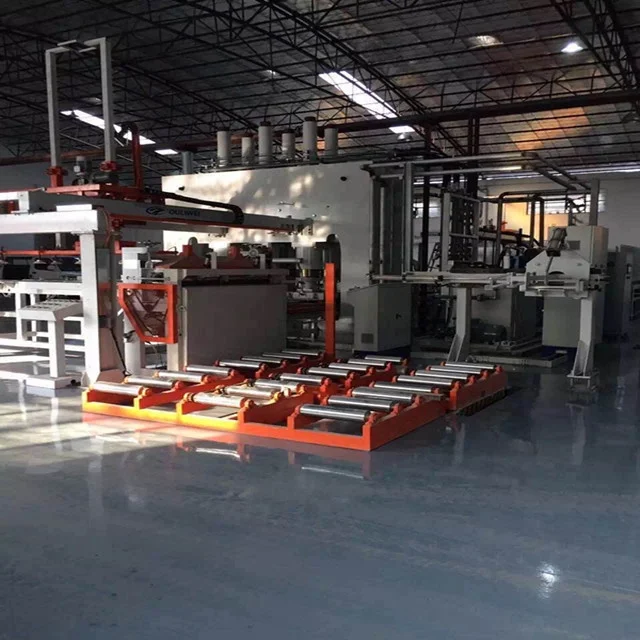
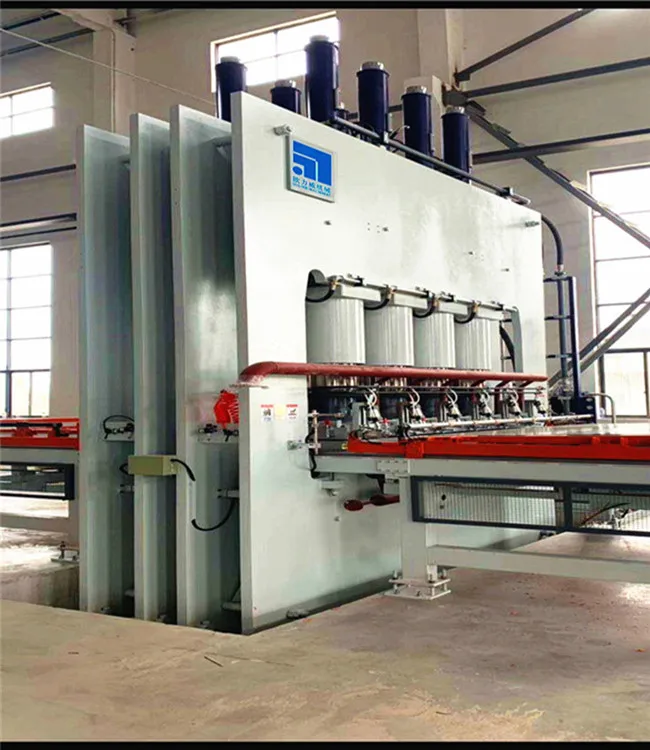
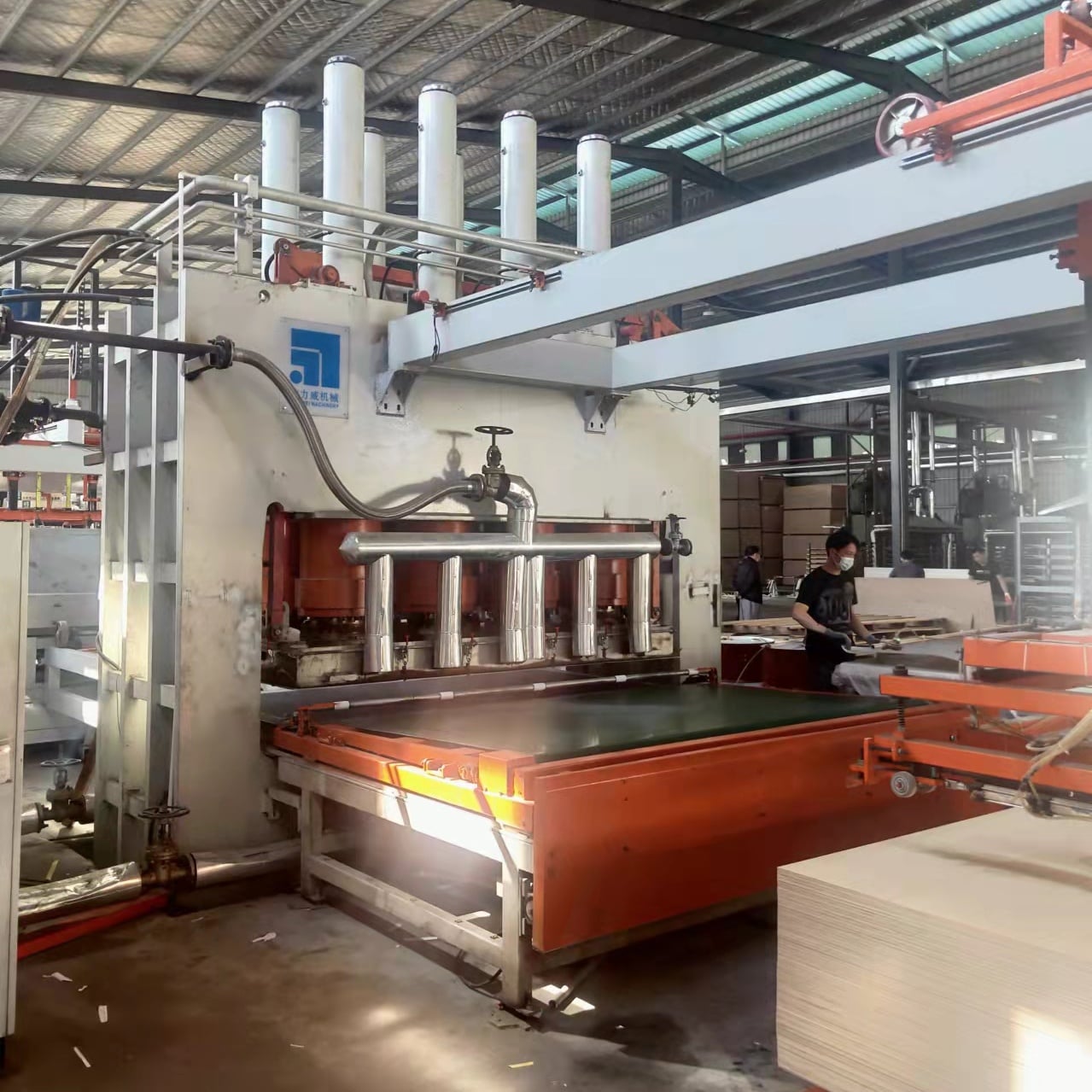
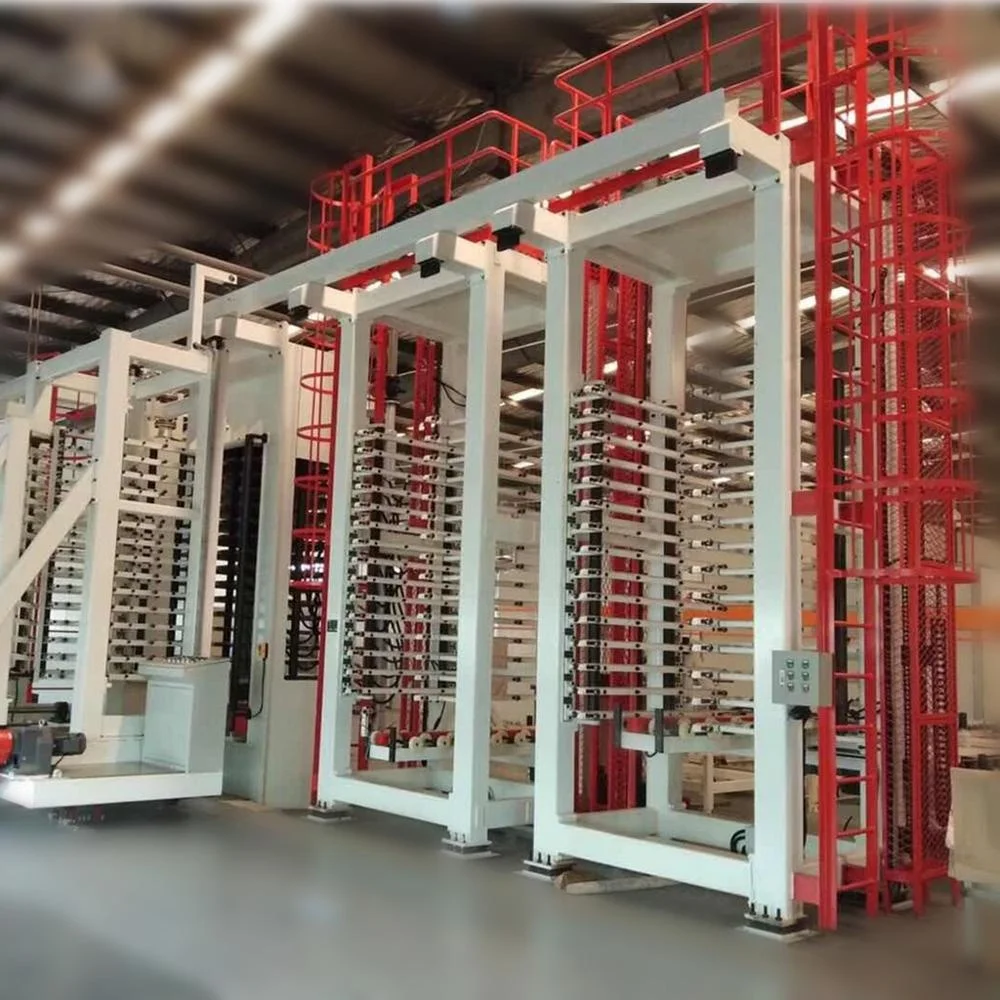
From a procurement perspective, the useful way to evaluate a woodworking laminating machine is not as a standalone press. It is part of a production system that must keep board preparation, material handling, heat, pressure, timing, and inspection working together. Wuxi Ouliwei Machinery Manufacturing Co., Ltd. focuses on melamine lamination equipment for wood-based panels, including short-cycle lamination lines and press systems used in furniture, flooring, wall-panel, and cabinetry applications.
1. Inconsistent Surface Appearance Across a Panel
Uneven gloss, texture transfer, color appearance, or edge quality can turn an otherwise sound board into a downgrade or reject. These symptoms may come from variation in platen temperature, pressure distribution, lay-up accuracy, paper condition, or the board itself. A woodworking laminating machine gives the production team a controlled pressing stage where settings can be defined, repeated, and verified rather than adjusted informally from batch to batch.
Independent pressure-zone control is especially relevant when a factory needs more consistent contact across the full platen area, including edges and corners. It is not a promise that every defect disappears: paper, resin, substrate thickness, and maintenance condition still matter. But stable pressure and repeatable timing give operators a clearer baseline for troubleshooting. In panel markets where buyers judge gloss, texture, color consistency, and edge finish immediately, that baseline protects the grade of the finished product.
2. Weak Bonding, Blisters, and Veneer Lift
Bond failures are frustrating because they can be visible only after downstream handling, cutting, or delivery. A woodworking laminating machine addresses the process conditions around bonding by applying heat and pressure in a repeatable sequence. The equipment is only one part of the answer. Before a shift begins, the substrate should be flat, clean, and dry, and the adhesive or resin system must suit the material being run.
This is where wood veneer laminating equipment deserves a practical evaluation. Veneer can respond differently to moisture, grain direction, adhesive spread, and temperature than melamine paper or other overlays. If a line runs several constructions, the team should validate recipes by material rather than assume one heat-and-pressure setting works for every stack. Pressing hotter or longer than necessary is not automatically safer; excess heat or an unsuitable cycle can create its own quality risks. A controlled machine makes recipe discipline possible, while process validation determines the recipe.
3. Cycle-Time Drift That Disrupts Capacity Planning
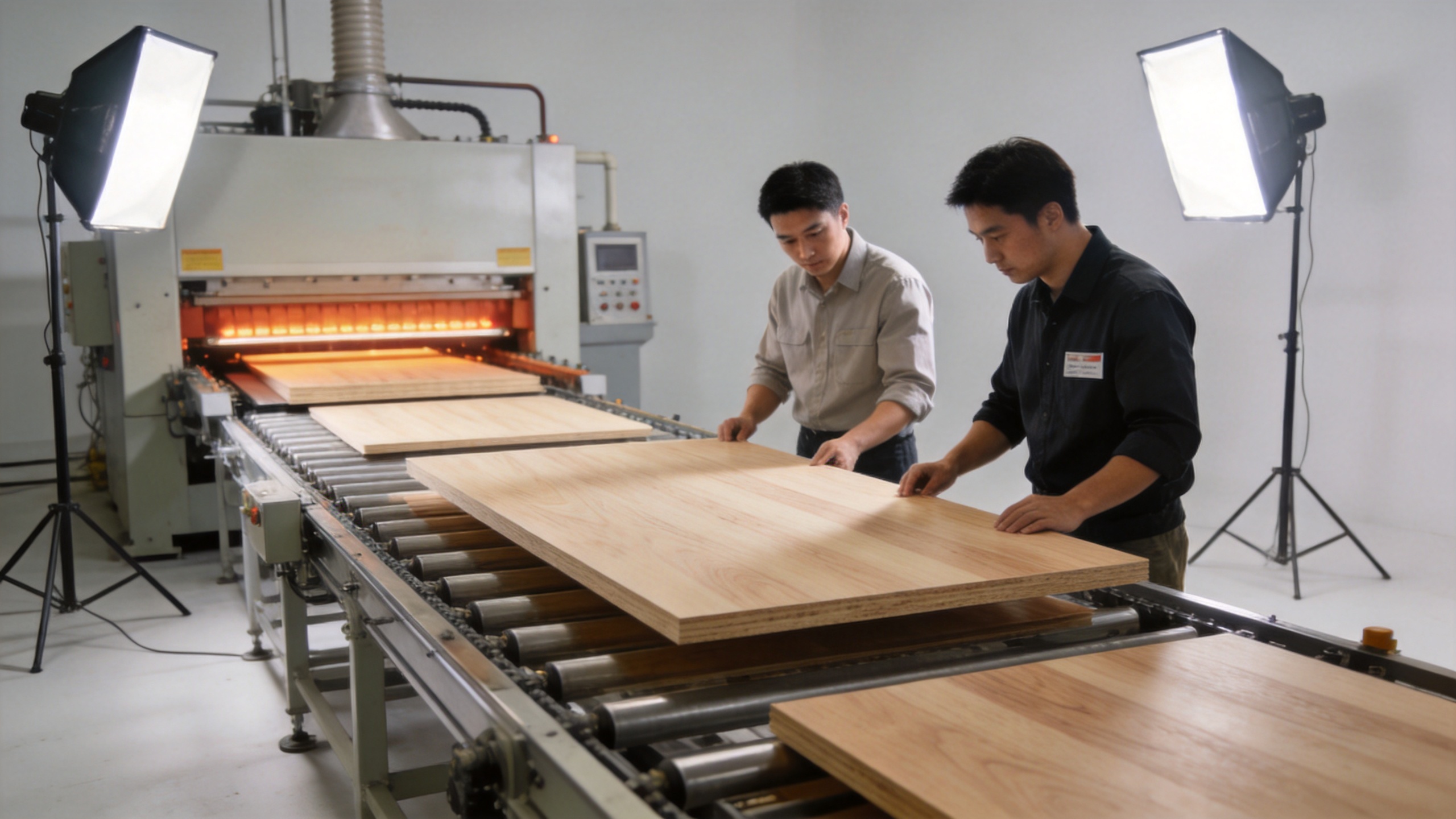
A line can look productive during a single demonstration cycle and still miss its shift target in continuous operation. Slow loading, inconsistent closing and opening, long recovery intervals, or unplanned stops add up across hundreds of boards. Short-cycle lamination configurations are designed for repeat production environments because they reduce the lamination stage from a long manual bottleneck to a repeatable operating rhythm.
And here is where capacity planning becomes more useful than headline specifications. The initial plan may be to choose a single-opening press to keep the project simple. After reviewing actual board mix, cycle time, planned shifts, and output targets, a factory may find that a multi-opening configuration better fits the needed production rhythm. The right conclusion depends on the product mix and changeover pattern; there is no universal opening count that fits every plant.
| Production symptom | What to investigate | How a woodworking laminating machine helps |
|---|---|---|
| Output varies by shift | Recipe control, loading consistency, cycle timing | Creates repeatable heat, pressure, and timing conditions |
| Surface defects at edges or corners | Pressure distribution, board flatness, platen condition | Supports controlled full-platen pressing and systematic checks |
| Late orders during peak periods | Downtime causes, spare-parts planning, throughput assumptions | Helps turn the press stage into a measurable production step |
4. Rework Caused by Too Many Manual Judgments
When operators must decide heat, pressure, dwell time, or loading adjustments from memory, quality can become dependent on who is running the shift. A woodworking laminating machine does not replace skilled operators, but it gives them a consistent operating platform. Defined recipes, clear setup records, and routine checks make it easier to distinguish a material issue from an equipment issue.
This matters most when factories add new decors, board sizes, or surface finishes. A trial should document the substrate condition, decorative material, adhesive or resin system, target cycle, inspection criteria, and actual result. With that record, the next run begins from a known setting rather than a guess. Wood veneer laminating equipment can be evaluated in the same way: validate the complete combination of veneer, core, adhesive, and press recipe before expanding output.
5. Downtime That Creates a Delivery Risk
Unplanned downtime during a busy production period can make a missed customer commitment difficult to recover. The problem is not only the stopped press. It is the unfinished board stack, the labor waiting downstream, the rescheduled truck, and the quality risk created by rushed recovery. A production line should therefore be specified with maintainability and support in mind, not only nominal pressure or opening size.
In the early stages, equipment evaluations often begin with price comparisons. After the first major interruption with a supplier that cannot support troubleshooting or provide parts promptly, the priority usually shifts to service coverage, documentation, and spare-parts planning. Before finalizing a woodworking laminating machine purchase, buyers should ask how critical wear items are identified, what commissioning support covers, and how the supplier handles technical communication after installation.
6. A Better Way to Specify the Equipment
There is not one universally appropriate machine configuration. The appropriate solution depends on whether the factory produces furniture board, flooring, wall panel, cabinet components, or mixed panel runs; it also depends on substrate size, decorative material, target output, factory utilities, and the level of automation around the press.
- Define the panel types, sizes, thickness range, and surface-quality requirements first.
- Measure the real shift target, including loading, unloading, changeovers, and planned maintenance.
- List the material combinations to be validated, especially when veneer and melamine-paper applications coexist.
- Ask suppliers to explain how pressure, temperature, cycle settings, and safety interlocks are controlled and documented.
- Plan acceptance criteria for surface uniformity, bond performance, usable yield, and operator training before commissioning.
Conclusion: Turn a Variable Process Into a Controlled One
The production problems a woodworking laminating machine solves are connected: surface inconsistency, bond failures, slow or drifting cycles, operator-dependent settings, and downtime all reduce the usable output of a panel line. The machine is most valuable when it helps a factory move from reactive adjustments to documented, repeatable process control.
For manufacturers evaluating a new line or press, the key is to match the equipment configuration to the actual board construction and shift target, then validate the process with real materials. A specialist supplier such as Wuxi Ouliwei can be evaluated not only on equipment scope, but also on how clearly it helps the factory define recipes, commissioning checks, service expectations, and long-term operating discipline.
 Hot News