 ×

Today, Wuxi Ouliwei Machinery Manufacturing Co., Ltd., a professional laminating hot press manufacturer, explains the key inspection points for uneven platen heating in a laminating hot press. Performing systematic diagnostics, proactive maintenance, and routine technical checks on thermal distribution systems is essential for industrial wood processing facilities striving to maintain consistent panel quality, reduce material rejection rates, minimize unnecessary production downtime, and extend critical equipment operating lifespans over extended service periods.
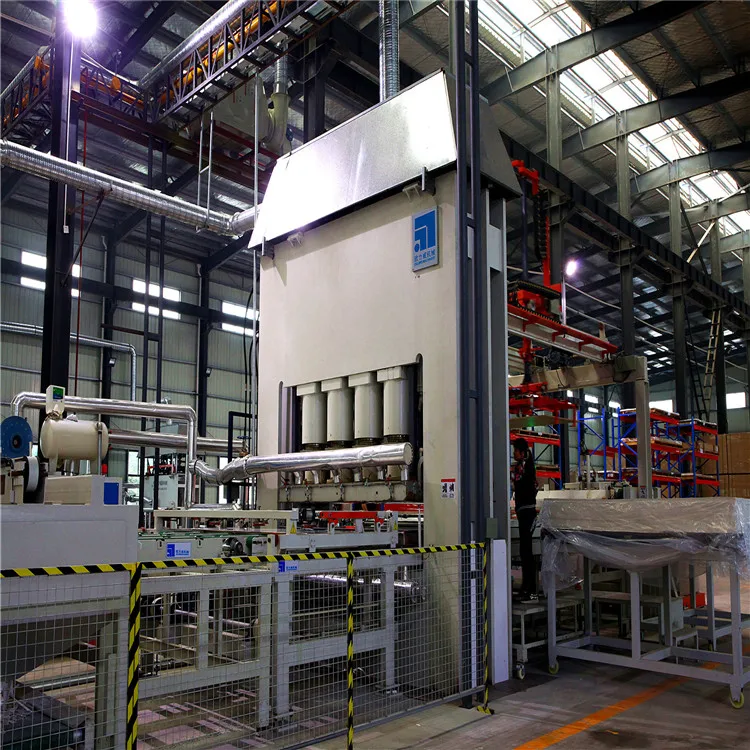
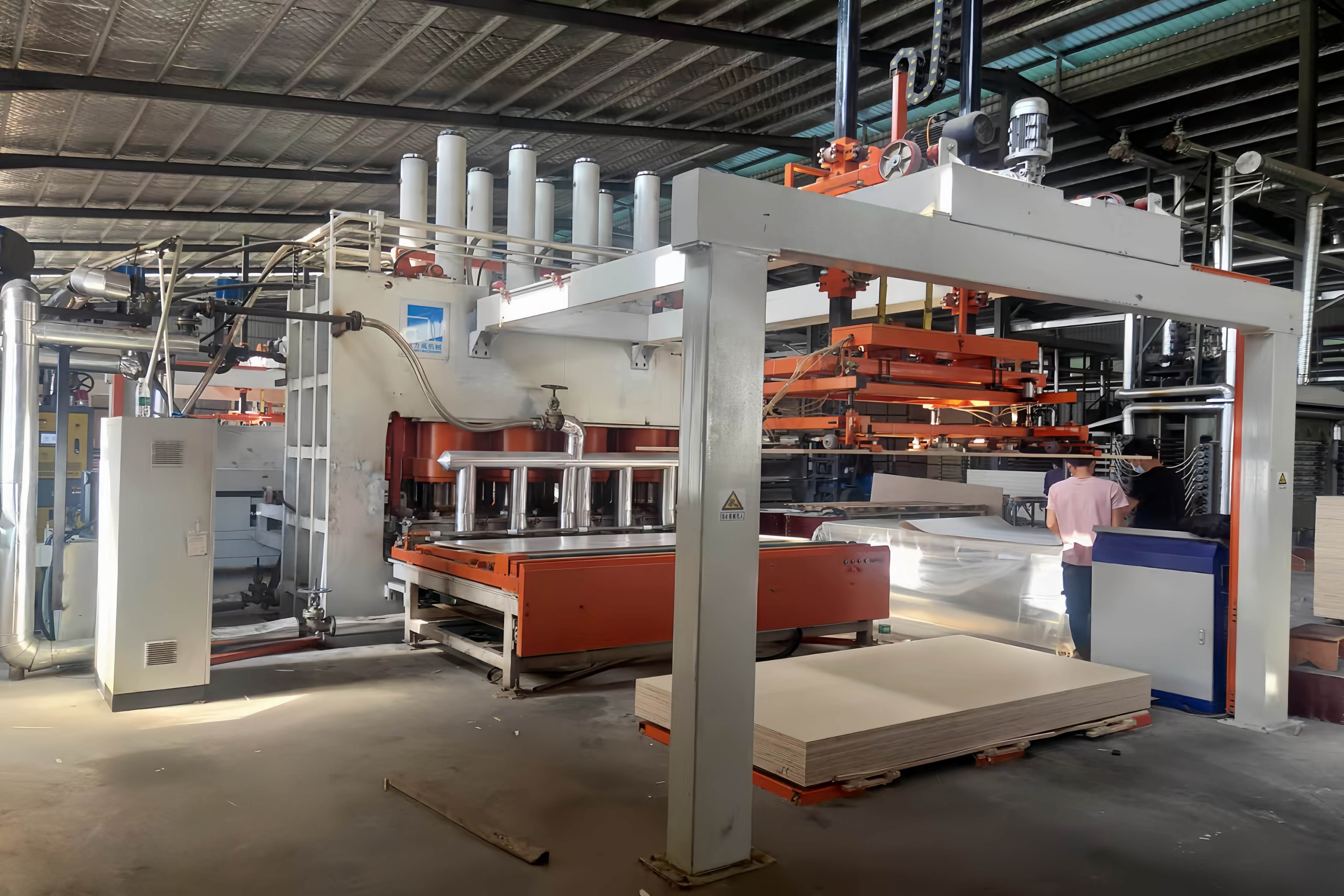
Uneven heating across the platen is one of the most critical faults affecting panel lamination quality. Minor temperature differences can lead to localized adhesive failure, blistering, and color variation, while severe cases may result in the rejection of an entire batch of laminated panels. As modern furniture manufacturing, engineered wood processing, and architectural panel production demand strict surface finish uniformity and structural integrity, identifying thermal inconsistencies early helps protect valuable raw material investments, reduce operational costs, and maintain high operational efficiency across the workshop floor. During troubleshooting, priority should be given to the key components most closely related to heat distribution, allowing the root cause to be identified quickly and resolved effectively.
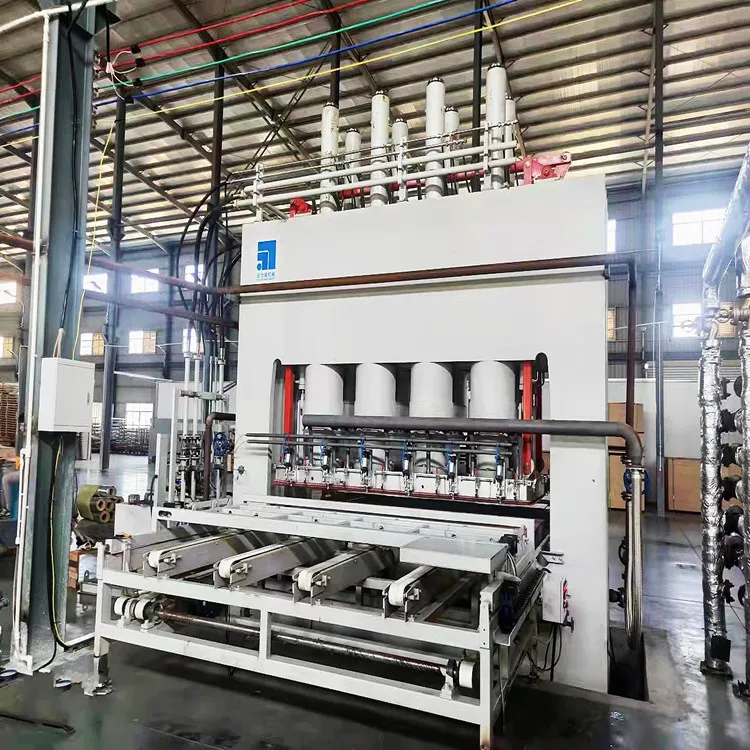
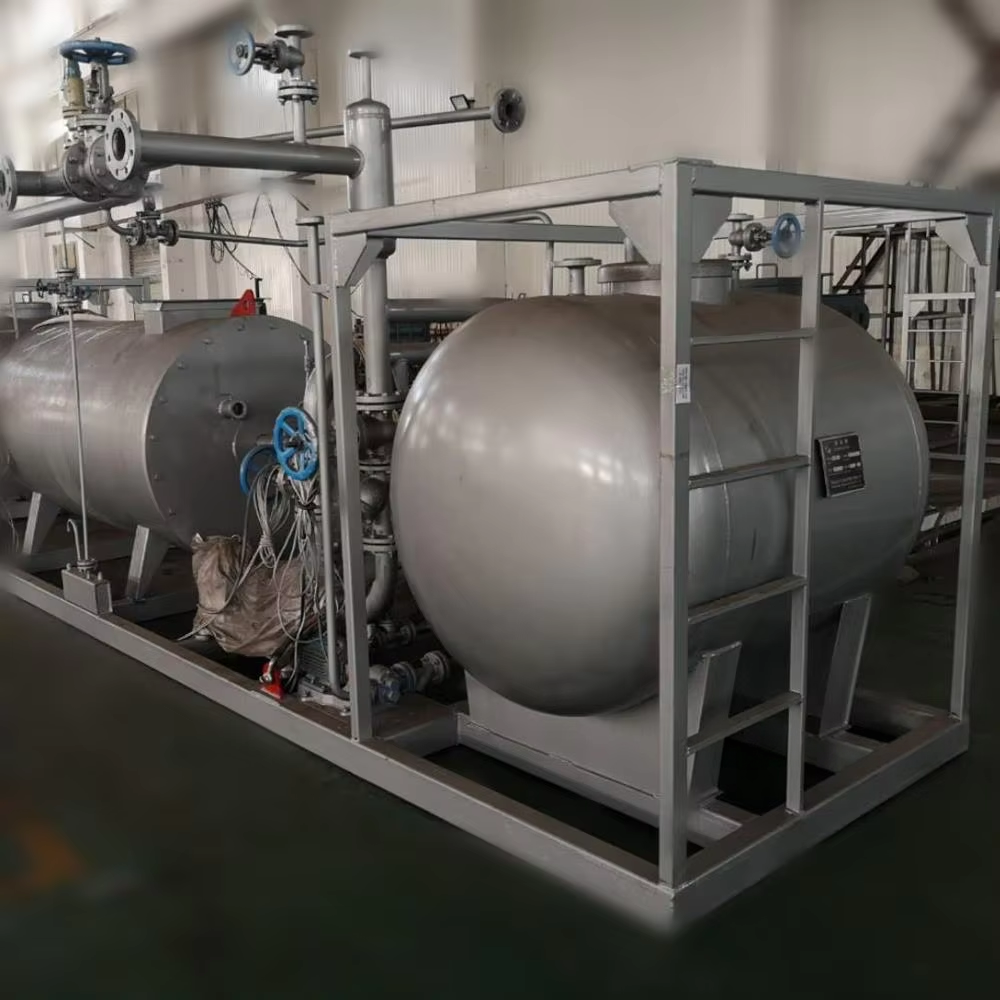
The first priority is to inspect the heat transfer medium circulation system, as it is one of the most common causes of uneven heating. Begin by checking the heat transfer oil supply and return pipelines one by one to confirm that there are no partial blockages or insufficient valve openings. If the flow is restricted in any section of the pipeline, the heat transfer oil flow to the corresponding area will decrease significantly, causing delayed heating in that section of the platen. Next, open the inspection ports of the internal heat transfer channels inside the platen and examine whether oil sludge or impurities have accumulated on the channel walls after long-term operation. These deposits greatly reduce heat transfer efficiency and create localized low-temperature zones. This is one of the most common issues found in laminating hot presses that have been in service for more than three years. Ensuring a clean, unobstructed fluid pathway through periodic flushing, professional pipeline cleaning, and high-quality thermal fluid filtration is vital for sustaining steady thermal equilibrium across large-format press platens during continuous daily operations.
The second priority is to inspect the built-in heating elements of the laminating hot press. For electrically heated models, measure the resistance of each heating tube individually to determine whether any heating element has failed or whether loose electrical connections are present. If a heating tube stops working, the corresponding section of the platen loses its heat source, resulting in a noticeable temperature difference. For steam-heated laminating hot presses, special attention should be paid to the steam trap inside the platen. A blocked or failed steam trap can cause condensate to accumulate within the platen, creating localized cold spots and disrupting overall temperature uniformity. Regular electrical continuity testing, professional thermal imaging checks, and routine steam trap inspections help prevent hidden thermal drop-offs during intensive production shifts, keeping the heavy-duty machinery working stably within safe operating parameters.
The third critical inspection area is the temperature monitoring and pressure balancing system, which should never be overlooked. Calibrate each temperature sensor installed on the platen surface to ensure that none has shifted position or developed measurement inaccuracies. Faulty temperature readings may cause the temperature control system to adjust heating power incorrectly, creating the appearance of uneven heating even when the heating system itself is functioning properly. At the same time, check whether all hydraulic cylinders are delivering balanced pressure. Excessive localized pressure can reduce heat transfer through the panel material, preventing heat from being distributed evenly across the platen and leading to abnormal heating performance. Maintaining accurate sensor calibration and balanced mechanical clamping forces ensures that thermal energy transfers evenly into every surface area of the composite panel, avoiding unexpected density variations and surface defects.
By following this inspection sequence, maintenance personnel can quickly identify the root cause of uneven platen heating and restore the laminating hot press to stable operation with uniform temperature distribution. Adopting these structured diagnostic practices, thorough safety inspections, and preventative maintenance protocols enables factory operators to minimize unexpected technical interruptions, optimize total energy consumption, protect overall product quality standards, and support long-term manufacturing reliability across all commercial laminating production lines. Additionally, establishing a detailed equipment logbook allows technicians to track thermal performance trends over time, ensuring proactive interventions before minor inconsistencies escalate into costly operational failures while maximizing equipment availability, supporting sustainable plant operations, enhancing overall facility profitability, securing a competitive advantage in the global woodworking market, fostering long-term customer trust, ensuring adherence to high operational benchmarks, meeting modern enterprise efficiency targets, driving sustainable business growth, elevating industrial production excellence, strengthening your facility’s standing as a reliable producer of premium-grade wood-based panels, optimizing daily workflow execution, ensuring seamless compliance with international industrial standards, and promoting continuous workplace improvement.
 Hot News
2026-07-13
2026-07-11
2026-07-10
2026-11-20
2026-11-16
2026-11-10


 EN