
 EN




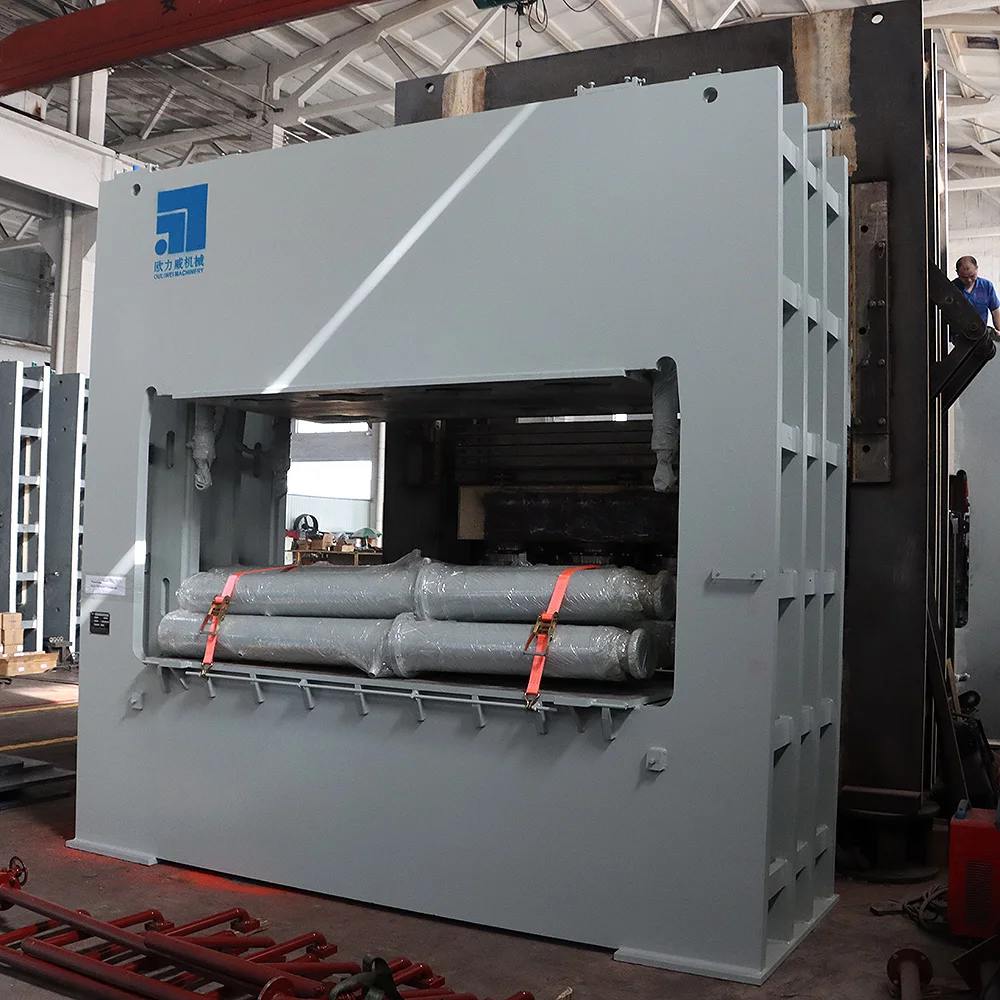
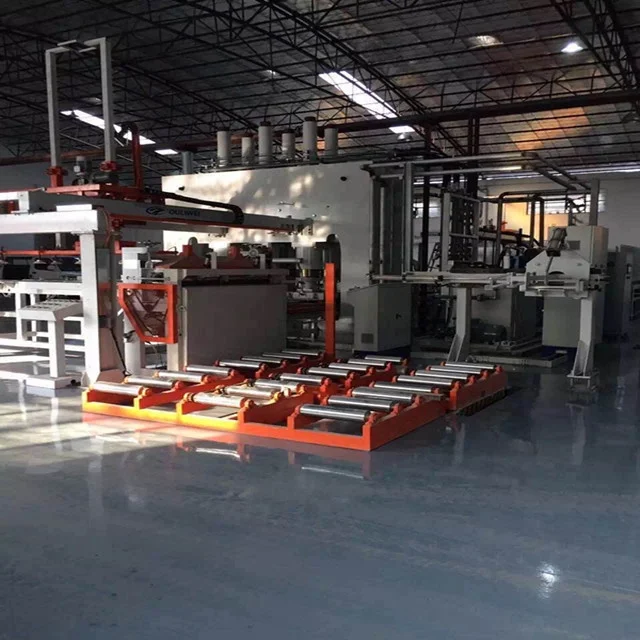
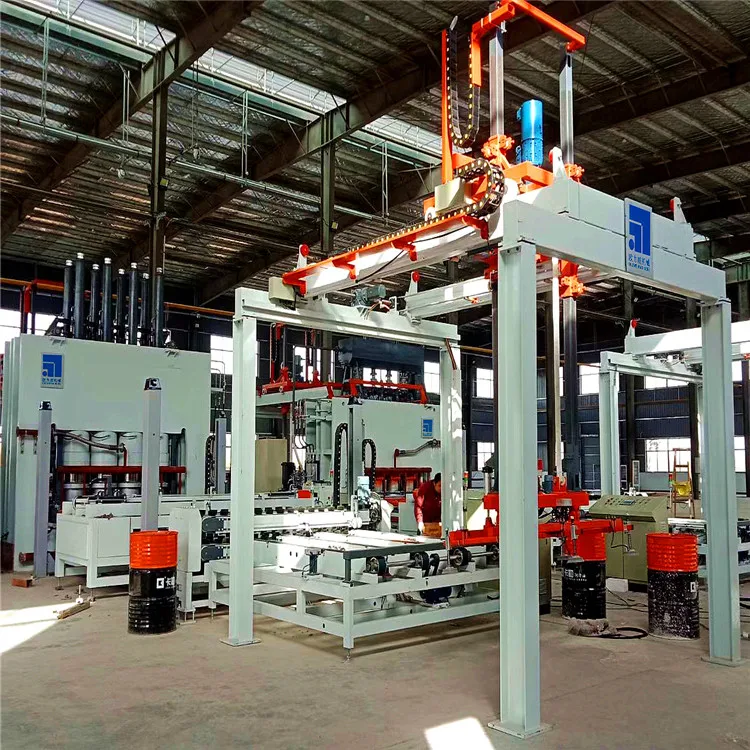
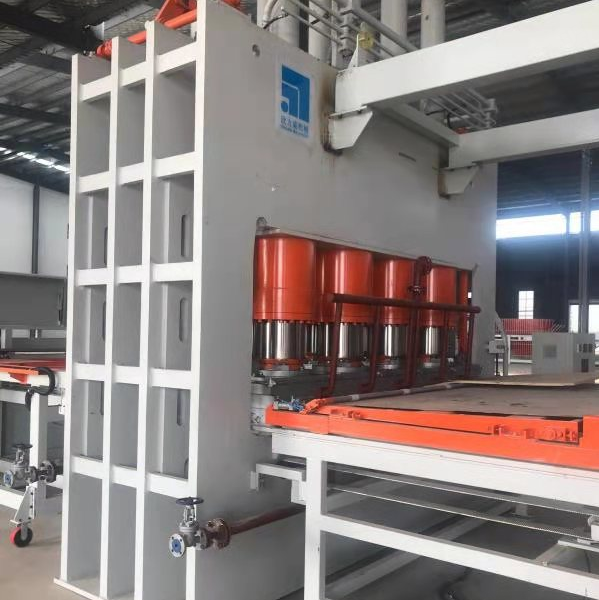
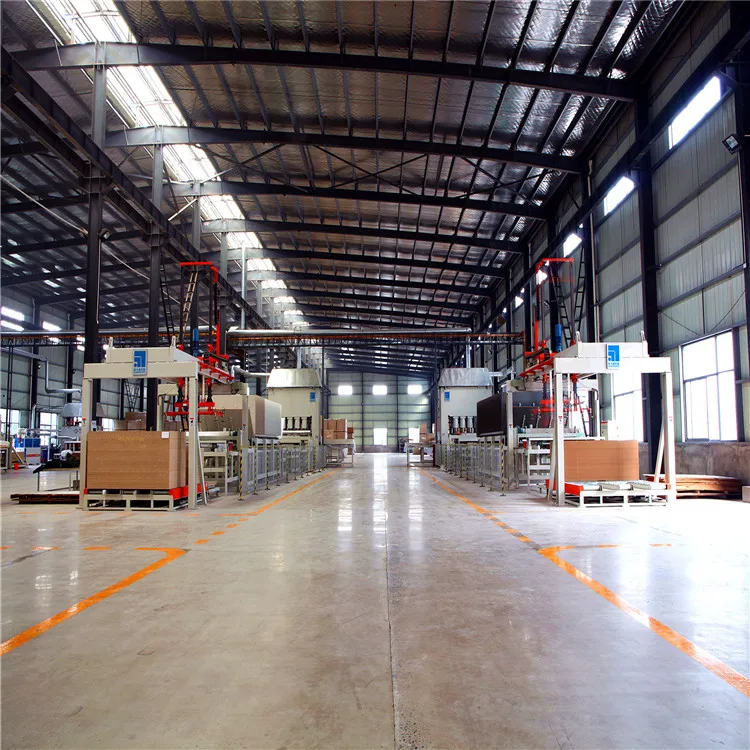
NYJ 1200-6000T series of fast veneering hot press machine production line are widely used in veneering surface decoration patterns of furniture board, wall board, flooring board, common ones are melamine surface for MDF/HDF, Particle board, plywood and so on. This specialized manufacturing series is engineered to provide modern wood-processing facilities with a comprehensive, robust, and adaptable method for surface lamination and decorative panel finishing. By utilizing advanced thermal pressing technology, precise hydraulic pressure regulation, and state-of-the-art temperature distribution systems, the equipment ensures that decorative papers, wood veneers, foils, and synthetic overlays are evenly and securely bonded across a wide variety of wood-based panel substrates. This high level of bonding uniformity is critical for meeting the rigorous aesthetic, mechanical, and durability standards demanded in contemporary interior architecture, commercial construction, and large-scale residential furniture production.
Within the dynamic scope of industrial panel processing, the capability to apply high-quality surface patterns efficiently represents a major competitive advantage for manufacturers aiming to diversify their product portfolios and capture broader market shares. The NYJ 1200-6000T series is meticulously designed to handle a broad spectrum of board dimensions, thicknesses, and material densities, making it exceptionally well-suited for high-volume automated production lines as well as flexible, custom-order manufacturing environments. The heavy-duty hydraulic mechanism is constructed to deliver consistent and reliable tonnage, ensuring uniform pressure distribution from edge to edge across the entire platen surface. This prevents localized pressure disparities, which helps maintain structural integrity, flatness, and visual appeal in every finished panel leaving the press.
For furniture board production, applying melamine and other decorative resin-impregnated finishes to structural mediums such as medium-density fiberboard (MDF), high-density fiberboard (HDF), particle board, and plywood requires meticulous control over thermal parameters and pressing cycle times. The multi-channel heating plates integrated into this production line facilitate rapid, uniform heat transfer from the thermal fluid or steam system, allowing the resin to flow smoothly and bond permanently with the underlying wood fibers. This chemical and mechanical fusion process creates hard, wear-resistant, and moisture-resistant surfaces that withstand daily operational wear, scratching, and environmental humidity variations. Consequently, the resulting boards are ideal for high-end kitchen cabinetry, office desks, architectural millwork, and modular home installations where visual longevity is paramount.
Similarly, the production of architectural wall boards and engineered flooring materials demands exceptional bonding strength, impact resistance, and long-term dimensional stability to endure structural stresses, climatic shifts, and constant surface traffic. The NYJ 1200-6000T series accommodates these demanding industrial requirements by providing stable clamping forces and highly repeatable thermal cycles. This ensures that the decorative surface patterns remain intact, tightly adhered, and highly resistant to edge peeling, surface cracking, or bubbling over extended service lifetimes. Whether manufacturers are producing rich, textured wood-grain finishes for interior wall paneling or smooth, highly resilient surfaces for multi-layer laminated flooring, the system adapts seamlessly to varying operational parameters with minimal setup adjustments.
Beyond its core lamination and pressing capabilities, the overarching engineering philosophy behind this entire production line focuses heavily on operational efficiency, workflow optimization, and resource conservation. The physical layout of the line is optimized to streamline material transfer, minimizing unnecessary manual handling steps and helping plant operators maintain an organized, highly structured manufacturing workflow from raw board input to finished panel stacking. By integrating user-friendly programmable logic control (PLC) interfaces, operators can easily monitor, input, and adjust vital production parameters—such as closing speed, pressing pressure intensity, holding duration, and individual heating zone temperature setpoints—ensuring highly repeatable, uniform results across different production shifts and raw material batches.
Furthermore, the mechanical architecture of the NYJ series places a strong emphasis on structural durability, component resilience, and long-term reliability in demanding operational environments. The heavy steel frame construction is engineered to absorb the immense, repetitive mechanical stresses generated during continuous high-tonnage pressing cycles without structural fatigue. Simultaneously, strategically positioned and easily accessible service points facilitate routine maintenance checks, hydraulic fluid inspections, and quick component servicing. This focus on structural longevity helps wood-processing enterprises protect their initial capital investments, minimize unexpected mechanical failures, and maintain steady, predictable output levels to satisfy demanding supply chain schedules.
Environmental considerations and energy management also play a vital role in the design of the NYJ 1200-6000T series. The thermal plates are insulated and optimized to prevent unnecessary heat loss, thereby reducing overall energy consumption per square meter of pressed board. By combining efficient thermal insulation with rapid heating cycles, the system lowers operational overheads while maintaining strict adherence to industrial environmental compliance standards. This makes the production line an economically and ecologically balanced choice for modern wood-working enterprises.
In addition to performance and energy efficiency, workplace safety is integrated into every aspect of the machine configuration. Operators are protected by multi-level safety mechanisms, emergency stop circuits, and photoelectric monitoring barriers that immediately halt machine functions if any irregular movement or obstruction is detected in the working zone. These built-in safety features help maintain a secure environment for factory personnel while complying with recognized international safety guidelines and industrial regulations.
Quality control and operational traceability are further supported by the advanced digital data logging capabilities of the central control panel. Production supervisors can review historical pressing data, cycle times, and temperature logs to ensure consistent quality management across large production runs. This data-driven approach allows technical teams to analyze operational trends, fine-tune manufacturing variables, and maintain strict adherence to customer product specifications.
Furthermore, comprehensive technical support and operator training programs accompany the installation of the equipment, ensuring that facility personnel quickly master the operational nuances of the line. From initial setup and calibration to routine troubleshooting and part replacement, manufacturers receive continuous guidance to maximize productivity and minimize unexpected interruptions.
To accommodate future business expansion, the modular design of the production line allows for seamless integration of auxiliary material handling units, automated loading and unloading systems, or inline inspection tools as factory output demands increase. This forward-looking engineering approach ensures that the machinery can adapt to evolving production scales without requiring a complete system overhaul.
As the global wood-based panel industry continues to evolve and modernize, the market demand for efficient, reliable, and versatile surface decoration equipment remains consistently high. The NYJ 1200-6000T series addresses these evolving industry requirements by offering a harmonious combination of mechanical stability, precise thermal control, and process adaptability. By implementing this advanced hot press production line into their facilities, manufacturers can significantly enhance their panel finishing capabilities, improve surface quality consistency across diverse product lines, and reliably deliver dependable, visually appealing wood products to both domestic and international markets with complete confidence.

