 ×

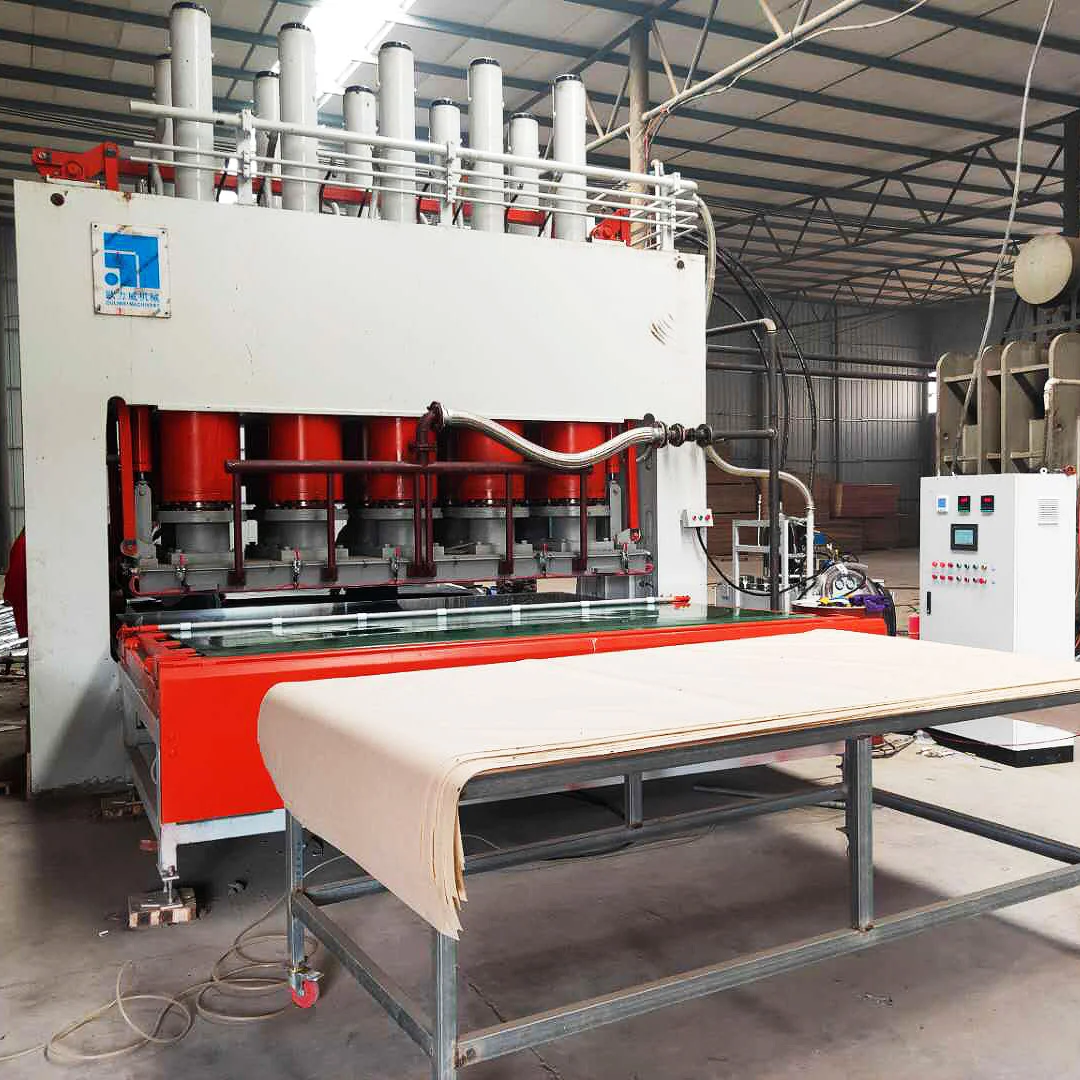
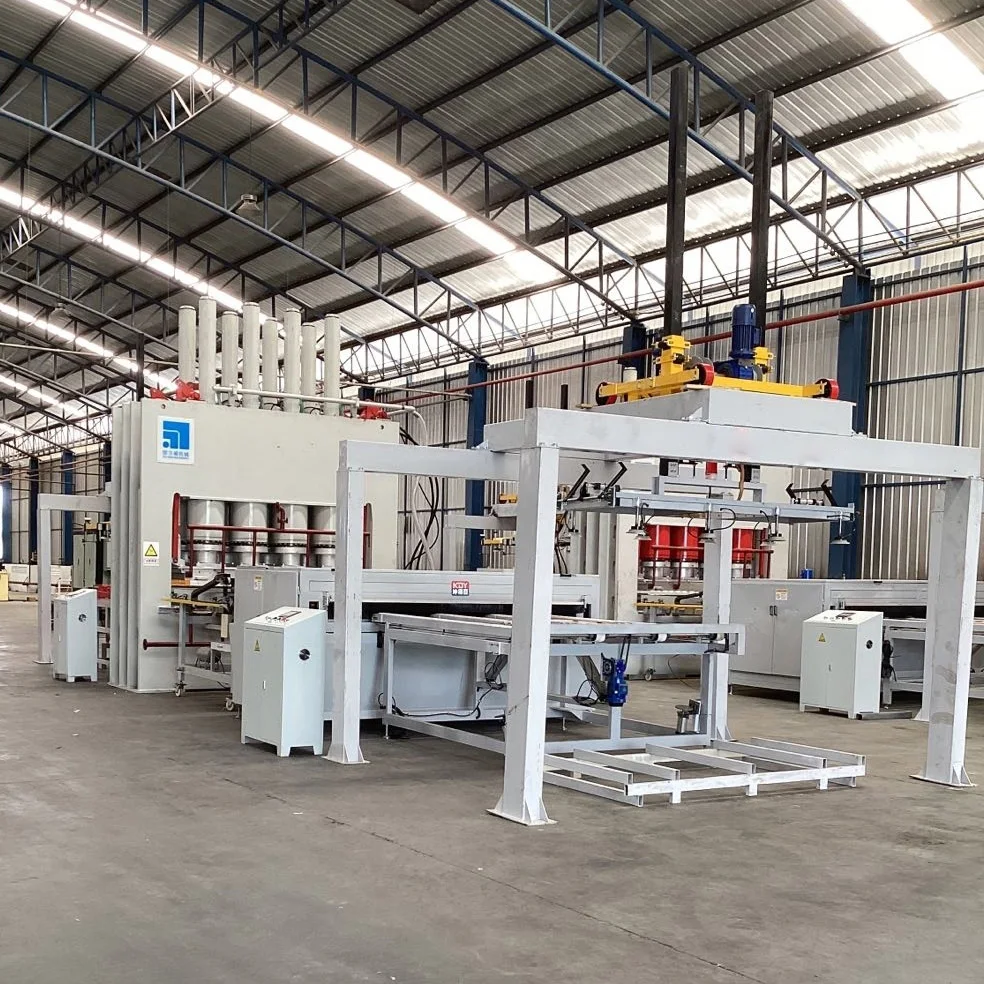
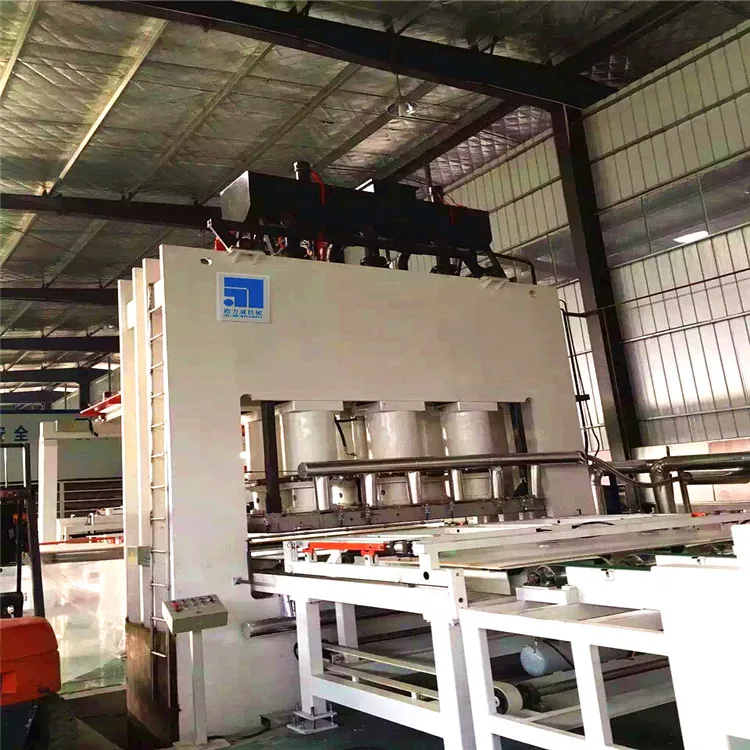
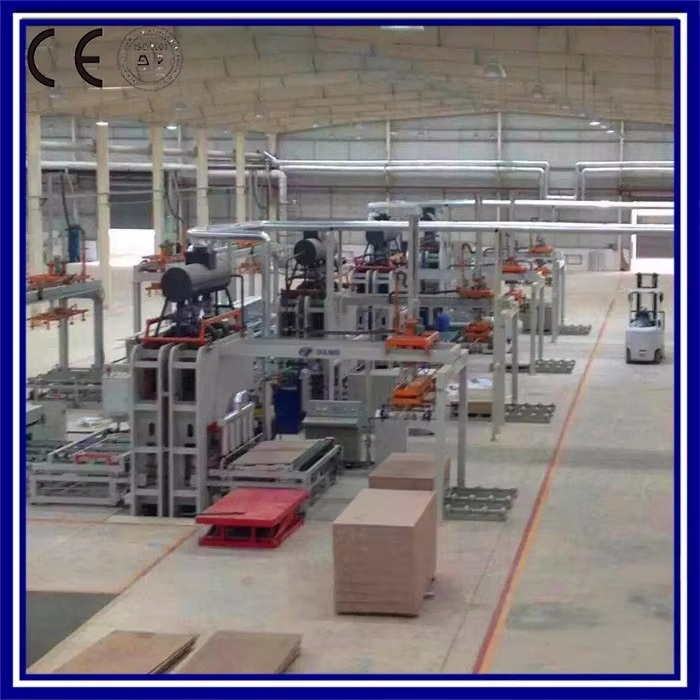
Today, Wuxi Ouliwei Machinery Manufacturing Co., Ltd., a professional laminating hot press manufacturer, explains how pressure fluctuations in a laminating hot press can affect product quality. Maintaining exceptionally precise, reliable, and remarkably stable pressure control is critically important for modern industrial manufacturing enterprises that strive to uphold consistently high production standards, significantly reduce expensive raw material waste, minimize daily operational costs, and effortlessly meet strict, rapidly evolving global market demands.
Pressure fluctuations during the lamination process have a significant impact on the quality of finished panels. As contemporary wood-based panel processing, engineered wood manufacturing, and industrial furniture production industries increasingly emphasize long-term operational consistency, structural durability, and highly efficient material utilization, thoroughly understanding these intricate mechanical and hydraulic variables becomes absolutely essential for optimizing factory workflows, enhancing workshop productivity, and boosting long-term corporate profitability. The main effects are reflected in the following aspects:
Affecting Panel Thickness Uniformity During the hot pressing process, excessive pressure fluctuations can result in uneven panel thickness. When the pressure is insufficient, the panel cannot be compressed adequately, causing certain areas to remain thicker than required. Conversely, excessive pressure may over-compress the panel, resulting in thinner sections. Uneven thickness not only affects the appearance of the finished product but may also reduce its mechanical strength and service life. Furthermore, these persistent inconsistent thickness profiles can lead to significant technical challenges during subsequent precision machining, calibrating, sanding, and final assembly stages, ultimately increasing overall material rejection rates, expensive rework costs, and unnecessary production overheads across the entire manufacturing facility.
Reducing Bonding Quality Adhesive performance is critical during the laminating hot press process. Pressure fluctuations directly affect the flow, transfer, thermal activation, and penetration of the adhesive, thereby influencing overall bonding quality. If the pressure is too low, the adhesive cannot fully penetrate the porous substrate, resulting in reduced internal bonding strength and potential delamination over time. If the pressure is too high, excessive adhesive may be squeezed out of the panel surface, causing local glue starvation or unsightly adhesive bleed-through, both of which can severely and negatively affect bonding performance. Proper pressure regulation ensures that the resin or glue layer achieves optimal thickness, uniform distribution, and complete surface coverage across the entire contact area, securing reliable long-term structural integrity.
Causing Panel Deformation and Warping Pressure instability may also lead to panel deformation and warping. Uneven pressure distribution during hot pressing creates inconsistent internal stress within the core and surface layers of the panel, increasing the likelihood of distortion and warping after pressing. These defects not only reduce the product’s visual quality but can also affect assembly accuracy and overall performance in practical applications. In severe cases, warped panels entirely fail to meet strict structural engineering requirements, rendering them completely unsuitable for high-end cabinetry, architectural wall panels, commercial furniture manufacturing, or specialized interior decoration projects.
Reducing Production Efficiency Pressure fluctuations can also have a negative impact on production efficiency. When pressure varies excessively, machine parameters must be adjusted frequently to restore stable operating conditions. This increases operational complexity and labor requirements while extending production cycles and reducing overall manufacturing efficiency. By minimizing unexpected equipment downtime, frequent calibration delays, and constant manual operator intervention, manufacturing facilities can achieve much smoother daily operations, faster output rates, and significantly better resource allocation across the entire workshop floor.
Optimization Recommendations To minimize the negative impact of pressure fluctuations on product quality and enhance overall manufacturing reliability across your facility, the following professional measures are strongly recommended:
Upgrade and Use a high-precision hydraulic system to ensure stable pressure control and minimize pressure variation. Implementing advanced hydraulic technology provides superior responsiveness and ensures that clamping forces remain uniformly distributed throughout the entire pressing cycle, thereby safeguarding uniform output.
Optimize the hot pressing process curve by setting appropriate pressure ramp-up, holding, and pressure release stages according to the specific characteristics of the material, avoiding sudden pressure changes. Tailoring these technical parameters helps accommodate different core board densities, surface overlays, and adhesive formulations with maximum precision while preventing sudden mechanical shocks.
Perform regular equipment maintenance by thoroughly inspecting hydraulic components, valves, and sealing elements to prevent pressure loss caused by hydraulic fluid leakage. Routine preventive checks help extend the operational lifespan of critical machinery parts and maintain consistent press performance over extended operational periods.
Adopt a closed-loop control system that continuously monitors pressure through high-sensitivity sensors and automatically adjusts system output to improve overall pressure control accuracy. This proactive automation approach allows operators to detect minor pressure deviations early, adjust parameters in real time, and maintain reliable, repeatable production standards across every single operational shift. By incorporating these comprehensive preventative strategies into daily factory protocols, industrial facilities can significantly enhance their manufacturing capabilities, protect profit margins, minimize costly material wastage, and consistently deliver superior finished wood panels to satisfied customers worldwide. Implementing these industry best practices also ensures smoother compliance with international quality standards.
 Hot News
2026-07-13
2026-07-11
2026-07-10
2026-11-20
2026-11-16
2026-11-10


 EN