EN




What Advantages Decorative Panel Laminating Machine Has In Custom Production
Custom furniture, wall-panel, flooring, and cabinet programs place a different demand on production equipment than long runs of one décor. A decorative panel laminating machine has to help a factory move from one panel size, paper design, or order mix to the next without turning every change into a quality gamble. From the standpoint of a production team working around a short-cycle line, that is where the value becomes visible: during warm-up, paper alignment, recipe checks, and the first boards after a changeover—not only on a quotation sheet.
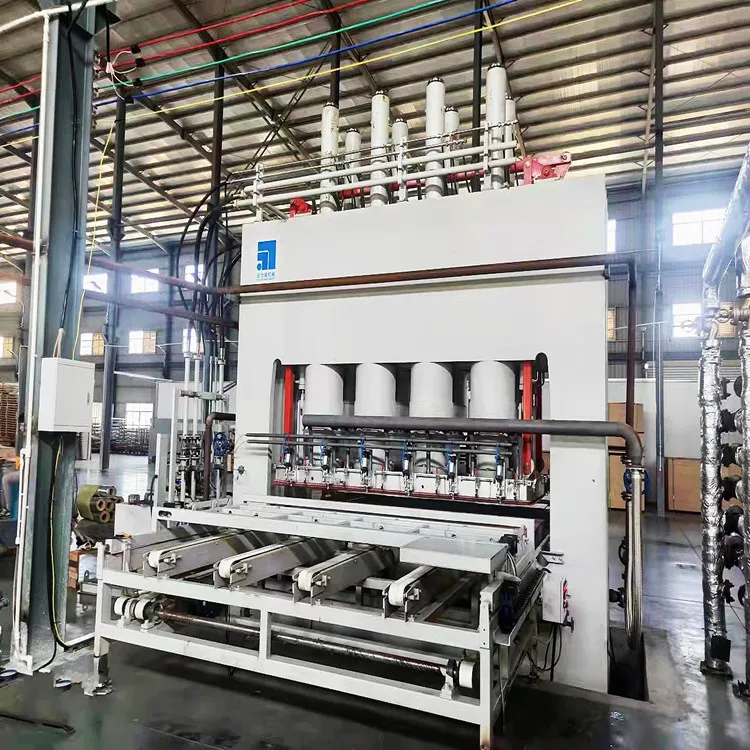
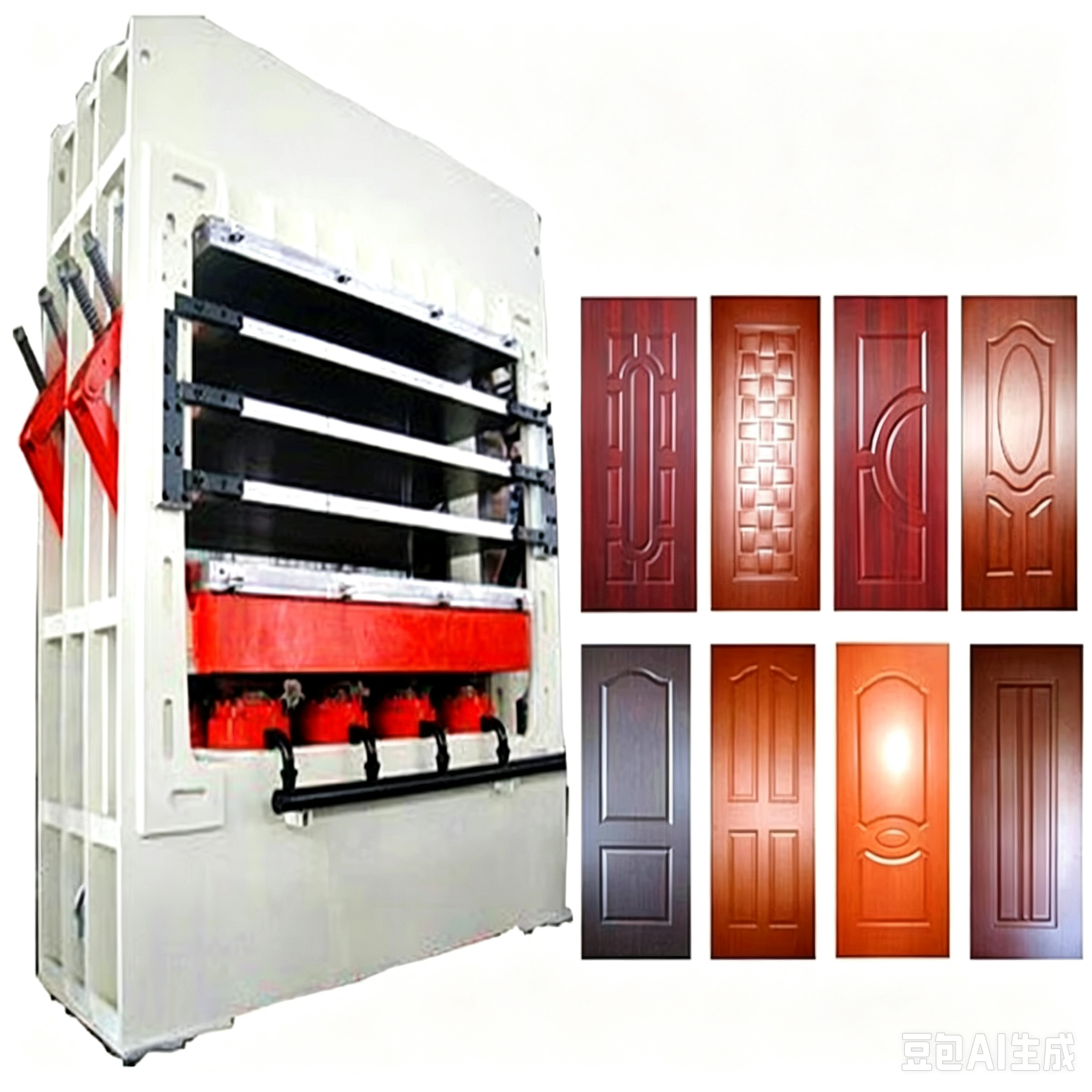
For producers that laminate melamine paper onto MDF, HDF, particle board, or plywood, the machine is part of a controlled process. Heat and pressure cause the melamine-formaldehyde resin in the paper to flow and form a hard finish on the board. That basic principle makes repeatability important. A well-selected decorative panel laminating machine gives custom manufacturers a more dependable way to protect surface appearance while accommodating a varied order book.
It makes variation more manageable
Custom production rarely means one board type all day. It can mean different dimensions, décor papers, textures, substrate grades, or customer specifications within the same week. The advantage of a decorative panel laminating machine is not simply that it applies a surface layer; it gives the line a repeatable sequence for setting temperature, pressure, cycle timing, and material handling for each approved recipe.
An automatic panel laminating machine can reduce the number of manual touchpoints around loading, positioning, and cycle control. That does not remove the need for trained operators. It does make the intended process easier to repeat after a shift change or a planned product switch. For a custom producer, repeatability is often more useful than a headline throughput figure, because a visually inconsistent first batch can consume the time saved elsewhere.
It supports a more consistent decorative surface
Surface quality is where process control becomes commercial value. Décor panels are inspected closely for color consistency, texture definition, edge condition, and defects that show up under raking light. A decorative panel laminating machine helps the team manage the production conditions behind those visual outcomes: platen temperature behavior, pressing pressure, dwell time, and panel positioning.
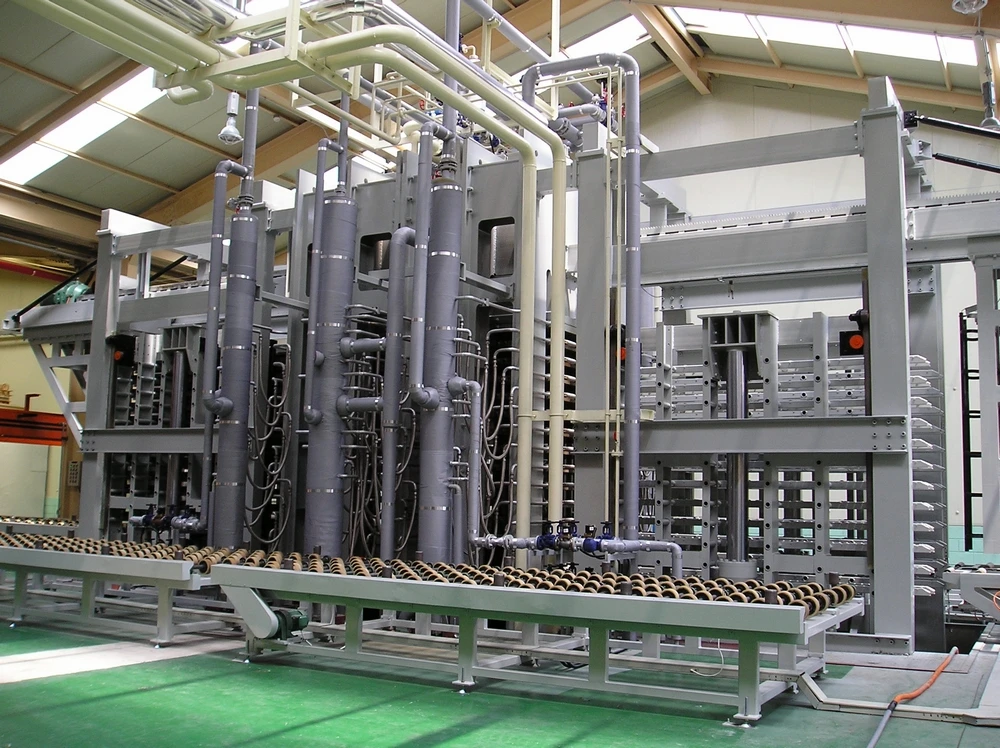
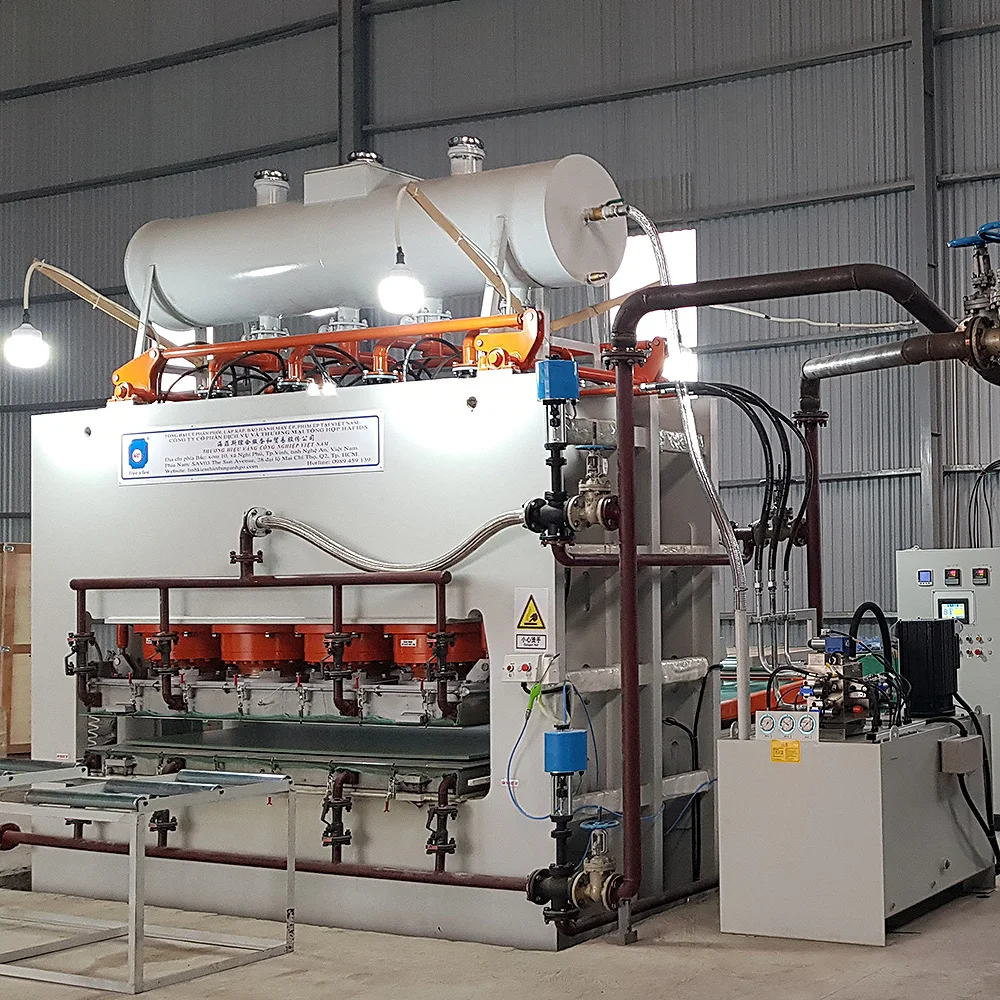
At first glance, short-cycle lamination lines can appear interchangeable. Daily operation reveals a more practical distinction: heating-circuit design and the evenness of heat distribution affect how consistently the process behaves across the platen. Uniform substrate temperature before pressing is also a widely recognized quality principle in lamination. That is why custom-production buyers should ask how the heating system is configured for their board format and process, rather than comparing only the stated press tonnage.
A heating-oil system mismatch is a useful cautionary example. If circulation capacity and the real circuit layout are not checked together, uneven temperature readings can become an operating problem from the first days of production. The point is not that every line will encounter this issue; it is that an equipment evaluation should include the complete thermal system, controls, and commissioning plan.
Automation can improve changeover discipline
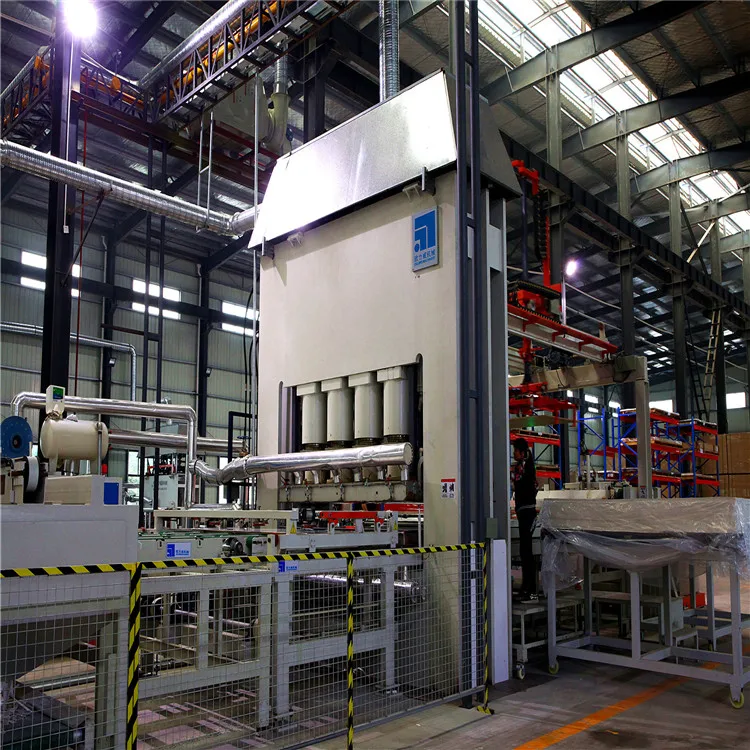
In a custom environment, an automatic panel laminating machine is most valuable when its automation supports disciplined transitions between jobs. Functions such as controlled loading, aligned material movement, repeatable cycle sequences, and accessible recipe management can help operators start a new order with fewer avoidable variables.
The more useful question is which process the automation stabilizes, rather than whether the equipment simply carries an automatic label. A factory should clarify which steps remain manual, how operators verify a new décor paper and board combination, and how the line records or recalls approved settings. This approach helps distinguish useful automation from features that do not address the factory’s actual bottleneck.
- Fewer handling variables: controlled movement can support steadier panel positioning and paper alignment.
- Clearer operating routines: defined sequences make shift handovers and new-job checks easier to train and audit.
- More predictable start-up: operators can focus on verifying the first boards rather than rebuilding every setting from memory.
- Better use of mixed schedules: a consistent operating method makes smaller custom lots less disruptive to the rest of the plan.
It connects equipment choice to downstream customization
The saleable value of a decorative board is created after pressing as well as during pressing. Furniture and cabinet makers need surfaces that can move through cutting, edging, assembly, and installation while still presenting the intended décor. For wall panels and flooring components, visual continuity matters across multiple pieces. A decorative panel laminating machine therefore supports customization when it helps the producer deliver a surface that is stable enough for the downstream workflow.
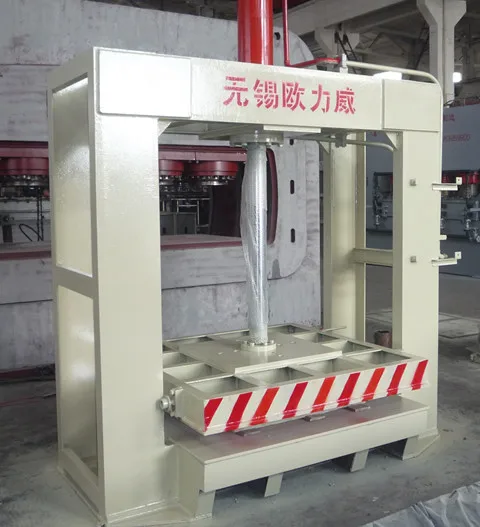
Some buyers reasonably prioritize a well-known machine brand because an established service network matters. That is a valid decision. For a producer whose products, locations, or response expectations differ, the calculation should also include the supplier’s category focus, commissioning support, spare-parts planning, and ability to discuss the actual lamination process. Wuxi Ouliwei Machinery Manufacturing Co., Ltd. focuses on melamine lamination equipment, including short-cycle lines, melamine press machines, and impregnation equipment, rather than presenting itself as a general-purpose machinery supplier.
It gives buyers a more useful specification checklist
Custom producers can gain more from a supplier discussion when they frame the project around production evidence instead of broad claims. Before selecting a decorative panel laminating machine, build the discussion around the materials and conditions the factory will really run.
- Map the product mix. List panel sizes, substrate types, décor papers, textures, planned lot sizes, and expected changeover frequency.
- Review the thermal process. Ask how heating, temperature sensing, circulation, and warm-up procedures relate to the required platen conditions.
- Define the automation boundary. Identify which loading, alignment, recipe, and inspection tasks are automated and which remain operator controlled.
- Plan acceptance checks. Agree on the first-board checks, surface criteria, and commissioning support needed for the intended panel program.
- Discuss service continuity. Clarify recommended spares, training, fault-response expectations, and how critical components will be supported over time.
Conclusion: the advantage is controlled flexibility
The central advantage of a decorative panel laminating machine in custom production is controlled flexibility. It gives a manufacturer a structured way to run varied décor-panel work while protecting the conditions that shape bonding and surface consistency. An automatic panel laminating machine can strengthen that advantage when its automation matches the real workflow, not just a feature list.
For factories producing melamine-faced boards for furniture, cabinets, flooring, wall panels, or whole-house customization, the strongest selection decision connects machine configuration to the product mix, thermal process, operator routine, and support plan. That is how a laminating line becomes a practical production asset rather than an isolated piece of equipment.
 Hot News