
 EN




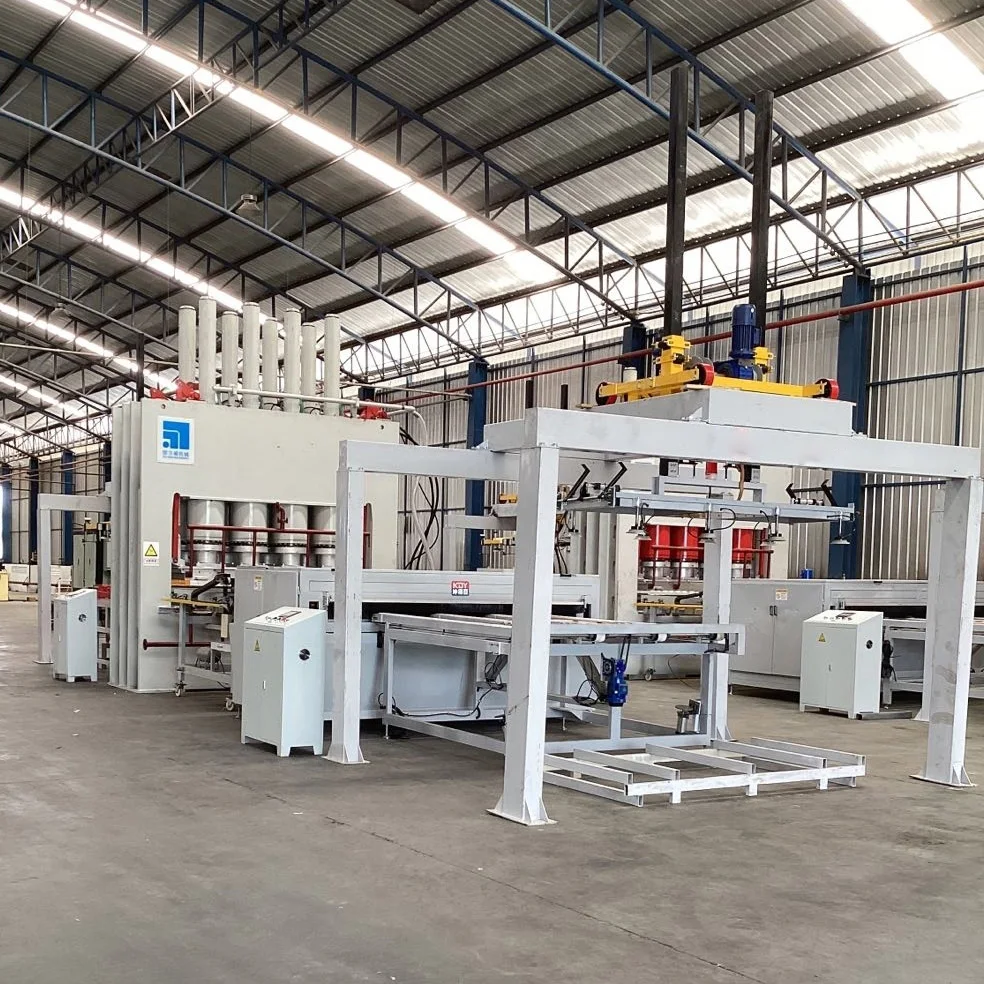
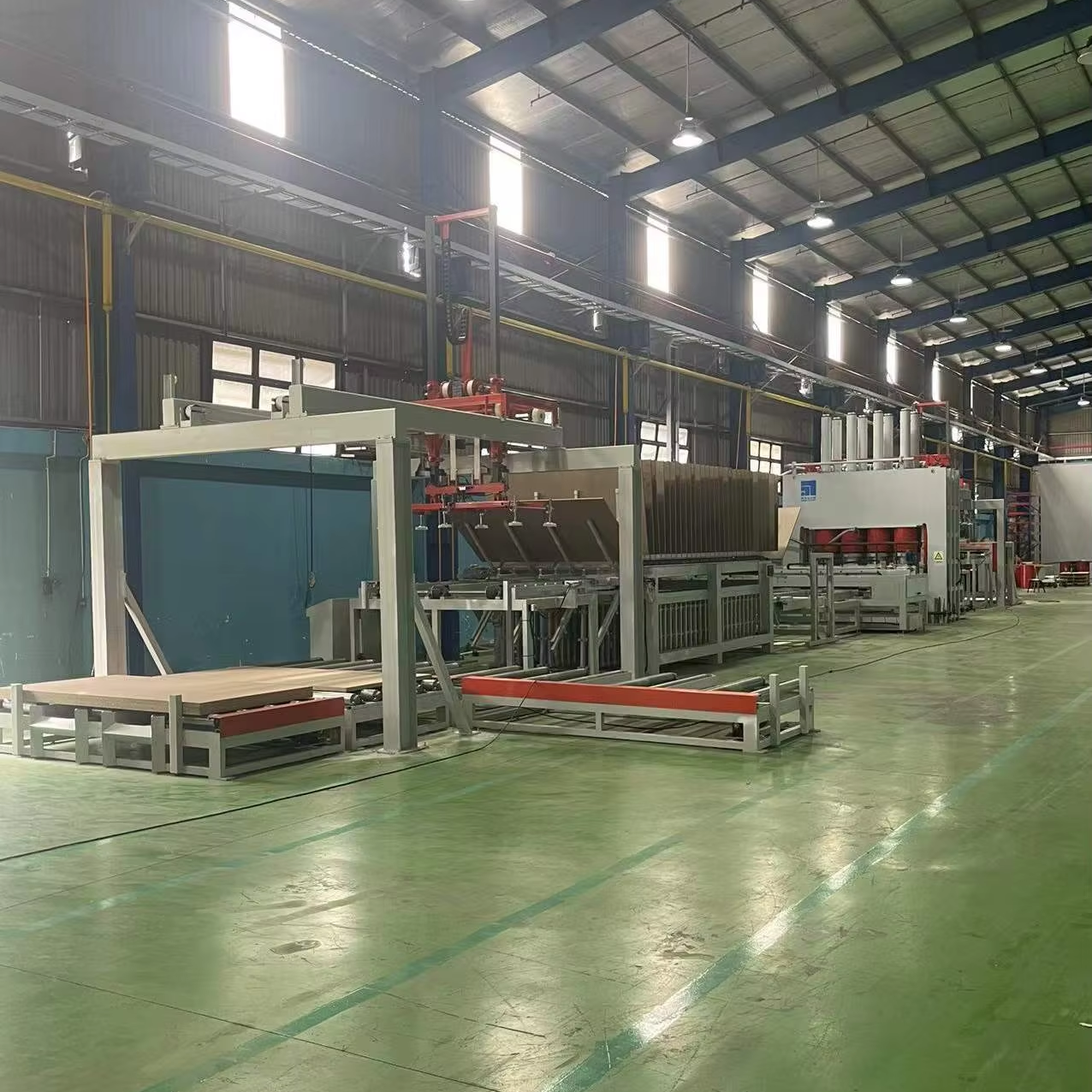
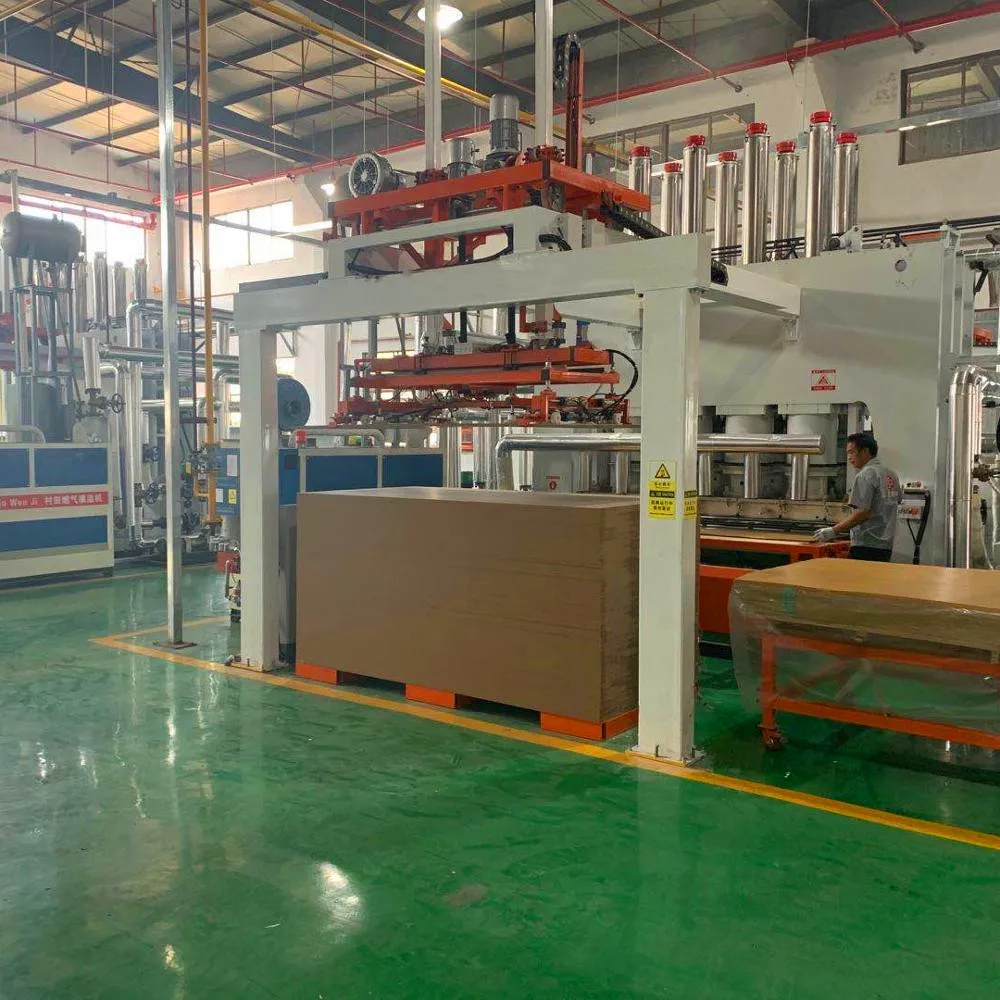
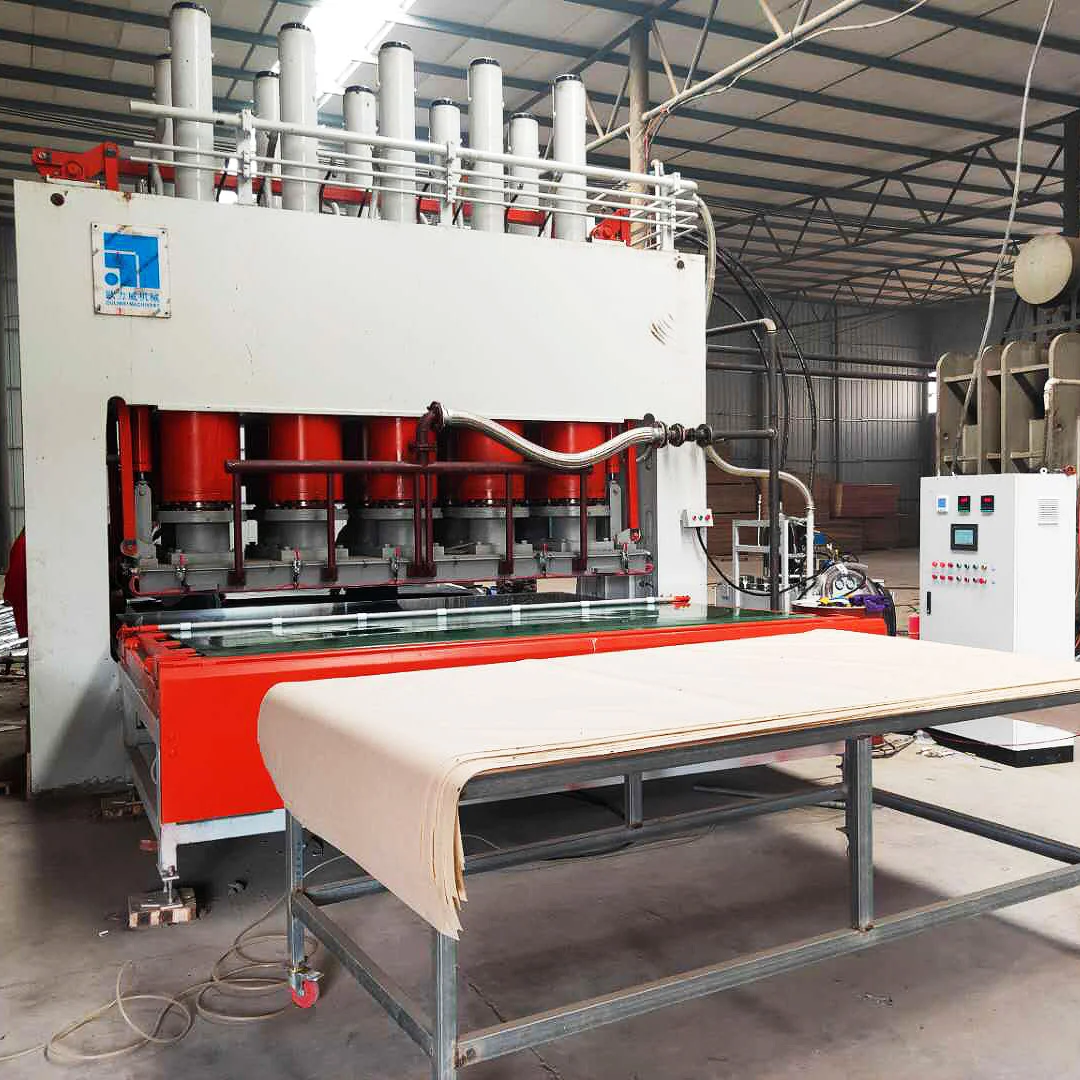
NYJ 1200-6000T series of fast veneering hot press machine production line are widely used in veneering surface decoration patterns of furniture board, wall board, flooring board, common ones are melamine surface for MDF/HDF, Particle board, plywood and so on. This series is engineered to provide wood-processing manufacturers with a versatile and reliable method for high-pressure lamination and surface finishing. By leveraging advanced thermal regulation and pressure application techniques, the system ensures uniform bonding across the entire surface area of the panels, which is critical for meeting the aesthetic and durability standards required in modern interior design and furniture manufacturing.
Simple production line, low investment, saving space, saving operators,and add board-cooling machine to solve board bending deformation problem. The architectural design of this production line emphasizes streamlined efficiency, allowing factory owners to optimize their floor space while maintaining high output capacities. By simplifying the structural layout, maintenance requirements are reduced, and the operational complexity is minimized, which allows personnel to focus on quality control rather than cumbersome machine adjustments.
One of the core technical advantages of the NYJ 1200-6000T series is its capability to handle varying degrees of production throughput. With a pressure range extending from 1200 to 6000 tons, the machine accommodates diverse materials, ranging from thin decorative foils to robust melamine-impregnated papers, providing flexibility for manufacturers serving different market segments. The hydraulic system is designed for quick pressure buildup and precise maintenance, ensuring that the veneering process is consistent from the first board to the last. This hydraulic precision is fundamental in preventing uneven surface textures or peeling edges, which are common quality issues in lower-tier machinery. By maintaining stable pressure cycles, the machine ensures that decorative layers bond securely to the substrate, preventing air pockets and delamination in the finished product.
The incorporation of an advanced board-cooling machine directly addresses a common challenge in the wood-based panel industry: structural instability post-pressing. During high-temperature pressing, boards often experience internal stress due to moisture evaporation and thermal expansion differences between the core and the surface layers. When boards are removed from the press and cooled unevenly, they tend to bend or warp. The integrated cooling station operates as a post-pressing stabilizer, controlled to slowly normalize the board temperature. This process allows the adhesive to cure completely while the board remains in a flat position, significantly reducing the probability of deformation and ensuring that the final products meet stringent flatness standards for flooring and furniture assembly. By stabilizing the panels immediately after lamination, manufacturers can significantly reduce waste and the costs associated with rejected, deformed materials, thereby maximizing the usable yield from each batch of raw board.
Beyond technical performance, the production line is designed with modern manufacturing principles in mind, focusing on energy efficiency and material conservation. The heating plates are engineered for rapid heat transfer, which shortens the cycle time and reduces overall energy consumption per board. By automating key phases of the veneering process, manufacturers can improve production consistency while reducing labor-intensive manual handling steps, which promotes a safer and more predictable work environment. The control interface is designed to be intuitive, enabling operators to store various production parameters such as pressure intensity, heating duration, and temperature setpoints, which simplifies the transition between different material types and thicknesses. This digital oversight ensures that every production run is executed under optimal conditions, reducing the reliance on manual skill and minimizing errors.
For furniture board manufacturers, the system enables the application of high-quality melamine surfaces on MDF, HDF, and particle board, which are essential for creating durable, scratch-resistant, and aesthetically pleasing home furnishings. The ability to switch between different decorative patterns and textures quickly allows for a wider product variety without necessitating extensive downtime or complex machinery recalibration. This flexibility is vital in responding to the fast-moving trends of the furniture market, where color palettes and surface textures evolve rapidly.
In the context of wall board and flooring production, the NYJ 1200-6000T series provides the required bonding strength for high-traffic environments. Whether creating wood-grain textures or solid-color finishes, the pressure distribution is fine-tuned to maintain the integrity of the surface decorative layer without compromising the board core. The system’s versatility makes it a practical solution for companies aiming to expand their product catalog or scale their operations to meet regional demand. Furthermore, the structural durability of the frame ensures that it can withstand the repetitive stress of high-pressure cycles over long periods, maintaining operational integrity even in continuous, multi-shift production environments.
Maintenance and long-term reliability are also prioritized in the design. The system features accessible service points and modular components, allowing for routine inspections and part replacements without requiring specialized, time-consuming interventions. By minimizing unscheduled downtime, the production line supports a steady, predictable flow of output, which is essential for meeting tight delivery schedules. The use of robust hydraulic seals and durable heating elements further enhances the machine’s longevity, protecting the manufacturer’s initial capital investment and providing a stable foundation for years of production.
Additionally, the production line is designed with an emphasis on workplace safety. Multiple emergency stop mechanisms, protective barriers, and automated sensors are integrated to monitor the operational environment constantly. These safety protocols help to create a secure setting for the operators, complying with essential industrial standards while streamlining the loading and unloading processes. The reduction in physical strain for workers, combined with the automated handling features, underscores the focus on creating a human-centric production environment.
Furthermore, the investment profile of the NYJ 1200-6000T series is structured to support sustainable business growth. By offering a cost-effective path to professional-grade veneering, it provides a viable entry point for small to mid-sized woodworking businesses, while its modular architecture allows for future capacity upgrades as the company scales its production demands. Our commitment to supporting manufacturers includes comprehensive technical guidance, ensuring that operators can efficiently manage the production line, perform routine maintenance, and troubleshoot common issues without significant downtime. We emphasize the importance of continuous improvement, providing resources that help users optimize their production settings for different material types and adhesive technologies.
As an essential component of modern panel processing, the NYJ 1200-6000T series combines mechanical reliability with process-oriented design. The integration of cooling, high-tonnage pressure, and compact structural planning enables wood-processing companies to achieve a balance between manufacturing cost, production speed, and output quality. By choosing this production line, manufacturers invest in a system that respects the technical realities of wood physics, addresses the critical need for flatness, and supports long-term operational viability in the competitive global market for wood-based products. This solution is designed to harmonize with the demands of modern woodworking, where precision, speed, and cost-efficiency define the path to success in a globalized industrial landscape.

