EN




How Density Board Laminating Machine Improves MDF Board Performance
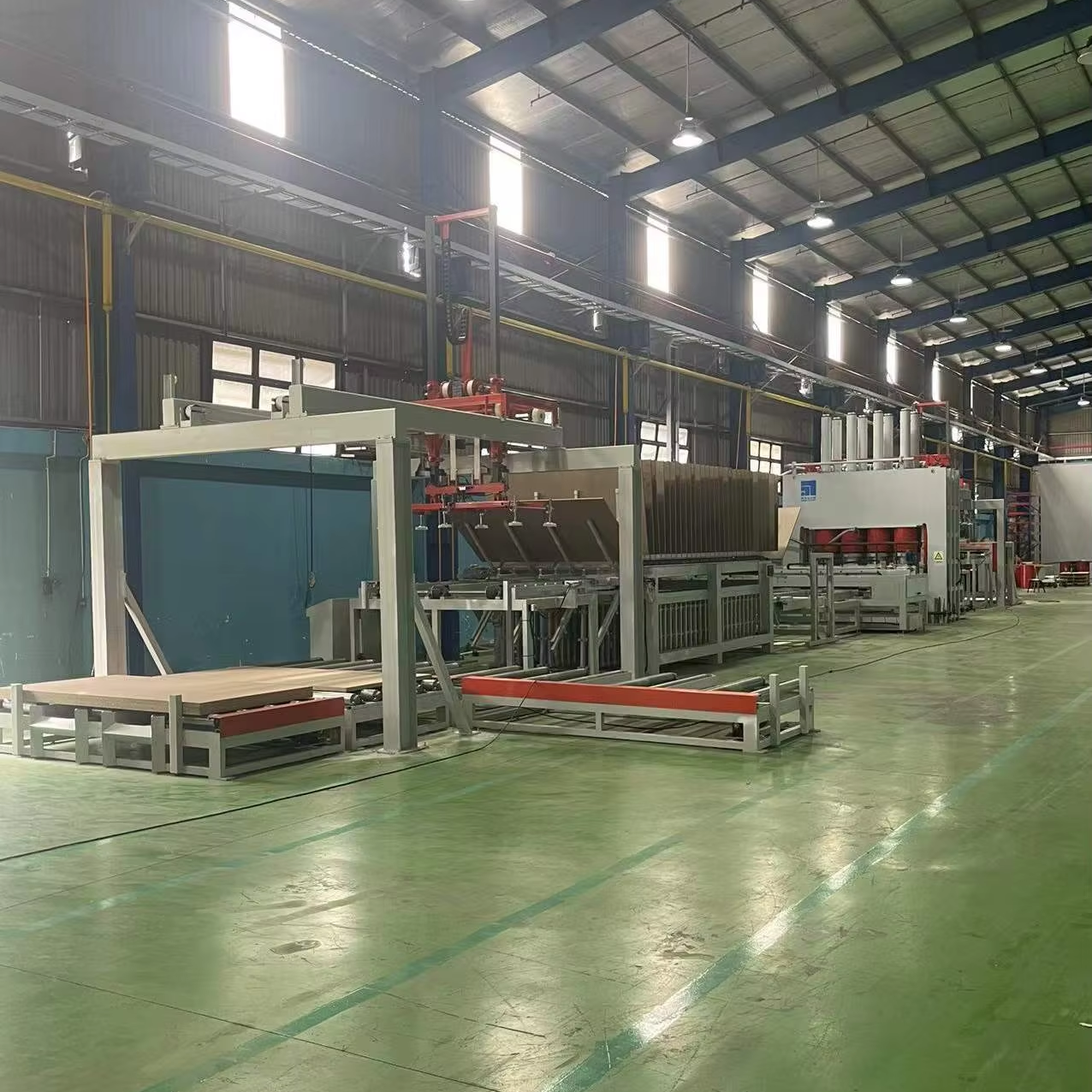
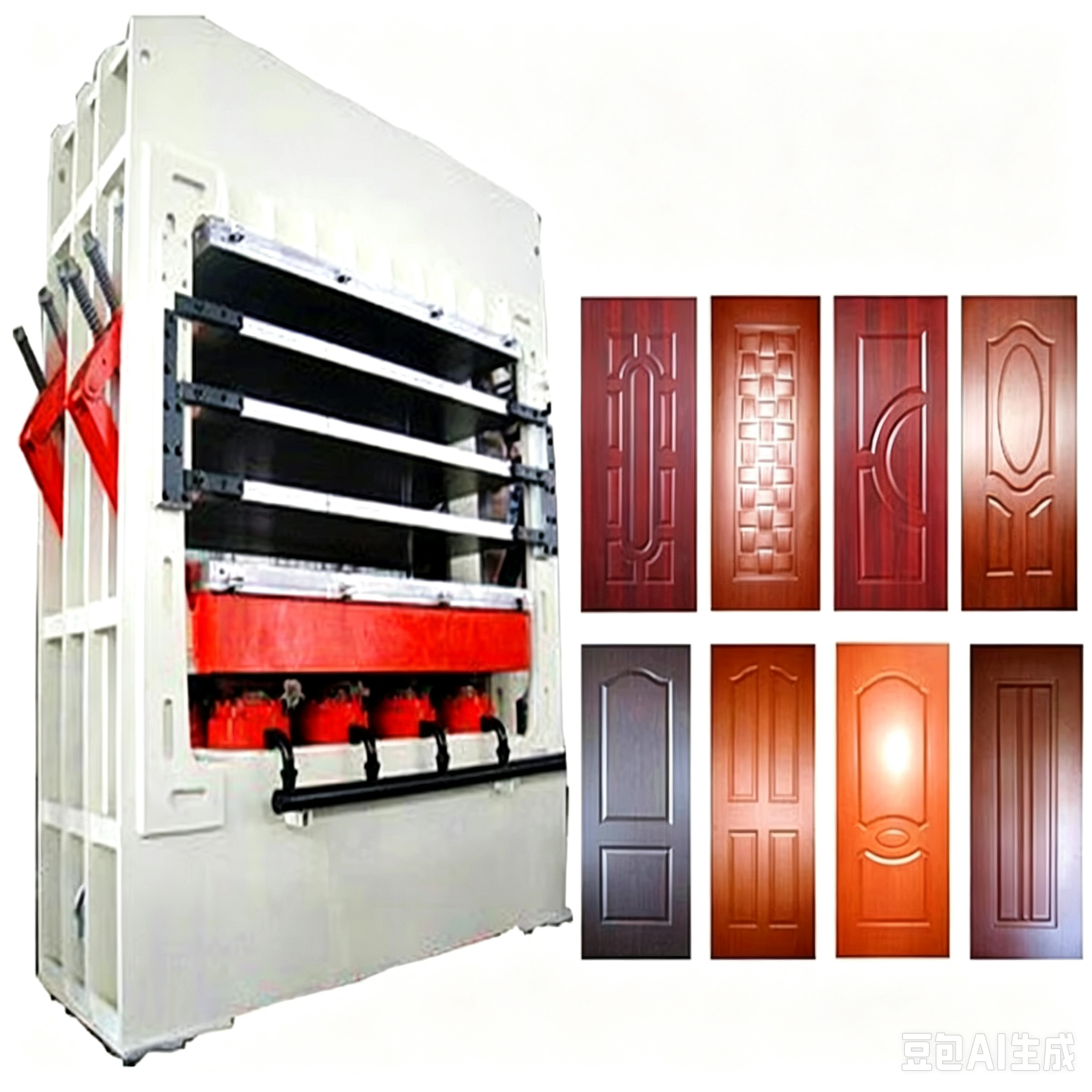
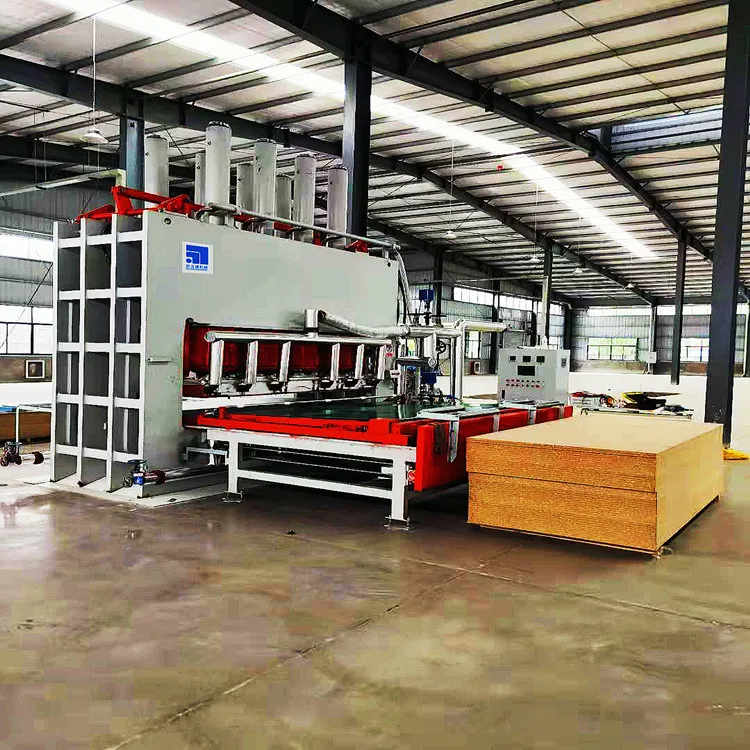
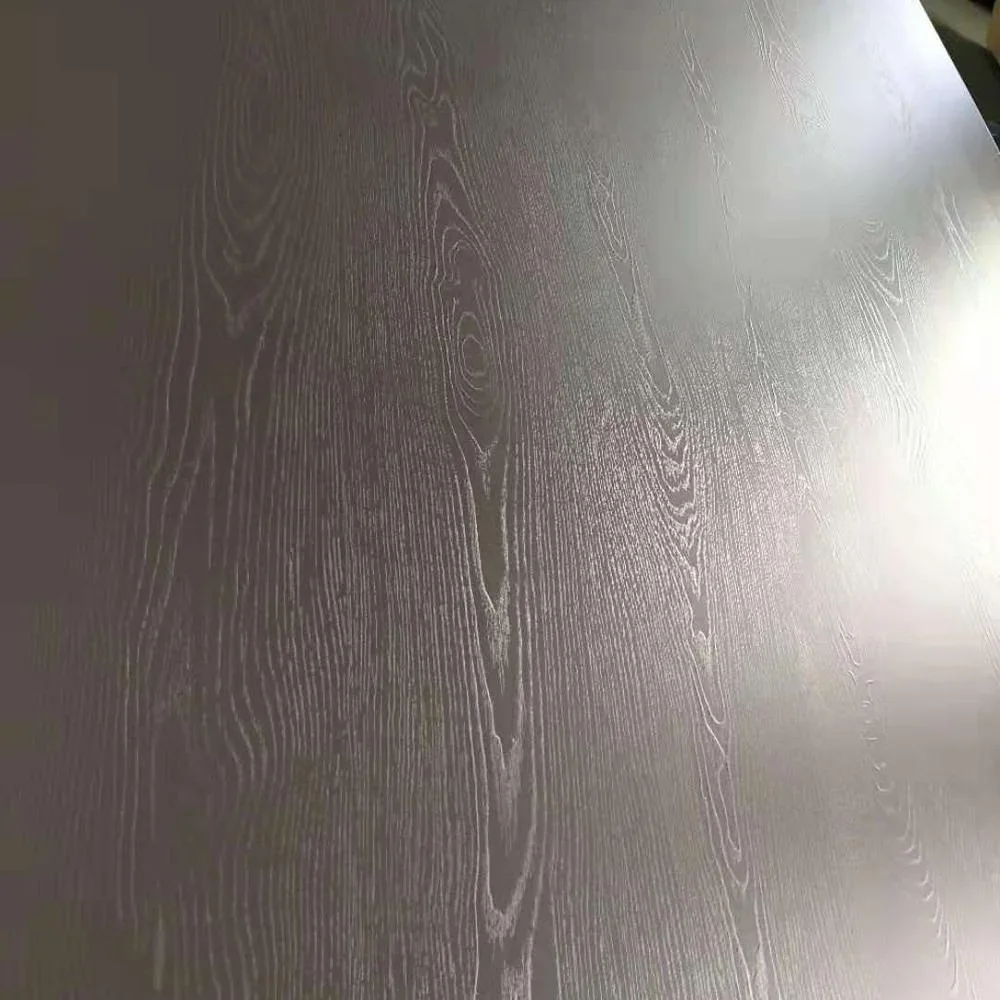
When assessing a density board laminating machine from a quality-control standpoint, the focus shifts from headline press capacity to the surface consistency buyers can see and use. MDF can look acceptable before lamination yet reveal weak adhesion, uneven gloss, edge defects, or texture variation after pressing. A well-matched density board laminating machine helps control the conditions that turn melamine-impregnated paper and MDF into a dependable finished panel.
The first thing many buyers ask about is press tonnage. It matters—up to a point. For laminated MDF, the more useful question is whether the density board laminating machine can maintain even heat, pressure, and timing across every board in the production sequence. That is where finished-board performance is won or lost.
Why the Lamination Stage Changes MDF Performance
MDF provides a smooth, machinable core, but its finished performance depends heavily on the decorative surface layer and the bond beneath it. During hot pressing, the resin in the paper must receive the right combination of heat, pressure, and dwell time. A density board laminating machine brings those variables together in a repeatable process instead of leaving results to operator adjustment or isolated spot checks.
Research on MDF surface lamination has used conditions around 190 ± 5°C, pressure up to 35 kg/cm², and two minutes of hot pressing. Those figures are useful context, not universal machine settings. Paper weight, resin formulation, board thickness, moisture condition, and production speed all affect the correct recipe. The practical value of a density board laminating machine is its ability to hold the selected recipe consistently once a factory has validated it for its own materials.
More Even Heat Supports a More Consistent Surface
Platen temperature uniformity is central to a stable board surface laminating machine process. If one zone runs cooler than another, resin cure can vary across the panel. The center may look acceptable while corners or edges show lower gloss, incomplete bonding, or visual inconsistency. A density board laminating machine with a properly designed heating system and monitored platen conditions helps reduce this process variation.
Think of the heating plate like a stove burner: a burner hot in the middle but cool at the edges cannot cook evenly, regardless of its maximum heat. In the same way, a density board laminating machine must distribute usable heat across the full platen, not merely reach a high displayed temperature. During line acceptance and routine maintenance, factories should verify readings at multiple platen positions rather than relying on one central indicator.
Balanced Pressure Helps Protect Adhesion and Appearance
A density board laminating machine applies pressure to consolidate the paper, resin, and board surface. Pressure that is too low can leave incomplete contact; pressure that is uneven can produce localized defects even when the average setting appears correct. The relevant check is not simply peak force. It is how evenly that force reaches the board through platen flatness, hydraulic stability, and controlled closing behavior.
This matters for furniture panels, flooring components, wall panels, cabinet parts, and customized interior boards, where surface appearance is part of the product value. A board surface laminating machine should therefore be evaluated for pressure distribution and repeatability, not only for the number printed on the press specification sheet.
Stable Cycles Make Quality Easier to Repeat
Faster cycles are attractive, but a shorter cycle is not automatically a better cycle. Resin chemistry sets a minimum dwell time below which cure and adhesion can suffer. A density board laminating machine improves MDF board performance when its controls make cycle time stable enough to support the validated curing process, including loading, pressing, holding, decompression, and unloading.
If production uses a narrow range of paper types and board thicknesses, a fixed recipe can work well. If frequent changeovers are common, the calculation changes. In that situation, the ability to set, document, and reproduce distinct process recipes becomes especially important for a density board laminating machine. It reduces the temptation to make informal adjustments that create shift-to-shift surface variation.
Controlled Operation Can Reduce Avoidable Rework
Not every reject is caused by the press, of course. Board condition, paper storage, resin treatment, and handling before the press all influence the result. Still, a density board laminating machine gives the production team a controlled point where they can identify whether heat, pressure, or time is drifting away from the approved window.
In practice, the first sign of a temperature or circulation issue may appear in corner zones rather than in the board center where routine inspection is often concentrated. Recording defects by position, paper lot, recipe, and shift helps operators determine whether a density board laminating machine needs a maintenance check or whether the issue began upstream. That approach is more useful than treating all surface defects as a generic material problem.
What to Check When Selecting a Density Board Laminating Machine
- Platen temperature control: Ask how temperature stability and uniformity are verified across the working surface.
- Pressure distribution: Review platen flatness, hydraulic control, and the method used to confirm balanced pressure.
- Recipe management: Confirm that the density board laminating machine can reproduce approved settings for your paper, resin, board thickness, and target finish.
- Changeover needs: Match automation and control complexity to the number of decorative papers and board formats your plant actually runs.
- Maintenance access: Check access to heating, hydraulic, electrical, and wear components before finalizing the configuration.
Turning Machine Capability into Better MDF Boards
A density board laminating machine does not improve every MDF board by itself; it gives a factory the process control needed to improve results consistently. The appropriate configuration depends on material choices, required throughput, surface finish, and the level of changeover in daily production. For a stable product mix, disciplined temperature, pressure, and cycle control can make a measurable difference in surface consistency. For a varied product mix, repeatable recipes and practical verification points become even more valuable.
Wuxi Ouliwei Machinery Manufacturing Co., Ltd. focuses on short-cycle lamination equipment for melamine paper applications on MDF, HDF, particle board, and plywood. When reviewing a density board laminating machine, start with the board-quality outcome you need, then work backward to the control, platen, and operating requirements that support it. That is a stronger basis for specification than choosing solely by tonnage or nominal speed.
 Hot News