EN




HDF Flooring Laminating Machine Technical Role in High Density Floor Quality
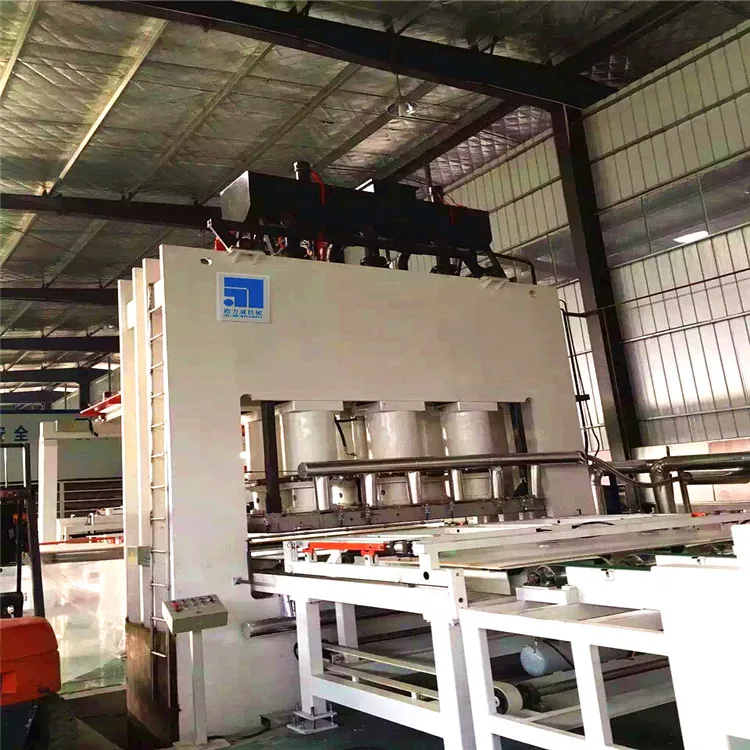
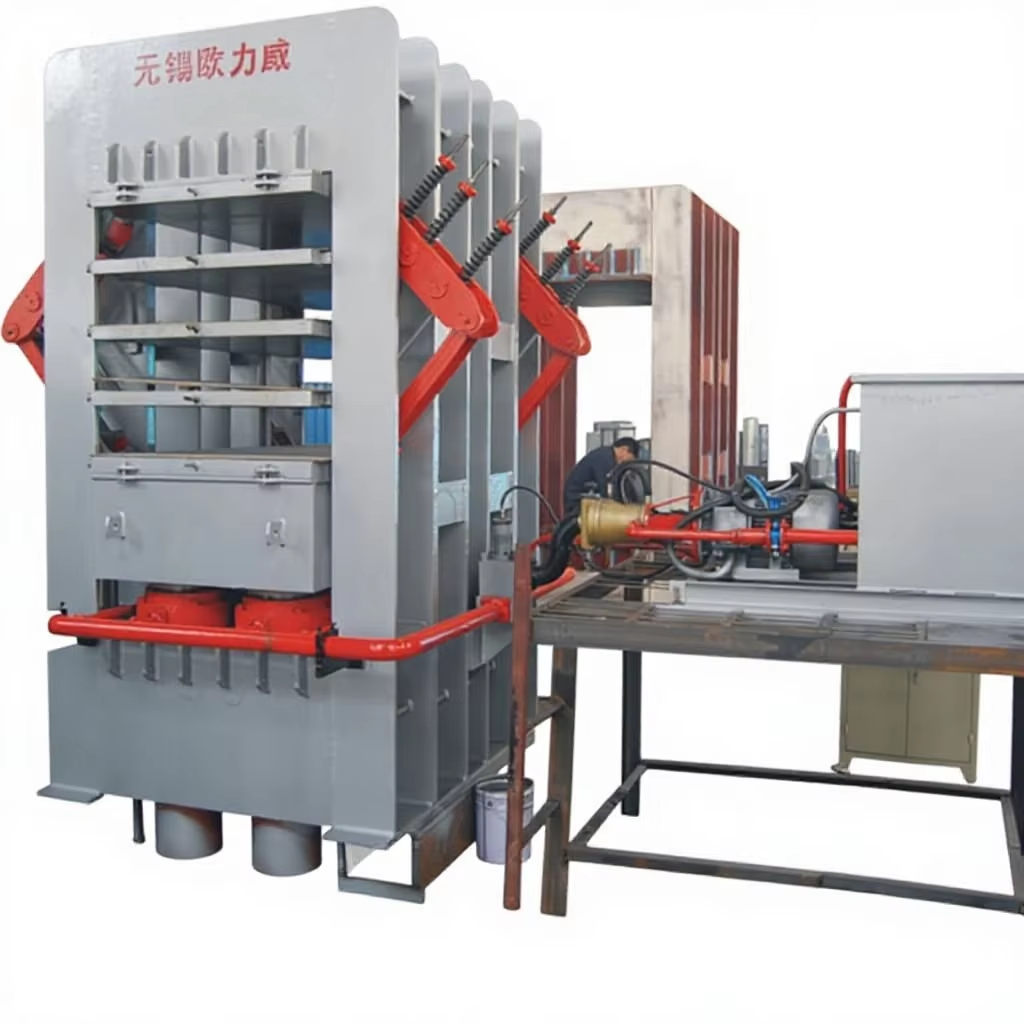
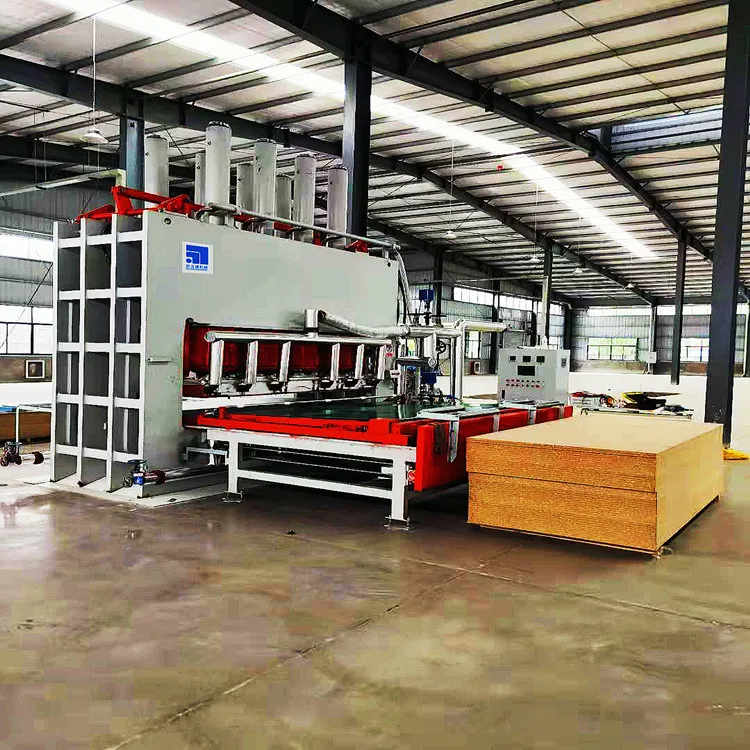
High Density Fiberboard (HDF) serves as the core structural foundation for modern laminate flooring, featuring a typical core density range between 850 kg/m3 and 950 kg/m3. Maintaining structural stability across this dense core requires precise thermal pressing parameters during decorative surface bonding. A specialized HDF flooring laminating machine applies controlled thermal energy and uniform mechanical hydraulic pressure to cure melamine resin-impregnated papers onto both top and bottom surfaces of the board simultaneously.
When the HDF flooring laminating machine operates, the press cycle cures the thermosetting resin within seconds, establishing a high-strength bond line that protects against internal delamination, surface telegraphing, and moisture penetration. Using an optimized HDF flooring laminating machine ensures that high density floor quality meets strict international standards such as ISO 24334 for mechanical joint locking strength and EN 13329 for wear and impact resistance.
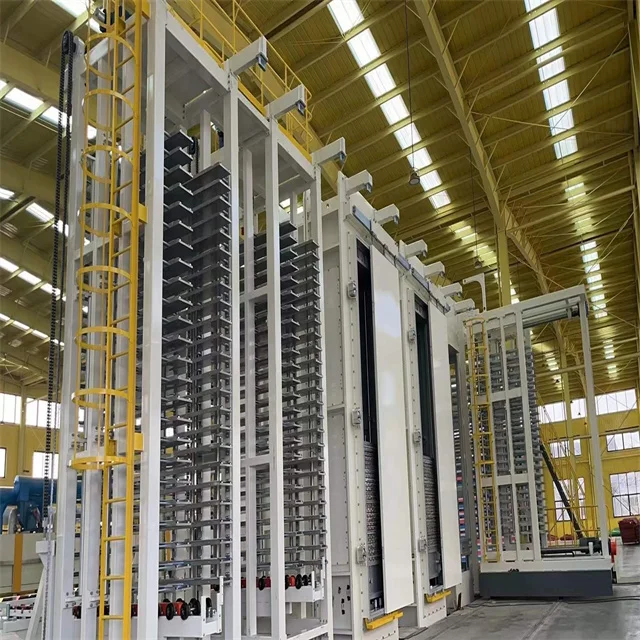
In automated laminate production lines engineered by manufacturers like Wuxi Ouliwei, short cycle hot press systems deliver rapid pressure build-up and tight temperature uniformity. Proper machine synchronization prevents micro-void formation within the resin matrix, ensuring that the finished high density floor quality exhibits high dimensional stability under fluctuating ambient humidity.
| Processing Parameter | Standard Setting Range | Impact on High Density Floor Quality |
|---|---|---|
| Hydraulic Specific Pressure | 3.5 - 5.0 MPa | Prevents core void formation & ensures resin penetration |
| Hot Platen Temperature | 190°C - 210°C | Controls melamine resin curing rate & surface hardness |
| Press Cycle Time | 14 - 22 seconds | Determines output efficiency & cross-linking density |
| Platen Surface Flatness | ±0.05 mm/m | Eliminates localized surface telegraphing defects |
Heat Transfer and Hydraulic Pressure Dynamics in HDF Laminating
The mechanical interaction between hot platens and high density fiberboard dictates overall board structural integrity. An industrial HDF flooring laminating machine relies on multi-cylinder hydraulic configurations to distribute tonnage evenly across the entire surface area. If pressure drops by even 0.3 MPa along the board perimeter, the melamine resin fails to fully penetrate the surface fibers, leading to edge peeling defects during profiling.
A high-performance HDF flooring laminating machine utilizes solid forged steel heating platens with internal thermal oil channels arranged in a multi-pass flow pattern. This structural design holds temperature variations within ±1°C across a standard 4x8 ft or 6x9 ft press bed. Maintaining thermal consistency directly elevates high density floor quality by preventing differential thermal expansion during the pressing cycle, which eliminates warp and cupping in finished floor planks.
Proper pressure application occurs in distinct stages within an HDF flooring laminating machine:
-
Initial Fast Closure: Multi-stage rapid hydraulic rams close the press gap within 1.2 to 1.8 seconds to minimize pre-curing of decorative paper resin before full contact.
-
Full Pressure Stabilization: Main hydraulic cylinders reach target specific pressure (up to 5.0 MPa) to press wear-resistant aluminum oxide particles and decorative paper into the HDF surface fibers.
-
De-gas & Pressure Relief: Micro-stepped pressure reduction permits trapped water vapor and volatile gases to escape cleanly, preserving high density floor quality without surface blistering.
By synchronizing heat flow and pressure build-up, an advanced HDF flooring laminating machine creates a protective barrier over the high density core, achieving superior surface abrasion ratings (AC3 to AC6 per EN 13329).
Overcoming Surface Telegraphing and Delamination Defects
Surface telegraphing occurs when microscopic density variations or fiber bundles within the core board show through thin melamine overlays. An engineering-grade HDF flooring laminating machine mitigates this flaw through synchronized pressure application and calibrated cushion pads placed between the hot platens and stainless steel press plates. These thermal cushion pads buffer mechanical shocks and compensate for micro-thickness variations across raw HDF sheets.
Delamination represents another common quality defect, typically caused by insufficient resin cross-linking or excessive moisture content in raw HDF cores. When operating a short cycle HDF flooring laminating machine, thermal sensors monitor real-time platen temperature to maintain resin liquid phase flow for at least 3 to 5 seconds before complete polymerization occurs.
Factories utilizing automated HDF flooring laminating machine solutions from Wuxi Ouliwei consistently report reduced scrap rates due to precision hydraulic control valves that prevent pressure spikes. Maintaining exact pressure ramp rates prevents fiber crushing within high density core boards while retaining high tensile bond strength (>1.0 MPa perpendicular to the board plane).
Key operational controls for preserving high density floor quality include:
-
Stainless Steel Press Plate Inspection: Regular monitoring of chrome-plated textured press plates prevents surface gloss variations across batch runs.
-
Resin Bleed-Out Management: Calibrating edge sealing pressure stops excess liquid resin from clogging side guide rails and damaging heat sensors.
-
Core Board Moisture Verification: Maintaining HDF core moisture between 4% and 7% prior to entering the HDF flooring laminating machine prevents steam-induced resin blistering.
Quality Assurance and Factory Testing Standards for HDF Laminates
Validating high density floor quality requires rigorous inline non-destructive inspection alongside destructive laboratory testing following every laminating batch. Once boards exit the short cycle HDF flooring laminating machine, automated optical inspection systems examine surface texture uniformity, register accuracy on synchronized wood grain press plates (EIR technology), and flag localized gloss defects.
In laboratory testing, laminated HDF boards processed through a heavy-duty HDF flooring laminating machine undergo standardized stress testing to confirm compliance with international flooring standards:
-
Internal Bond Strength Test (EN 319): Tensile stress is applied perpendicular to the board face. Premium high density floor quality exceeds 1.2 N/mm2 without fiber separation at the resin interface.
-
Surface Swell and Water Absorption (EN 317): Samples are submerged in water at 20°C for 24 hours. Laminates pressed on a high-precision HDF flooring laminating machine maintain edge swell below 8% to 10%.
-
Abrasion Resistance Testing (EN 438-2): Taber abraser wheels evaluate wear resistance provided by the overlay paper cured in the HDF flooring laminating machine.
Establishing rigorous testing protocols ensures that equipment modifications on the HDF flooring laminating machine yield measurable performance improvements on the factory floor, securing product certifications required for global export markets.

 Hot News