EN




How Automatic Panel Laminating Machine Realizes Unmanned Production
An automatic panel laminating machine does not make a board plant unattended simply by adding a faster press. It creates a controlled chain: panels arrive in the right orientation, decorative material is positioned accurately, the press follows a repeatable cycle, finished boards leave without manual lifting, and the line reports exceptions before defects become a batch problem. For furniture board, flooring, and wall-panel producers, this is the practical route toward unmanned production around the press.
As a technical consultant reviewing short-cycle lamination lines, I start with the constraint rather than the headline claim. An automatic panel laminating machine can run automatically only when material flow, heat, pressure, alignment, safeguarding, and recovery routines work as one system. Operators still matter, but their work shifts from feeding every board to supervising quality, replenishing materials, and responding to alarms.
What “unmanned” means on a panel lamination line
In this context, unmanned production usually means no person is needed at each cycle to load, align, press, unload, and stack a panel. It does not mean a factory can ignore maintenance or safety. A well-configured automatic panel laminating machine automates repetitive transfer and pressing tasks while preserving controlled access, emergency stops, guard interlocks, and defined restart procedures.
The useful question is not “Can the line run without people?” It is “Which decisions are repeatable enough to automate, and which exceptions require a trained person?” That distinction prevents a plant from treating automation as a marketing label.
The automated sequence behind continuous output
1. Infeed and panel identification
The sequence begins before the press. An automatic panel laminating machine needs a stable infeed that presents boards at a known position and orientation. Conveyors, transfer tables, stops, and sensors coordinate the handoff. Where a production schedule includes multiple board sizes or face materials, recipe selection and identification rules help keep the wrong panel or paper from entering the cycle.
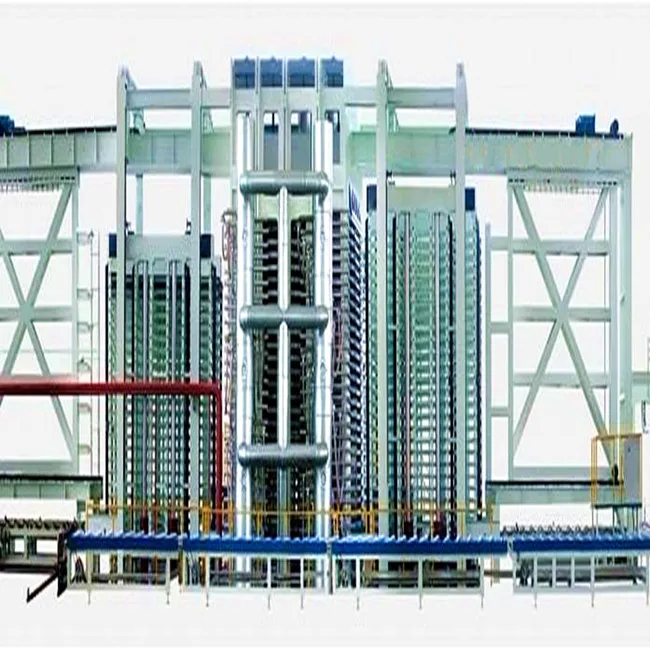
For continuous production, the infeed must also avoid starving the press. If the press waits for material, faster closing speed does not improve real throughput. This is why integrated material handling is central to high-speed laminating automation: it turns individual machine movements into a predictable flow.
2. Surface preparation and layup control
Panel cleanliness, paper condition, and accurate layup affect the result before pressure is applied. An automatic panel laminating machine can coordinate brushing or cleaning stations, paper feed, registration devices, and sensor checks so that the face material reaches the platen consistently. The goal is not merely to remove labor; it is to reduce variation between cycles.
Here is where it gets interesting: many buyers focus on the press itself, but upstream paper and board handling often determines whether automated operation remains stable. Before investing in the impregnation stage, it may look like a simple paper-preparation step. In practice, consistency in the prepared decorative material strongly affects adhesion and surface appearance downstream.
3. Controlled pressing: temperature, pressure, and time
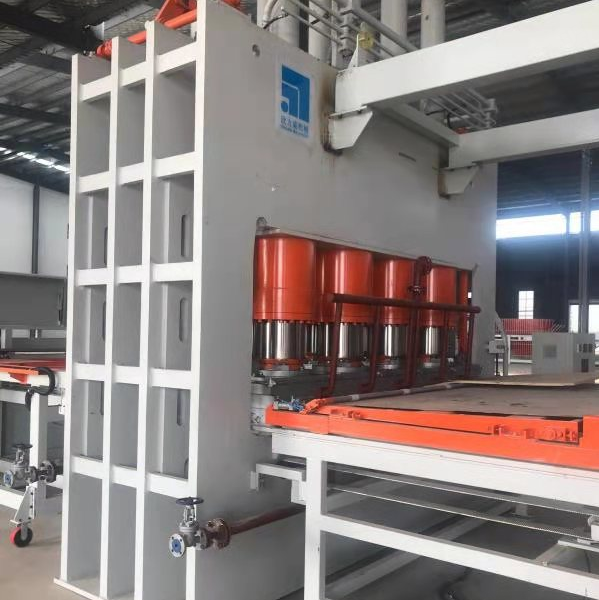
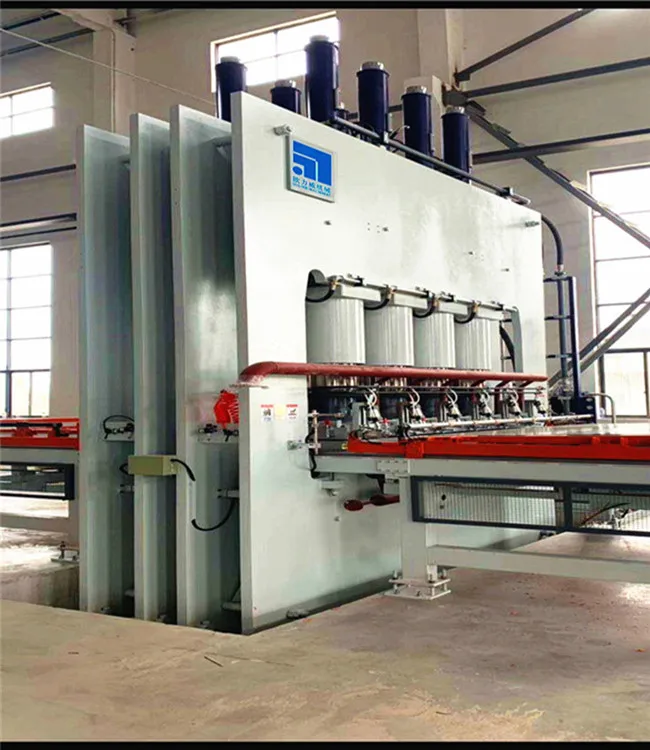
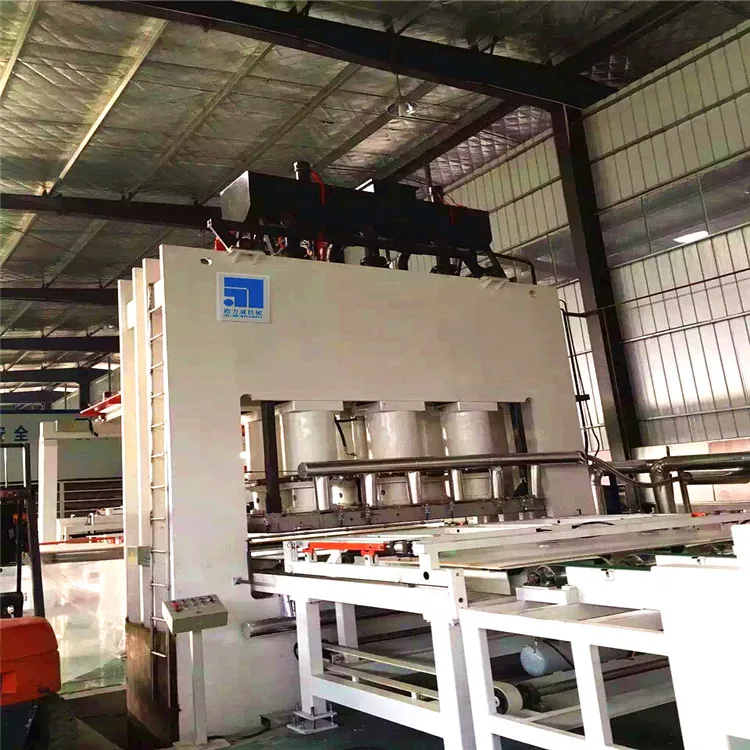
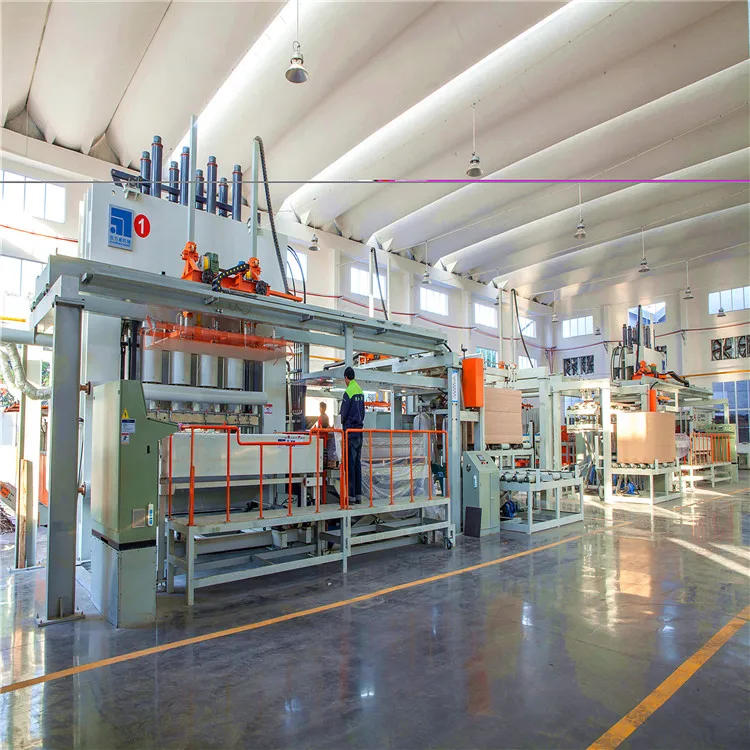
At the center of the line, the automatic panel laminating machine applies a programmed press cycle. Recipes define the intended sequence for closing, pressure build-up, dwell, and opening. The root cause of uneven surface quality is often inconsistent process control rather than the assumption that “more pressure” will solve every problem.
Uniform pressure distribution matters across the full platen, including edges and corners. Independent pressure-zone capability, where specified for the process, can help a line manage board-to-board consistency. Temperature control matters just as much because the decorative surface and board must experience the planned thermal history. An automated recipe system makes these conditions repeatable, while alarms can flag deviations for review instead of leaving them to memory or informal operator judgment.
4. Discharge, inspection, and stacking
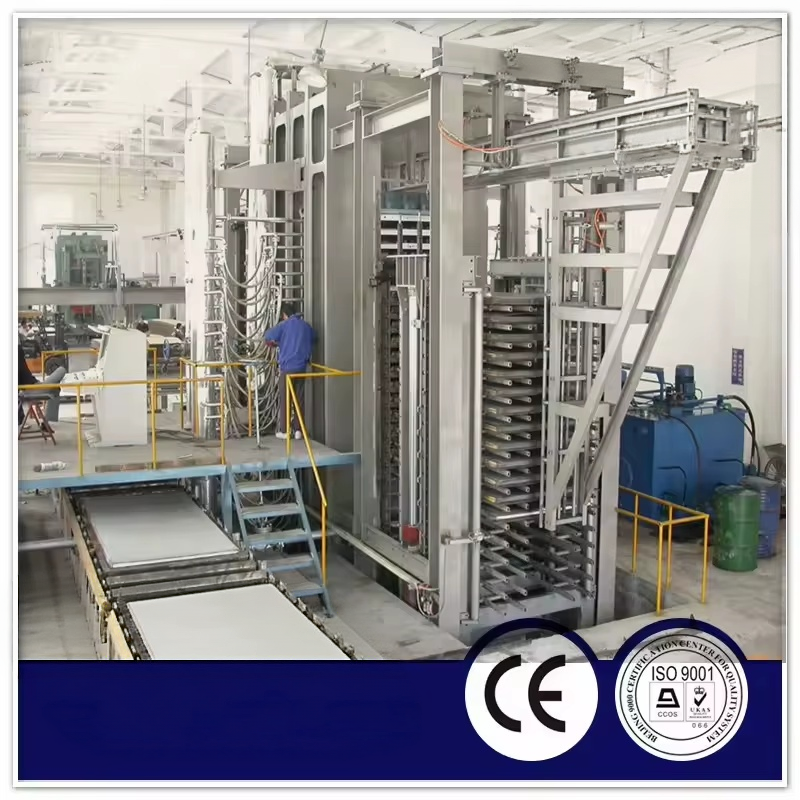
After the cycle, an automatic panel laminating machine transfers the finished panel to a discharge conveyor, cooling or buffer area where applicable, inspection point, and stacker. Sensors can confirm that a board has cleared a station and that the next movement is safe. Automated stacking protects the cycle from the delays and ergonomic burden of manual handling.
Inspection should not disappear simply because transfer is automatic. In practice, the first signal of a heat, alignment, or surface issue may appear at board edges or corners rather than in the center. Defect checks, traceable batch records, and reject-routing rules help the plant contain an issue before it becomes repeated output.
How the control system reduces operator dependence
The control layer is the coordinator of an automatic panel laminating machine. A PLC and HMI typically organize recipes, interlocks, sensor feedback, sequencing, alarms, and operating permissions. The value is consistency: each approved product recipe can call for the same movement order and press logic rather than relying on a different manual routine per shift.
- Recipe management: links approved board and surface combinations to defined cycle settings.
- Sensor feedback: verifies panel presence, position, material status, and safe machine states.
- Alarm management: turns a missing panel, misalignment, or delayed movement into an actionable exception.
- Production records: help supervisors compare planned and actual running conditions without claiming unverified capacity figures.
A fully automatic plywood press machine follows the same principle when handling plywood-related layup or pressing operations: automation is reliable only when upstream loading and downstream discharge can keep pace with the press. The right configuration depends on board format, surface material, desired finish, and the plant’s existing logistics.
Safety is part of unmanned production, not an add-on
An automatic panel laminating machine must be designed so automated motion is separated from people whenever practical. Guard doors, interlocks, emergency-stop circuits, safe access zones, lockout procedures, and restart verification are operational requirements. Automation and robotic material handling increase the need for clear safeguarded areas; they do not remove it.
Operators should be able to replenish consumables, inspect quality, and perform planned maintenance without bypassing safeguards. A line that requires frequent manual intervention to correct jams, paper tracking, or stack instability is not truly ready for unattended cycles. Resolving those root causes is usually more valuable than adding another automatic function.
A practical path to an automated laminating cell
- Map the current cycle. Record where a person touches the panel, paper, press, and stack.
- Stabilize the inputs. Standardize panel size handling, surface preparation, and material presentation before automating movement.
- Define recipes and acceptance checks. Tie each product to controlled settings and observable quality criteria.
- Integrate infeed and outfeed. Size buffers and transfer equipment around the real press rhythm, not an ideal single cycle.
- Build an exception workflow. Specify what stops the line, who can reset it, and what inspection is required after a fault.
- Train for supervision. Move teams toward process monitoring, safe intervention, and preventive maintenance.
Early equipment comparisons often start with purchase price. After a serious interruption caused by slow support or difficult spare-parts coordination, the priority commonly shifts to service readiness and recoverability. When evaluating an automatic panel laminating machine, ask how the supplier will support commissioning, recipes, diagnostics, and the safe return to production after an alarm.
Choosing the right automation scope
The right automatic panel laminating machine is not necessarily the line with the most automated modules. It is the line whose infeed, layup, press, discharge, controls, and safety design fit the actual product mix. Wuxi Ouliwei focuses on melamine lamination equipment, including short-cycle lamination lines, melamine press machines, and related impregnation equipment. That category focus is relevant when a project needs the press and material-flow decisions to be considered together.
For a new line or upgrade, begin with the panels you make, the surface quality you need, the shift pattern you intend to run, and the points where people currently interrupt the cycle. From there, an automatic panel laminating machine can be configured as a controlled production cell rather than a stand-alone press.
Conclusion
An automatic panel laminating machine realizes unmanned production by making routine handling and pressing repeatable while making abnormalities visible and safe to manage. Reliable automation comes from matched material flow, recipe-based control, stable pressure and temperature, automated discharge, and disciplined safety procedures. With that foundation, people can focus on the work that still needs judgment: quality assurance, maintenance, and continuous improvement.
 Hot News