 ×

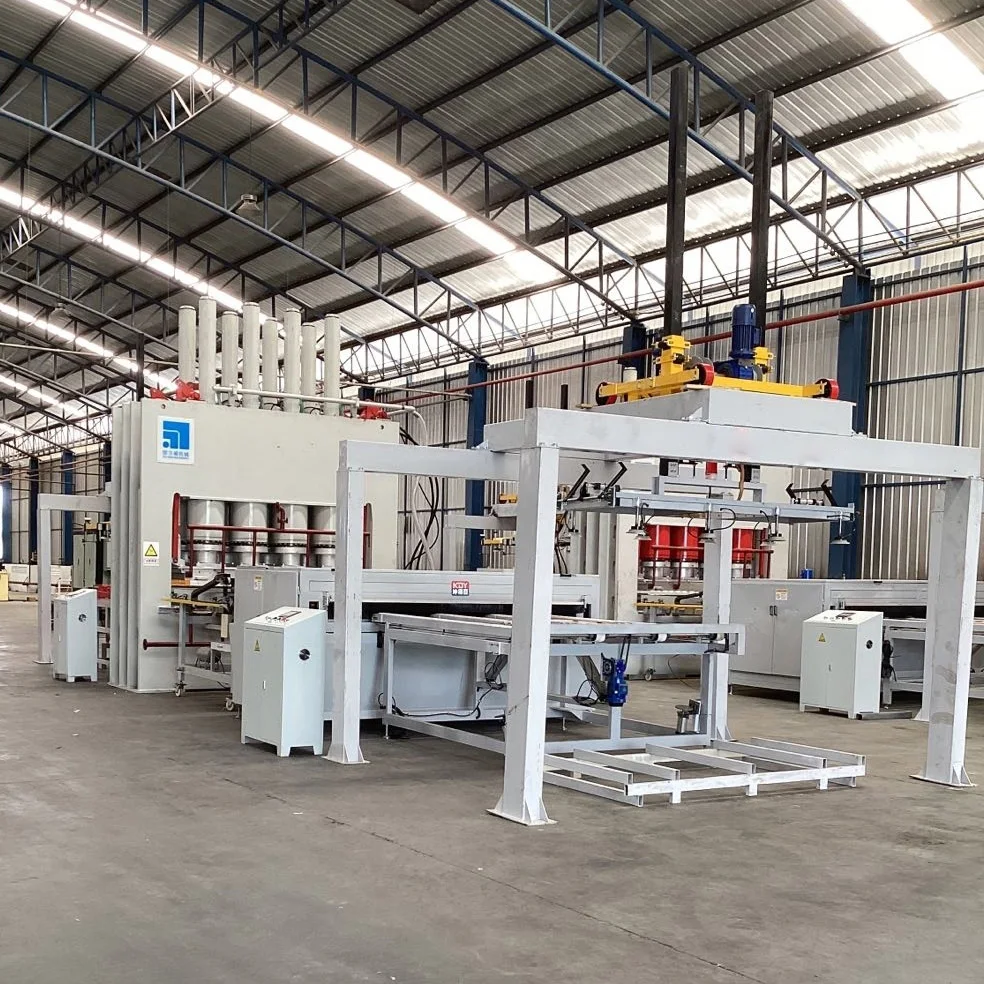
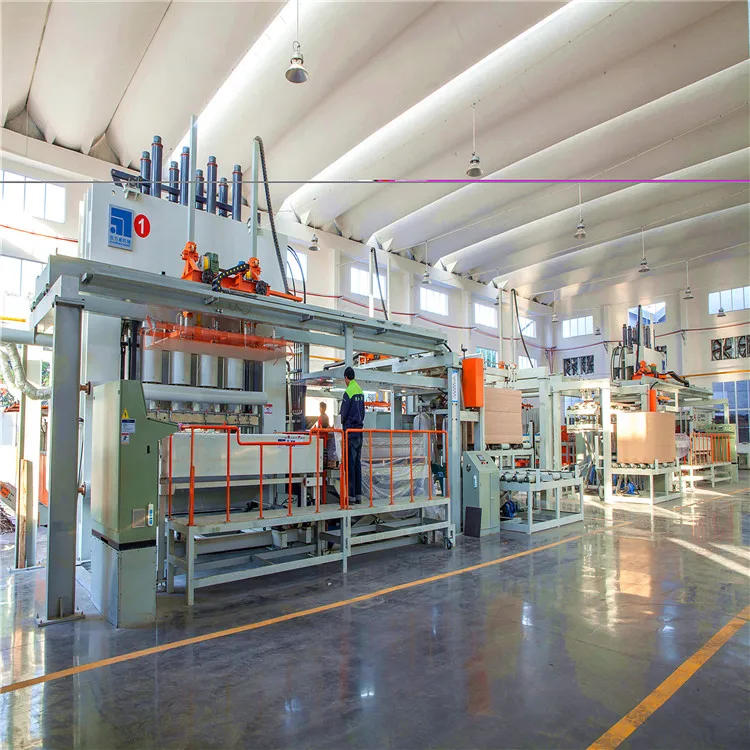
In modern wood-based panel manufacturing, achieving superior surface bonding, structural integrity, and production efficiency requires high-end equipment. As manufacturers scale up operations to meet rigorous global quality standards, selecting the right pressing technology becomes critical. Among various options available in the industrial sector, the hydraulic laminating hot press machine stands out as an indispensable asset. Whether applied in furniture manufacturing, cabinetry, or architectural interior panels, understanding the specific advantages of a hydraulic laminating hot press provides valuable insight for plant managers and procurement specialists optimizing their production lines.
For a broader overview of industrial pressing equipment, manufacturing workflows, and complete plant setups, you can refer to our main
One of the primary challenges in panel lamination is avoiding surface defects such as bubbling, delamination, or uneven adhesive curing. Traditional mechanical or pneumatic presses often suffer from pressure discrepancies across large surface areas.
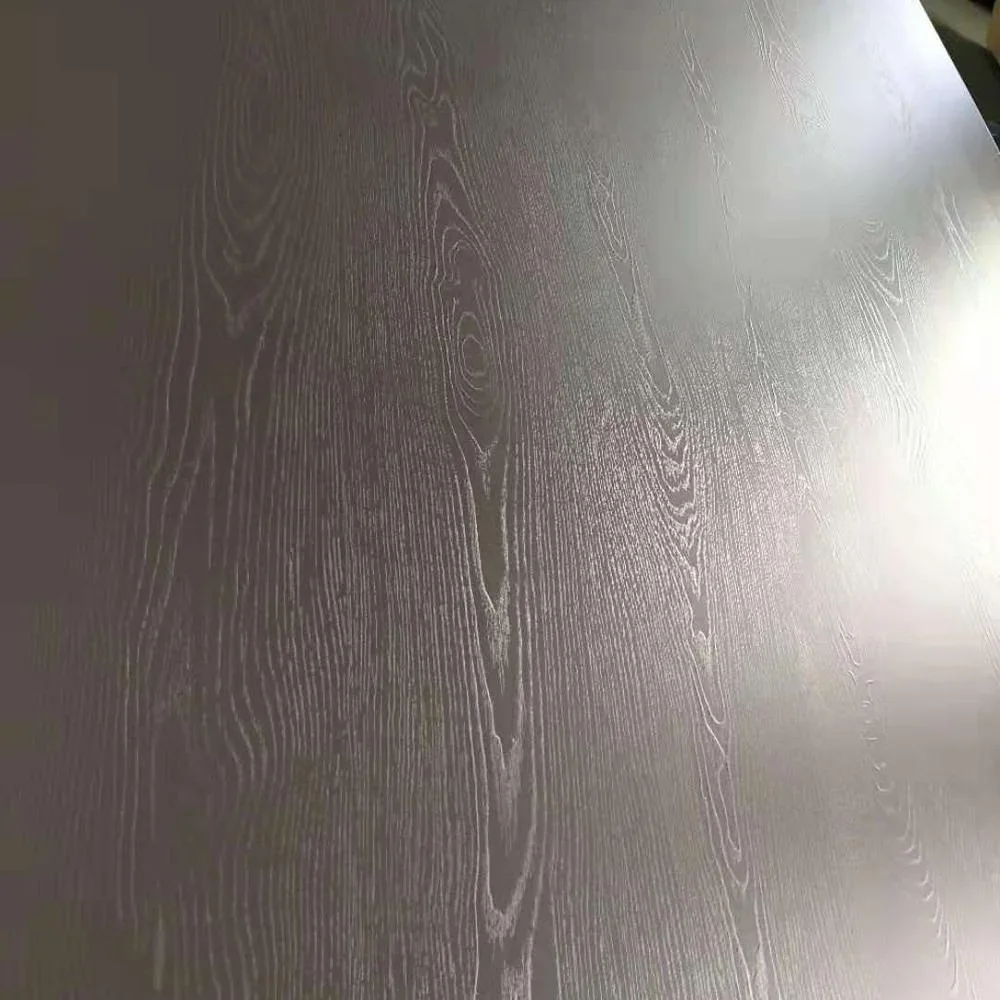
A hydraulic laminating hot press solves this issue by utilizing incompressible fluid mechanics. The hydraulic system guarantees that uniform, high-magnitude pressure is exerted across the entire platen surface simultaneously. When manufacturing decorative panels, particle boards, or medium-density fiberboards (MDF) overlaid with melamine paper or wood veneer, this uniform force ensures:
By maintaining consistent pressure parameters, the hot press machine benefits production facilities by drastically reducing scrap rates and ensuring that every pressed panel meets strict commercial durability benchmarks.
Thermal management is another cornerstone of successful panel fabrication. Resins and adhesives used in lamination—such as urea-formaldehyde (UF), melamine (MUF), or polyvinyl acetate (PVA)—require precise temperature thresholds to cure completely and achieve optimal cross-linking.
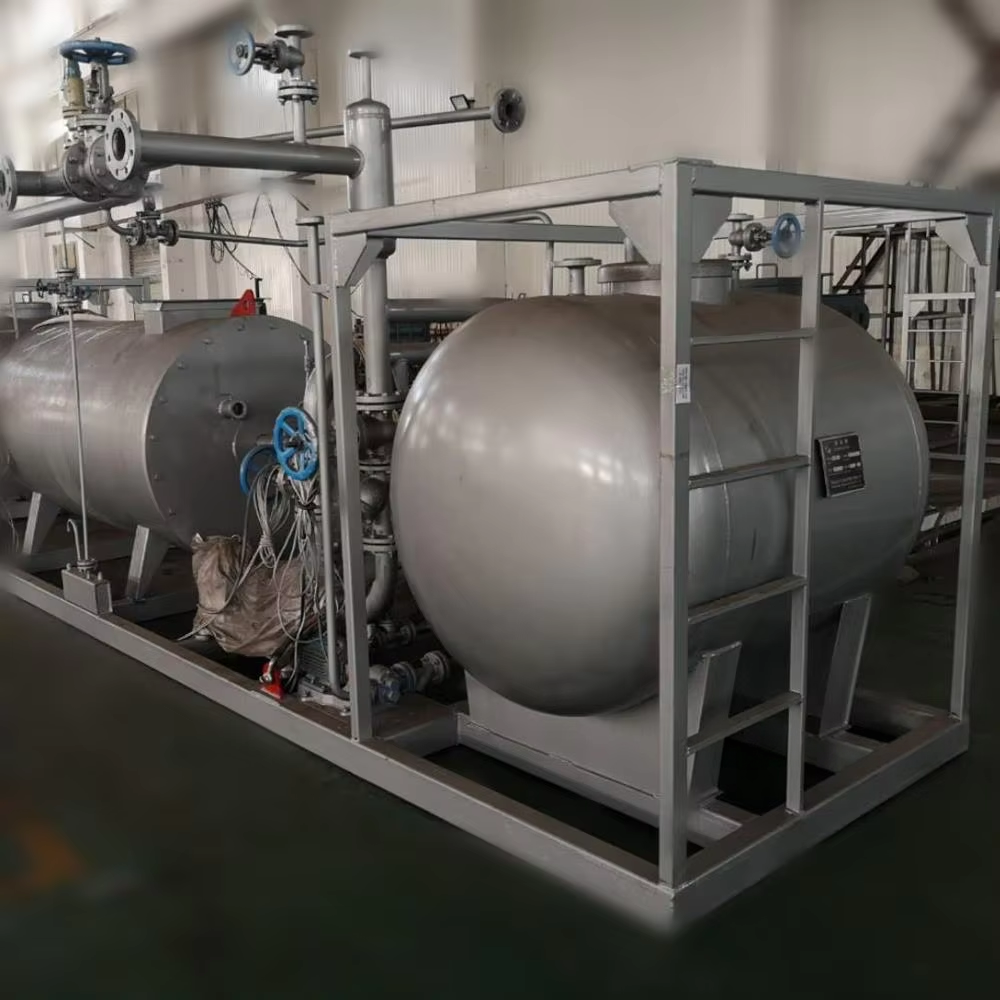
Modern hydraulic laminating hot press machine designs incorporate high-conductivity steel platens heated via thermal oil circulation, steam, or electric elements. This configuration delivers several distinct operational advantages:
To appreciate the distinct performance tier of hydraulic systems, the following table compares key operational parameters across different press technologies commonly found in modern manufacturing plants.
| Performance Metric | Mechanical Screw Press | Pneumatic Air Press | Hydraulic Laminating Hot Press |
| Max Pressure Capacity | Low to Moderate | Moderate | Extremely High (Adjustable) |
| Pressure Uniformity | Poor (prone to edge variance) | Moderate | Excellent (Fluid-driven balance) |
| Temperature Control | Minimal / None | Basic | Advanced Thermal Oil / Steam Regulation |
| Energy Efficiency | Low (mechanical wear) | Moderate (air leakage risk) | High (optimized closed-loop hydraulics) |
| Ideal Production Scale | Small workshops | Medium craft production | Industrial high-throughput manufacturing |
Industrial panel production operates under grueling conditions, often running multi-shift schedules with continuous high-tonnage loading. Equipment longevity is therefore a major factor for plant profitability.
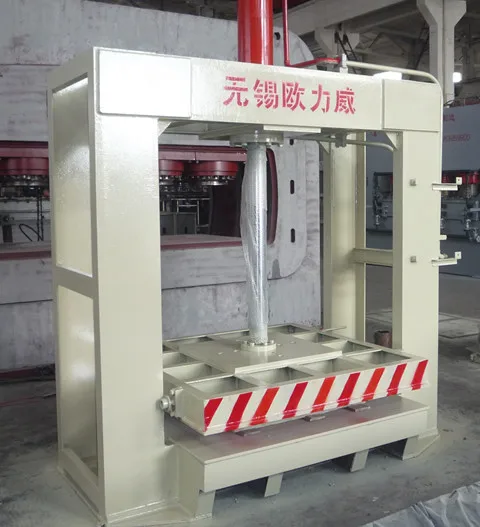
A premium hydraulic laminating hot press features a stress-relieved, heavy-duty welded steel frame engineered to withstand continuous cyclic fatigue without structural deflection. Furthermore, precision-ground hydraulic cylinders and hard-chrome-plated pistons resist wear and prevent fluid leakage over years of operation. This robust engineering minimizes unplanned maintenance downtime, protecting capital investment and ensuring reliable, round-the-clock industrial panel pressing output.
Modern manufacturing plants increasingly rely on automated material handling to reduce labor costs and enhance workplace safety.
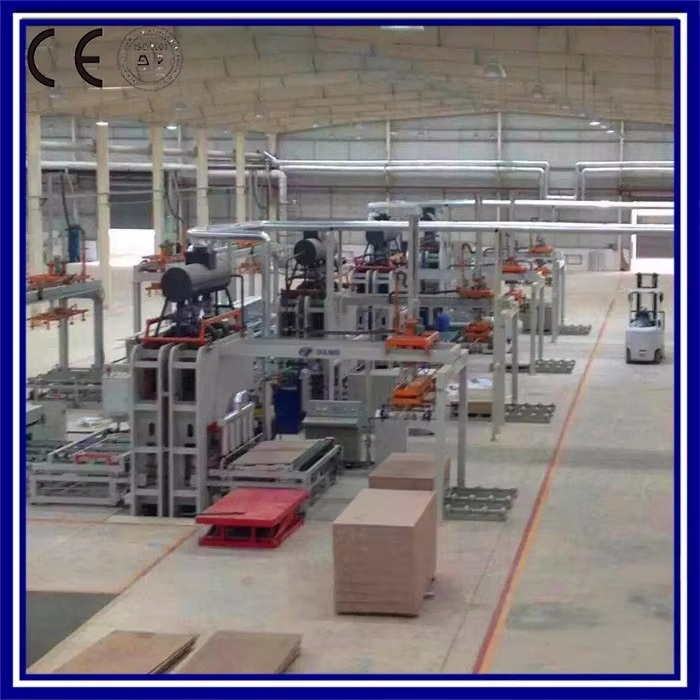
A modern hydraulic laminating hot press machine is fully compatible with automated loading and unloading systems, roller conveyors, and automatic brushing units. Sensors monitor closing speeds, platen alignment, and pressure thresholds in real time. If any anomaly is detected, the PLC control system instantly triggers safety interlocks, protecting operators from pinch points and safeguarding the hydraulic circuits from over-pressurization.
Incorporating a hydraulic laminating hot press machine into a panel production line delivers compounding returns through superior bonding quality, faster cycle times, energy efficiency, and rugged durability. By leveraging advanced fluid mechanics and precise thermal control, manufacturers can consistently produce flawless, high-strength panels that satisfy demanding international markets. For further details on integrating pressing systems into your factory floor, explore our comprehensive resources and expert guides on our primary
 Hot News
2026-07-13
2026-07-11
2026-07-10
2026-11-20
2026-11-16
2026-11-10


 EN